The US has a long history of ‘carrot and stick’ diplomacy, which can be traced back to 1853 with Japan through the notorious ‘Gunboat Diplomacy.’ When US Commodore Matthew Perry sailed his heavily armed ships into Tokyo Bay, the US administration sent a message to the Japanese “Either open the Japanese market to trade with America, or face military wrath.” It was a binary call, which echoes even 250 years later today.
The US policymakers have always been rigid, when it comes to diplomacy or negotiations, whether it’s the pre-world-war or World War era, the Cold War period, or even today. The policy of ‘either us or them’ or ‘friends or foe’ hasn’t changed, rather it evolved as a sophisticated diplomatic and negotiation tool for Washington with some other characteristics related to coercive diplomacy.
During the Cold War, this strategy morphed into sophisticated doctrines of deterrence and containment. Academically, the western security specialist always hailed Deterrence by Retaliation (DbR) from the 1930s and it evolved during the 1960s due to ‘Nuclear Armament’ by both the USA and USSR and the west quickly adopted ‘Massive Retaliation’ (DbR) policy if Washington or its allies’ attacked militarily.
But on the diplomatic front, Washington never gave any space to their adversaries in the first place. Yet, Washington’s diplomatic success has been widely recognized, specifically after the fall of the Soviet Union. Thanks to the unipolar world system; but that isn’t working now.
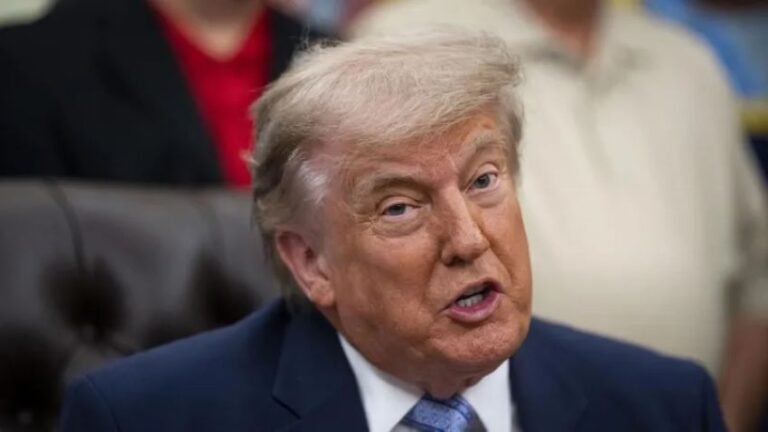
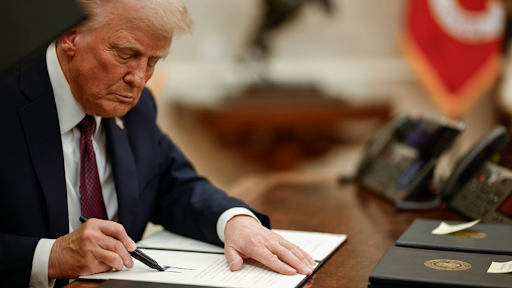
In the past two years under Trump 2.0, Washington has been pushing ‘Carrots and Sticks’ diplomacy, but with a stricter tone. While ‘Carrot and Stick’ specifically reserve a place for ‘reward’ for submission, Washington’s rigid diplomatic stunts make it harder for any parties to only accept ‘stick’ as a reward.
Read More: The MAGA Paradox: Anti War Rhetoric, Pro War Reality in Trump’s Iran Policy
This adoption of a rigid, uncompromising strategy of compellence against its adversaries turned acceptable negotiations into more conflict-prone, hostile situations. From an academic perspective, this shift of diplomatic order can be called coercive diplomacy; in which there’s no reward for adversaries’ acceptance, rather its only push for agreement by intimidation and submission.
Even in coercive diplomacy; there’s always a delicate balance; using the threat of force to persuade an adversary to stop or undo an action while offering a viable off-ramp. But the current Trump administration has been using this to make other parties’ hostage at the negotiation table.
The tariff wars against China, France, India, and others demonstrate a willingness to crush or forcefully ‘agree’ both competitors and traditional allies all together. However, Trump’s Tariff War didn’t work as he planned, and eventually it failed to meet specific goals or objectives.
Financial Times commentator Robert Armstrong classifies this strategy as ‘TACO’ or Trump always chickens out, meaning that Trump’s extreme pressure towards other parties’ is fragile and ultimately, Trump himself had to comply without any agreement.
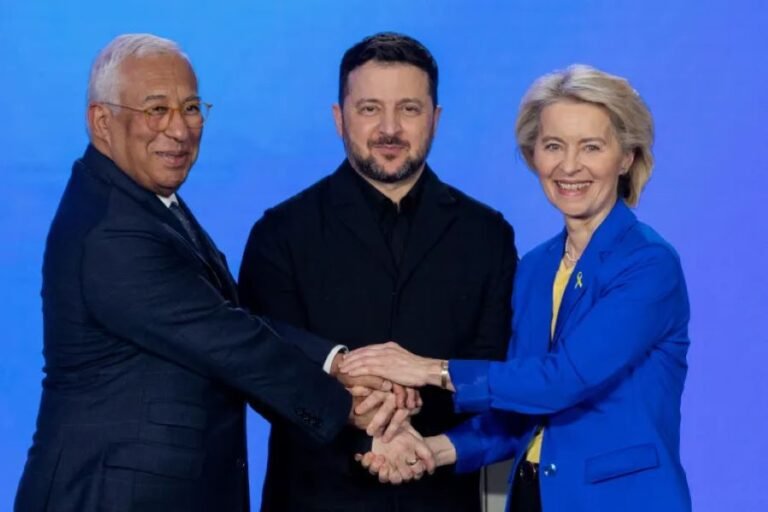
Not only in diplomatic measures, but Washington also violated traditional diplomatic norms too. Last year in March, Trump invited Ukraine’s president Volodymyr Zelensky in the Oval office and humiliated him in front of a live camera. It was a blatant disrespect of another country’s president and his diplomatic gestures that has been practiced for centuries. This was a warning call for many European countries and allies about neo-Royalist behavior of Washington.
But, Trump didn’t end there. He publicly threatened to annex Greenland earlier this year, a sovereign NATO territory controlled by Denmark. This single incident severely damaged the Euro-American relation that has been rock-solid for decades.
Did Trump gain anything from threatening Greenland or NATO countries’ or even the EU in the Tariff war? No. Trump’s logic of threatening everyone didn’t bring any fruits to Washington. Instead, it portrays the US as an unreliable partner and makes Washington isolated in global politics.
However, it seems his administration and advisors may have not learned the lesson yet. As he makes hostile remarks suggesting Canada to be the US’s 51st state, this does not make Trump as a great macho American leader, but as an impulsive and arrogant president without strategic planning.
Read More: President of Peace vs President of War: Separating Truth from Rhetoric
These impulsive speeches and diplomatic coercion reached its peak when Trump abducted Venezuelan President Nicolas Maduro in January. Such a drastic maneuver has sparked a debate among scholars and security experts about whether the US wants to show and use brute force everywhere in every occasion?
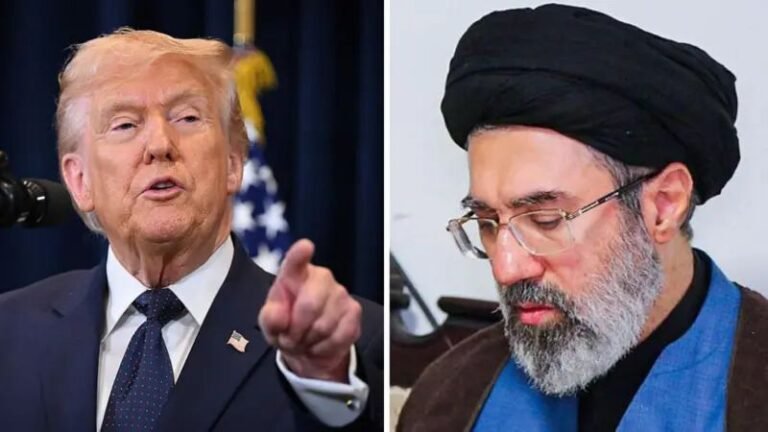
The latest blunder happened on February 28, when US delegates were in a negotiation with Iran, Trump ordered a full-scale air bombardment in Tehran, resulting in the decapitation of Iran’s leadership along with killing the Supreme Leader Ayatollah Khamenei.
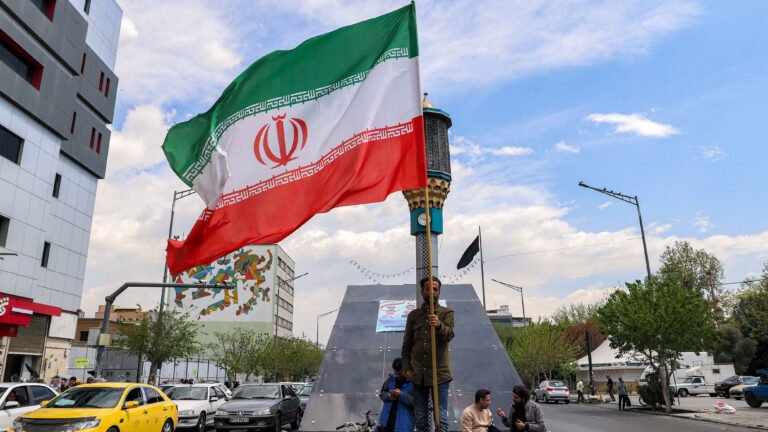
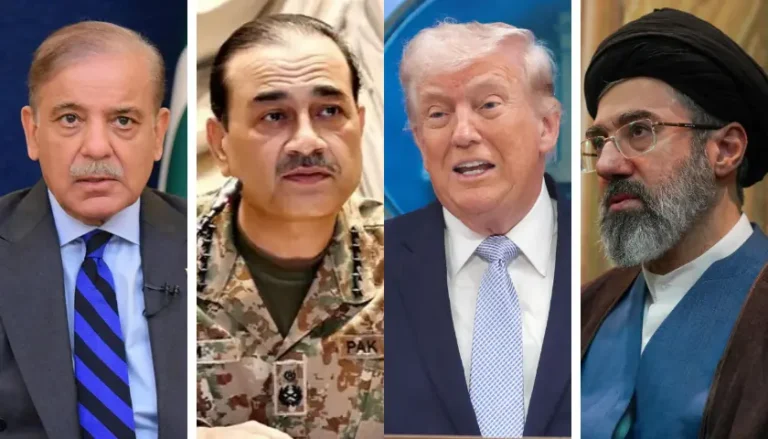
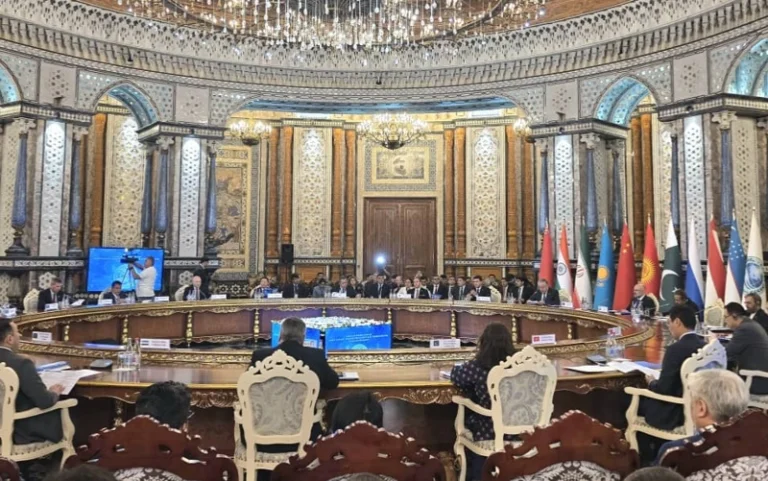
This escalated into a multidimensional conflict in the middle east, engaging with 11 different countries, many of them are disturbed by Trump’s decision to attack Iran. After forty days of intense fighting, Pakistan made an extraordinary effort as a mediator between the USA and Iran, hosting talks between these two countries. But, once again, USA’s rigid diplomatic goal, dominant tendency, and controlling behavior left the ceasefire without any agreement.
Even after 21 hours of extreme negotiations. This shows the world no longer yields to the US’s power projection, rather it confronts. The expectation that overwhelming military pressure would yield a swift diplomatic capitulation and submission proved disastrously misguided. As prominent international relations scholar John J. Mearsheimer aptly points out, “The US wants a government in Iran which will dance by the flute of Washington. And that’s not possible.”
Because, compellence only works with weaker states that will easily bend the knee to overwhelming power, and that’s not a strategy, rather a gamble. Regional powers with deeply rooted militarism in their statecraft and natural defense cannot be bullied into submission.
Unfortunately, adversaries like Iran will not be intimidated by raw military threats or a rigid strategy of compellence. By relying exclusively on the “stick” to warn competitors at the diplomatic table, the United States is inadvertently dismantling its own ability to negotiate. Until the administration recognizes the limits of coercive diplomacy, Washington’s efforts to control and influence global politics will ultimately continue failing over and over again.
*The views presented in this article are the author’s own and do not necessarily reflect the views of The Diplomatic Insight.

Muhammad Irfan Sadik
Muhammad Irfan Sadikis a researcher, currently serves as the Senior Foreign Policy Analyst atYouth Policy Forum - YPF. Sadik holds a M.S.S. and B.S.S. from Department of International Relations at Jahangirnagar University. His research focuses on Intra-State Conflicts, Strategic Studies, International Security Studies, Disarmament and International Arms Control, and Maritime Affairs. He can be reached atrajinsadik110@gmail.com