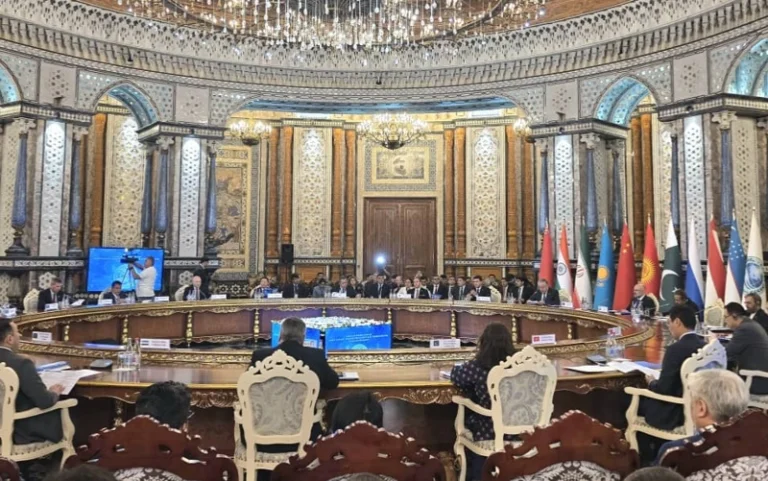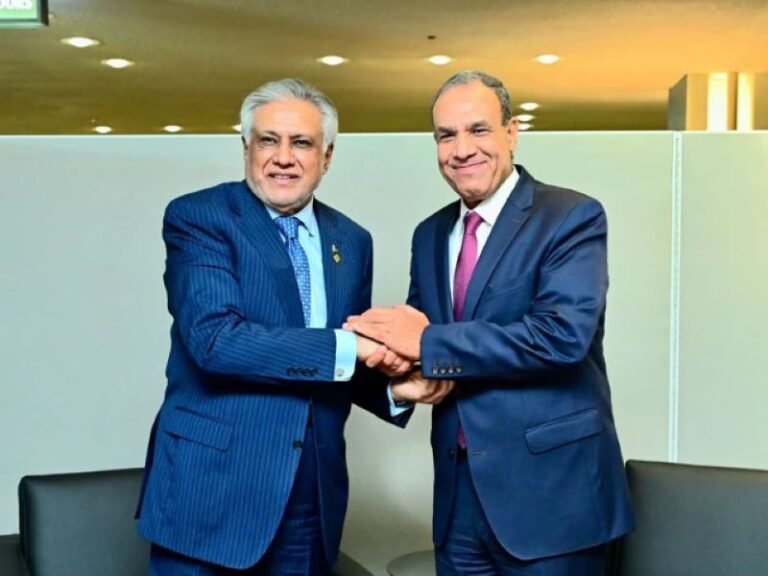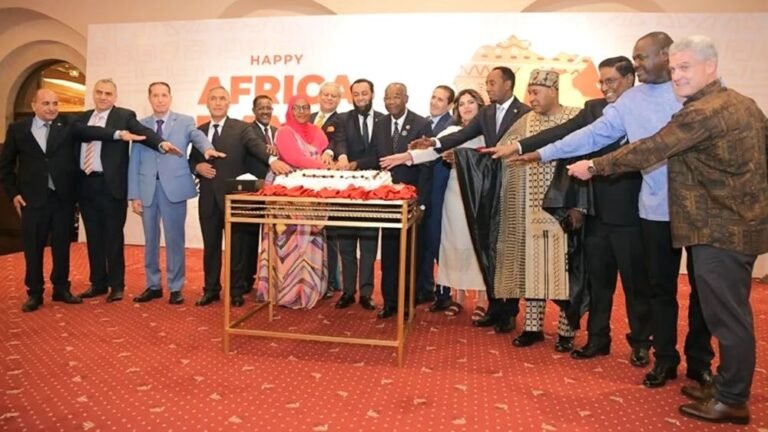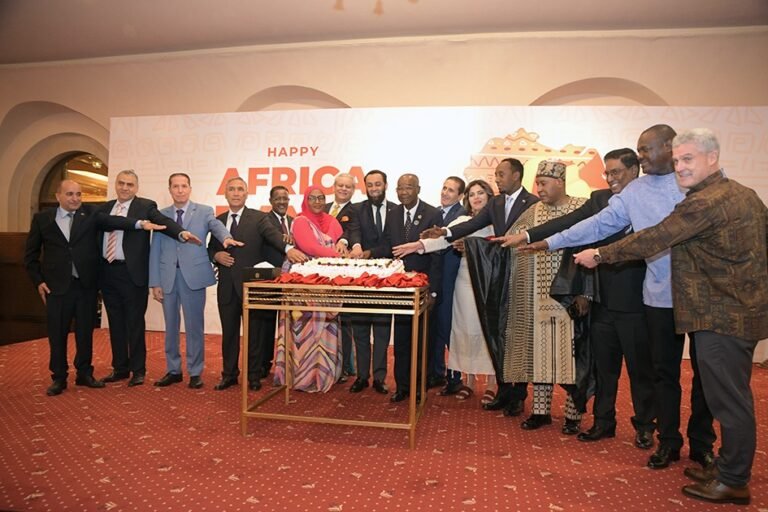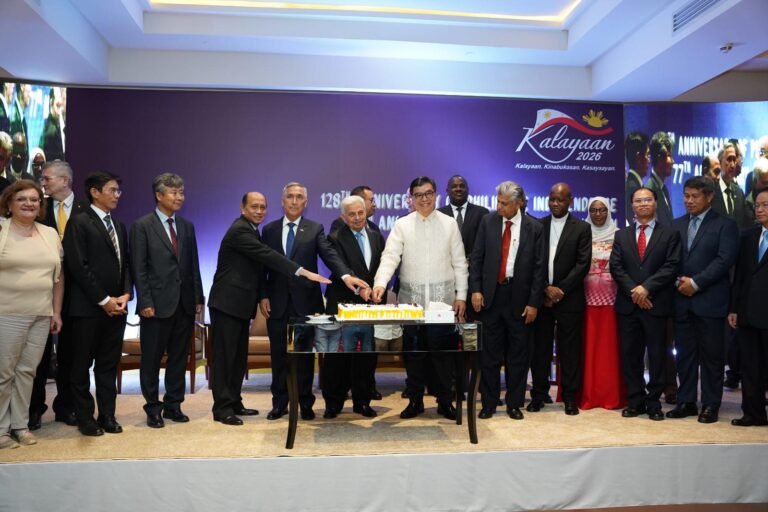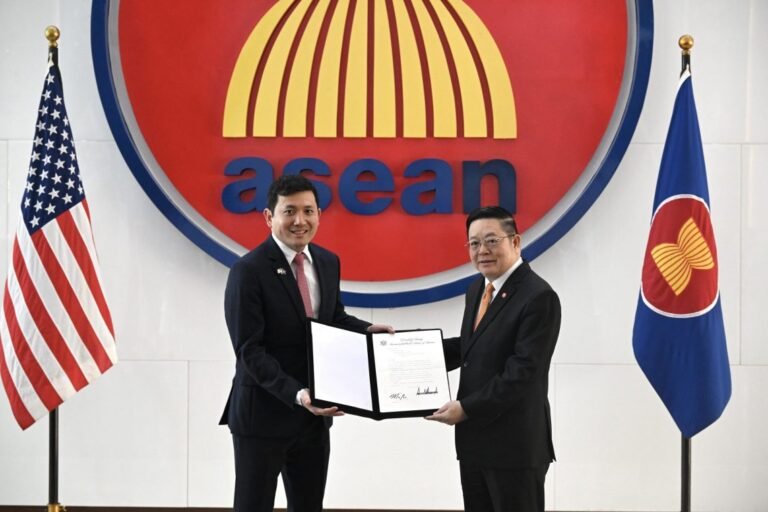
Right now, there is a conversation taking place inside a glass building along the East River in New York that very few people will ever know about. There are no cameras, no viral videos. Just diplomats from nations that often disagree on nearly everything, all sitting in the same room, discussing the wording of a resolution, they may eventually reach an agreement on.
It is not exciting or attention-grabbing. It won’t go viral. But it could, in a quiet way, stop something bad from happening somewhere in the world.
That is what diplomacy really is. It is not the glamorous version you see in movies, with last-minute handshakes and big speeches. It is the slow, tough, and not very exciting work of bringing together countries with different goals to find some agreement so they can work together. Today, April 24, is the day the United Nations sets aside to honor exactly that: working together as a group of nations.
The United Nations General Assembly set April 24 as the International Day of Multilateralism and Diplomacy for Peace in December 2018. This was done to protect the values of multilateralism and international cooperation that are at the core of the UN Charter and the 2030 Agenda for Sustainable Development.
Read More: Diplomacy in the Age of the Timeline
Multilateralism is built on principles like talking things through together, making sure everyone is included, and supporting each other. It makes sure that all groups have the same rights and responsibilities, which helps cooperation be both lasting and effective.
In simple words, it means believing that the world’s problems are too big for any single country to handle on its own. Even the smallest countries have a say in global decisions. A tiny island nation dealing with rising sea levels sits side by side with the country whose actions are causing those sea levels to rise in the same General Assembly.
This imbalance can really upset powerful countries at times. But that’s exactly what multilateralism is supposed to address.
What Diplomacy Has Actually Delivered
It is easy to overlook what international organizations have achieved, so it is important to clearly say this: the multilateral system has done a lot. It wiped out smallpox through a global vaccination effort that worked even during the Cold War’s divisions. It created the Montreal Protocol, which stopped the ozone layer from being damaged. It set up the Geneva Conventions. It built systems that cut down on trade wars, which had played a big role in the Great Depression.
More recently, the Paris Agreement got almost every country to work together on climate change. Even though the WHO faced a lot of criticism during the pandemic, it helped make the fastest vaccine development in history. The UN and its multilateral system are saving lives every day.
None of this happened because countries suddenly became selfless. It happened because they realized that working together was better for their own interests. That is not a feel-good story. It’s a realistic one.
This blog would be dishonest if it did not address the current situation honestly. The global system that relies on cooperation between many countries is under more pressure than it has been in decades, and the facts are hard to ignore. The UN Security Council has been stuck on the issue of Ukraine, with Russia, a permanent member, blocking every resolution about the war it is fighting.
Read More: Pakistan’s Ceasefire Diplomacy and the Islamabad Talks
In Gaza, attempts to get a ceasefire have been stopped again and again, making the UN’s main body unable to act in one of the biggest humanitarian crises in recent times. The US, which is the biggest supporter of the UN, has stopped or frozen a lot of money for the organization and its agencies, which has seriously damaged aid efforts. It has also walked away from many international agreements.
When it comes to trade, both the US and China are breaking the rules set by the WTO. They are using high tariffs, big government support for industries, and trading back and forth with punishments. In 2025, there are plans for big tariff changes that could push aside the global trade rules in favor of deals between just two countries.
Even the UN Secretary-General, António Guterres, has said that people are starting to lose trust in working together internationally.
The World Economic Forum’s Global Risks Report 2026 warns that there is a big gap in how the world is governed, as concerns about weakening international cooperation grow. World Economic Forum None of this is easy to talk about on a day that is meant to honor working together globally. But it would be even worse to ignore these facts.
Why the Answer Is Still More Diplomacy, Not Less
What critics of multilateralism often overlook is that its shortcomings aren’t proof that unilateralism is better. Instead, they highlight the need for improved multilateralism. When the Security Council fails to act, the solution is not for powerful countries to take action without oversight.
History has already shown that this approach leads to major conflicts, like the two World Wars. What’s different now is not just occasional violations of multilateral rules but a deliberate weakening of the entire system. Reform has become a way of talking about stepping back. The Global Observatory. This is a big deal because tearing down the system entirely leaves smaller countries with no one to turn to.
The real challenges of this century, climate change, pandemic preparedness, nuclear proliferation, AI governance, and forced displacement have one thing in common: no single nation can solve them alone, and the risks of failing to act affect everyone. A country can leave a climate deal, but it can not escape the climate itself. Even when traditional multilateral organizations are struggling, cooperation is still happening through other means.
The Abraham Accords, despite their limits, showed that even countries with long-standing conflicts can find ways to work together. Groups like the QUAD, the G20, and various regional alliances are filling the gaps where global institutions are stuck. This shows that cooperation is like water; if it is blocked, it finds another way, because cooperation is essential, not just a nice-to-have.
There is a purpose behind this day. It’s not just about celebrating organizations. It’s about honoring the people who work inside them, those who negotiate, mediate, and represent, dedicating their careers to helping even the most opposing sides find common ground. Their efforts rarely make headlines because they usually work quietly and successfully.
Today, is a choice is not between a broken global system and a perfect replacement ready to take its place. Diplomacy and the multilateral system were made for exactly these kinds of moments. We need to bring back a spirit of global teamwork to rebuild trust, mend differences, and guide humanity toward peace.
Somewhere right now, a diplomat is on a call, trying to keep a conversation alive that others have already given up on. That call deserves recognition.

Hafiza Manzoor
Hafiza Manzoor is a work in progress. She has a curiosity to understand the world and improving herself along the way. She can be reached at hafizamanzoor44@gmail.com