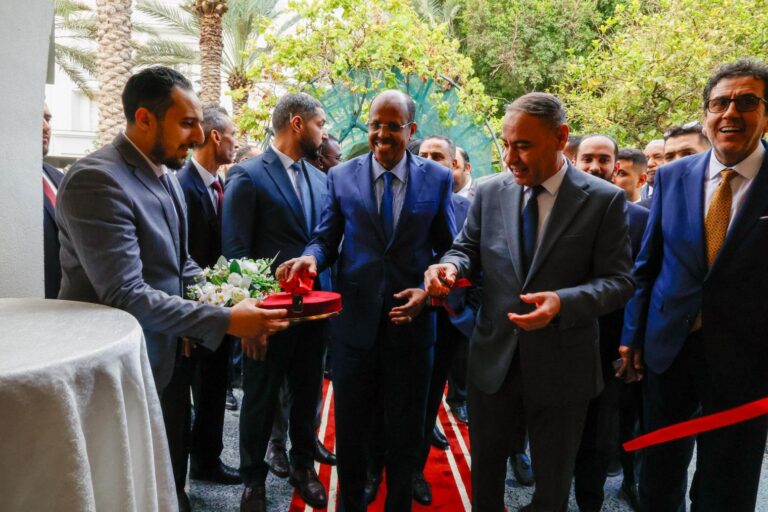
Two gatherings held within days of each other this week underscored a renewed regional drive to get more women into positions of power across West Africa.
ECOWAS and its partners rolled out both technical support structures and a political declaration aimed at closing one of the world’s widest gender gaps in political representation.
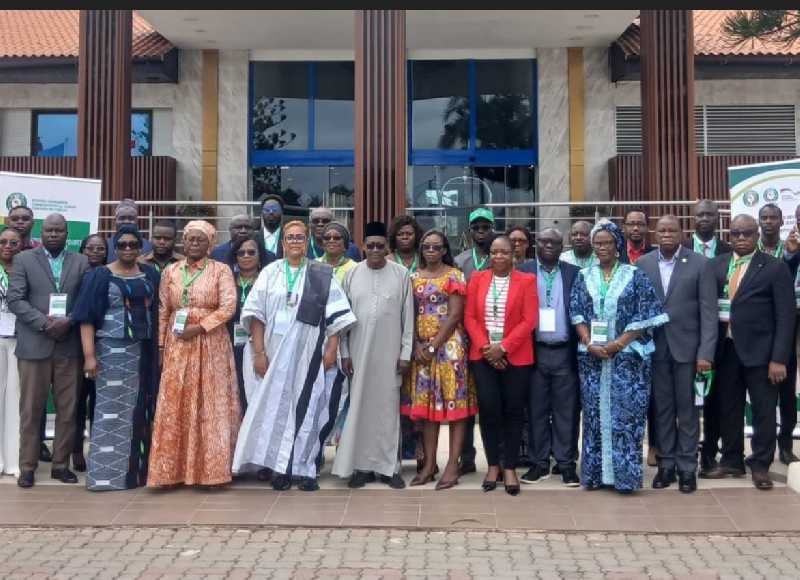
In Accra, the ECOWAS Gender Development Centre held its 2026 Annual Briefing with gender focal persons from member states, reviewing four years of work and mapping out priorities through 2030.
Ambassador Mohammed Lawan Gana, ECOWAS Resident Representative in Ghana, said the meeting aimed to strengthen collaboration among member states, build the capacity of national gender focal persons and introduce a new ECOWAS Gender Observatory to improve regional gender data.
Read More: ECOWAS Pledges Support for Vulnerable Communities
While he pointed to gains in women’s leadership, education and entrepreneurship, he also flagged persistent inequalities, weak coordination and inadequate financing as continuing obstacles.
Ghana’s Minister of Gender, Children and Social Protection, Dr. Agnes Naa Momo Lartey, used the occasion to spotlight domestic progress, including the country’s Affirmative Action Act, which sets phased targets of 30 percent female representation by 2026, rising to full parity by 2034, alongside a new National Gender Policy and the recently established Women’s Development Bank.
GIZ’s Valerie Arikpo-Ettah reaffirmed the German development agency’s continued backing for ECOWAS on gender, peace and governance programming.
The Accra session came just days after a far more consequential milestone in Abuja, where ministers, parliamentarians and civil society leaders adopted the Abuja Regional Action Agenda on July 31.
Women currently hold just 18.4 percent of parliamentary seats across West Africa, the lowest share of any region on the continent, with even weaker representation in executive posts and party leadership.
Read More: West African Economic Bloc Leaders Back $25B Nigeria-Morocco Gas Pipeline
The nine-point Abuja agenda commits countries to translating the parity pledge into national law with measurable targets, tackling the high cost of campaigning that disadvantages women candidates, guaranteeing women’s safety from political violence, and building cross-party networks of women leaders, among other measures.
ECOWAS Commission Vice President Damtien Tchintchibidja called the declaration a lasting legacy of the bloc’s 50th anniversary, while Nigeria’s women’s affairs minister, Imaan Sulaiman-Ibrahim, argued that excluding women from governance leaves nations “underperforming.”
UNDP, which co-convened the Abuja forum with the African Union and the African Women Leaders Network, is backing the effort through its Africa Facility for Women in Political Leadership.
The initiative’s flagship training program, the African Academy for Women in Political Leadership, launches in Kigali from August 3-7.