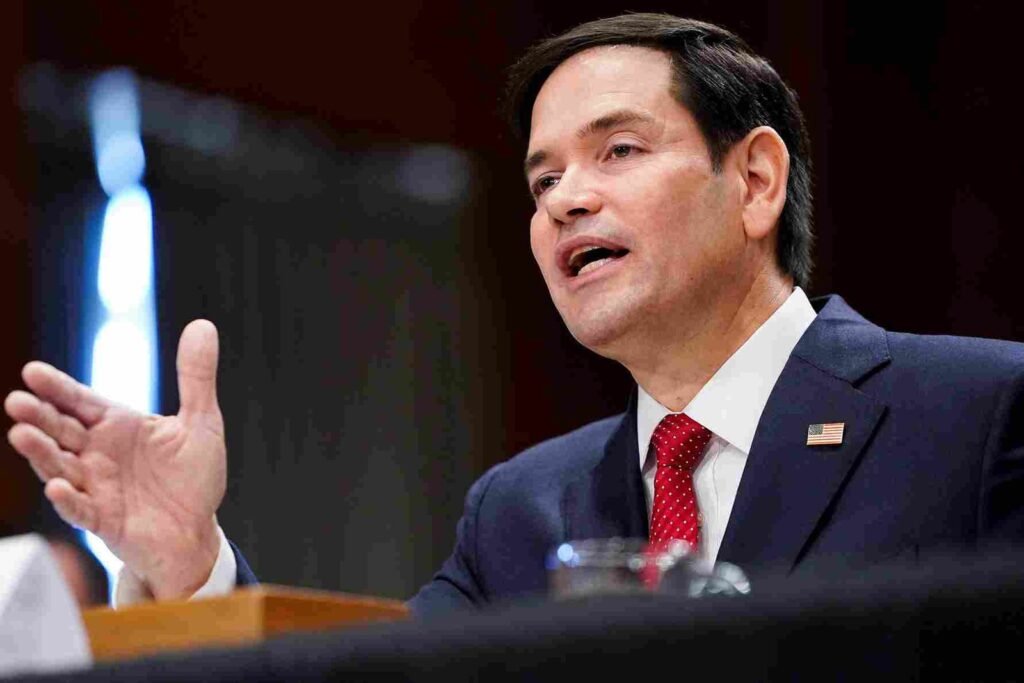
Washington (TDI): Diplomatic efforts led by Pakistan to facilitate a possible US-Iran agreement have continued, as US Secretary of State Marco Rubio expressed cautious optimism about prospects for progress toward ending the conflict.
Rubio said there were “some good signs” emerging from ongoing contacts, while warning against excessive optimism as negotiations between Washington and Tehran remain difficult.
“I don’t want to be overly optimistic… let’s see what happens over the next few days,” he told reporters.
He also reiterated criticism of NATO allies for not providing stronger support to the US position on Iran, saying Washington expected broader international backing even without direct military involvement.
Meanwhile, Pakistan’s Interior Minister Mohsin Naqvi has continued his engagement with Iranian leadership, holding meetings with Foreign Minister Abbas Araghchi and Interior Minister Eskandar Momeni in Tehran as part of efforts to maintain communication channels and prevent diplomatic breakdown.
Rubio acknowledged Pakistan’s role in the process, stating that Pakistani officials were expected to visit Tehran as part of ongoing mediation efforts aimed at advancing talks.
Read More: ASEAN Leaders Meet to Discuss Iran War Impact on Energy and Economy
Reports also suggested that a high-level Pakistani figure could travel to Iran to build on progress made in recent engagements, although no official confirmation was issued regarding the schedule of the Chief of Defense Forces, Field Marshal Asim Munir.
Discussions have now reportedly moved into detailed negotiations over an interim framework, focusing on issues such as uranium handling, sanctions relief, maritime security arrangements, and guarantees against renewed hostilities.
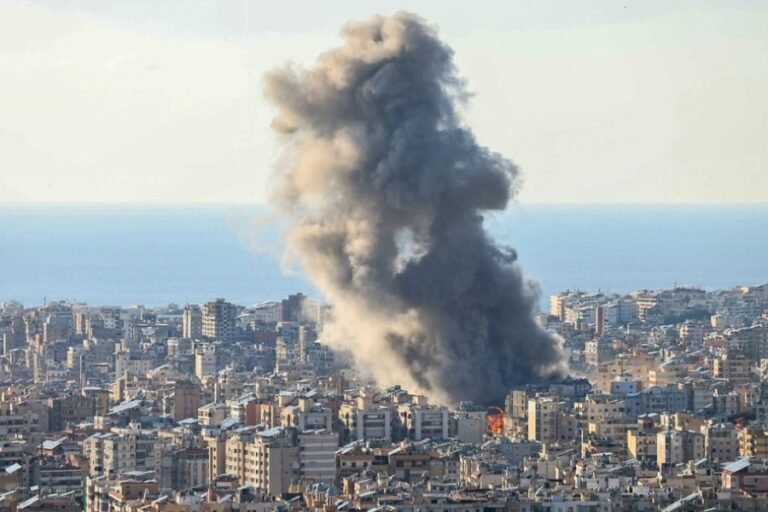
Officials familiar with the talks described the process as entering a critical stage, with concerns that any breakdown could risk a return to military escalation in the region.
A key sticking point remains the Strait of Hormuz, where Iran has proposed new oversight and management mechanisms that the United States strongly opposes.
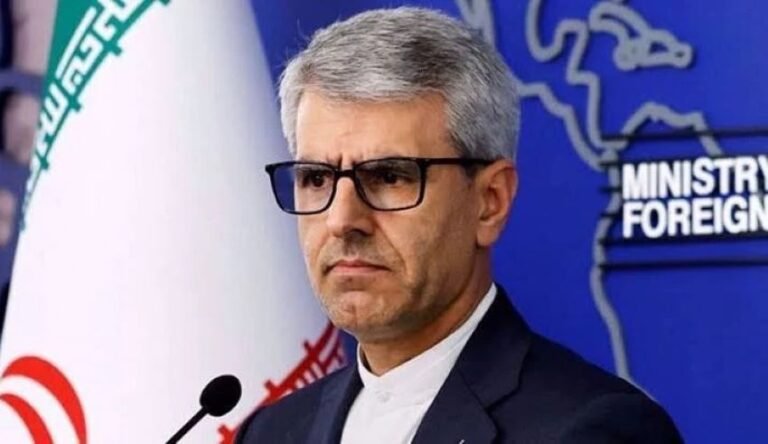
Iranian state media quoted Foreign Ministry spokesperson Esmaeil Baghaei as saying that Washington’s latest proposals are under review, with both sides exchanging messages through Pakistani mediation channels based on a broader Iranian framework.
Read More: Naqvi Meets Iranian Civil, Military Leadership Amid US-Iran Deadlock
Diplomatic discussions are reportedly aimed at developing a limited stabilisation arrangement that could extend the current ceasefire and allow space for further negotiations over the coming weeks.
However, the future of maritime access through the Strait of Hormuz remains one of the most sensitive issues, with the US insisting on unrestricted passage while rejecting any Iranian-controlled tolling or regulatory system.
Rubio warned that a durable agreement would be difficult if Tehran proceeds with plans to impose new oversight mechanisms in the waterway, which is a critical route for global energy supplies.
Tensions have also risen after Iran announced a new “management and supervisory zone” covering parts of the Strait of Hormuz, including areas near Emirati waters, drawing strong objections from the United Arab Emirates.
An Emirati presidential adviser rejected the move, calling any attempt to alter maritime sovereignty in the region unacceptable and describing it as unrealistic in light of existing international law.
As negotiations continue, diplomats warn that the outcome of discussions in the coming days could determine whether the situation stabilizes or slides back toward confrontation, with global energy markets closely watching developments.