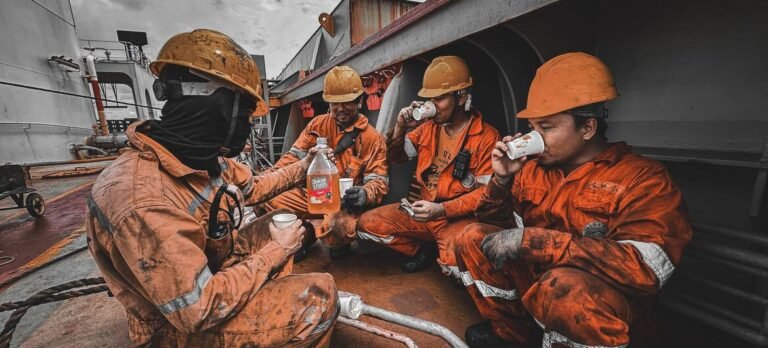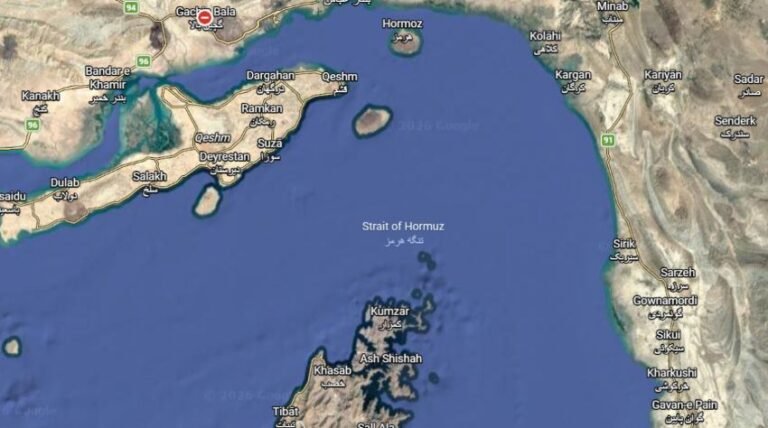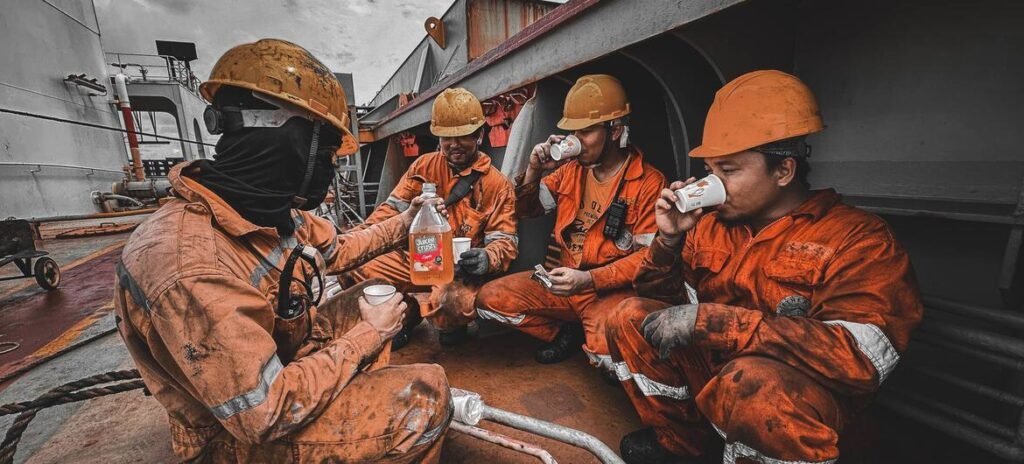
London (TDI): The United Nations International Maritime Organization has warned that 20,000 seafarers remain stranded on approximately 2,000 ships in the Strait of Hormuz as the Middle East conflict enters its fifth week.
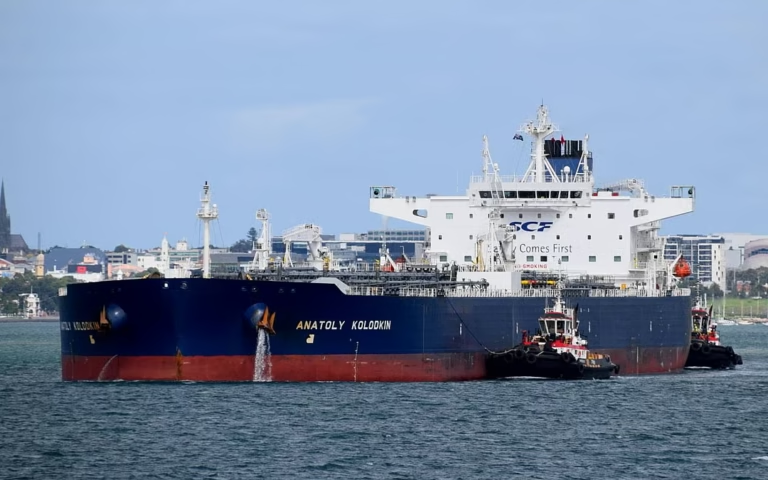
The vessels include oil and gas tankers, bulk carriers, cargo ships and six tourist cruise liners. They are trapped in the Persian Gulf and cannot pass through the narrow strait due to ongoing hostilities.
IMO Maritime Safety Division Director Damien Chevallier said, “There is no precedent for the stranding of so many seafarers in the modern age”. He called on all parties to de-escalate attacks so the crews can be evacuated to safety.
Since the conflict began a month ago on 28 February 2026, 19 attacks on vessels in the Strait of Hormuz have been reported. Ten seafarers have been killed and eight injured.
The seafarers have been working in an active war zone for weeks, facing severe psychological stress. Many have completed their contracts but cannot be repatriated.
The International Transport Workers’ Federation has received more than 1,000 emails from crew members voicing concern about onboard conditions and requesting urgent repatriation.
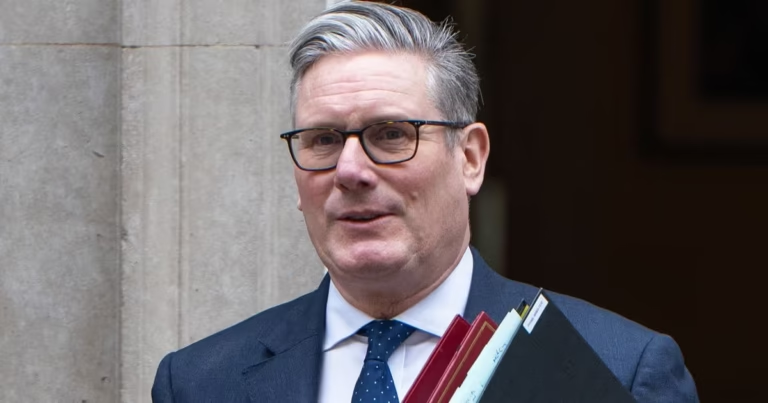
Read More: Starmer Announces Multilateral Talks on Reopening Strait of Hormuz
Ships are being resupplied with food, water and fuel from Saudi Arabia and Oman while they move around the Gulf in search of secure locations.
Iran has stated it will only allow passage to “non-hostile” ships. Prior to the conflict, around 150 vessels passed through the strait daily. Now only four or five do so. Two Chinese-flagged cargo ships recently completed the journey into safer waters.
The IMO is engaging with all parties to secure safe passage and evacuation. It has asked Iran for clarification on what constitutes a “hostile” ship. The organization continues to work with regional countries to support the stranded crews and prevent further loss of life.
The Strait of Hormuz is a critical shipping route for 20 per cent of the world’s oil and gas supplies. An internationally agreed two-way ship traffic separation scheme has been in place since 1968.
The current situation has created unprecedented challenges for global shipping and seafarer safety. The IMO, as the UN specialized agency responsible for the safety and security of international shipping, is focused on ensuring the well-being of the affected crews and restoring safe navigation in the region.
The development highlights the severe humanitarian impact of the conflict on civilian maritime workers who play a vital role in global trade.