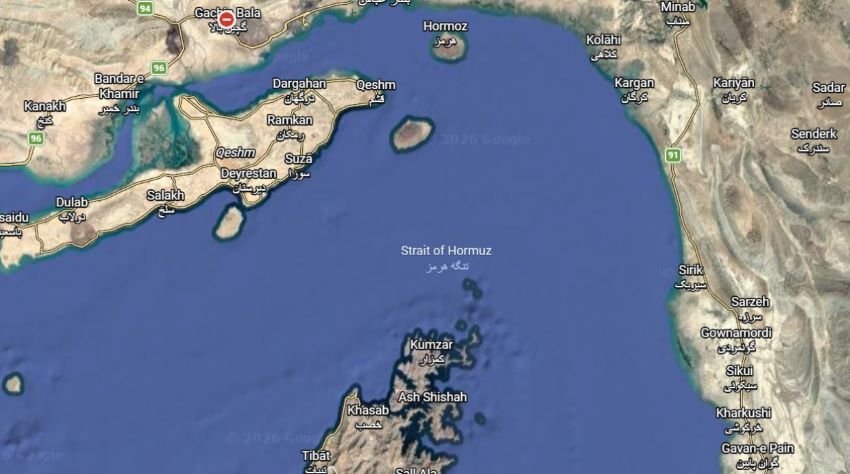
Dubai (TDI): The United Arab Emirates is preparing to back US-led efforts to reopen the Strait of Hormuz by force, according to a report by The Wall Street Journal, citing Arab officials.
The report suggests that the UAE is pushing for a United Nations Security Council resolution that could authorise military action, while also encouraging the formation of a broader international coalition involving the United States, European, and Asian partners to secure the vital shipping route. The Gulf state is said to be assessing potential roles, including participation in mine-clearing operations, which could mark its direct involvement in the conflict.
In an official statement, the UAE emphasized the importance of maintaining freedom of navigation through the Strait, noting that disruptions have drawn widespread international concern.
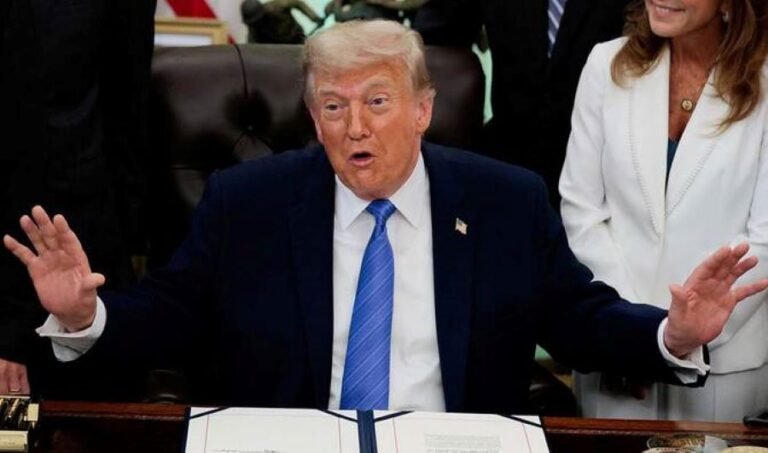
Meanwhile, US President Donald Trump has intensified criticism of NATO, even suggesting that Washington could reconsider its membership in the alliance. Speaking to British media, he questioned NATO’s effectiveness and accused member states of failing to support US operations, particularly in the Middle East.
Trump’s remarks come amid growing frustration within his administration over limited European involvement in the conflict. He argued that US support for allies has often been automatic, while reciprocal assistance has not always been forthcoming.
US Secretary of State Marco Rubio echoed these concerns, indicating that Washington may reassess its relationship with the NATO after the conflict. However, he also signalled that the war with Iran could be approaching a conclusion, noting that the US can “see the finish line,” even if it is not immediate.
Read More: Trump Seeks End to Iran War Without Insisting on Strait of Hormuz Reopening
Rubio confirmed that indirect communication between Washington and Iran is ongoing, with the possibility of direct talks in the future. Similarly, President Trump suggested that US military operations could wind down within weeks, even without a formal agreement.
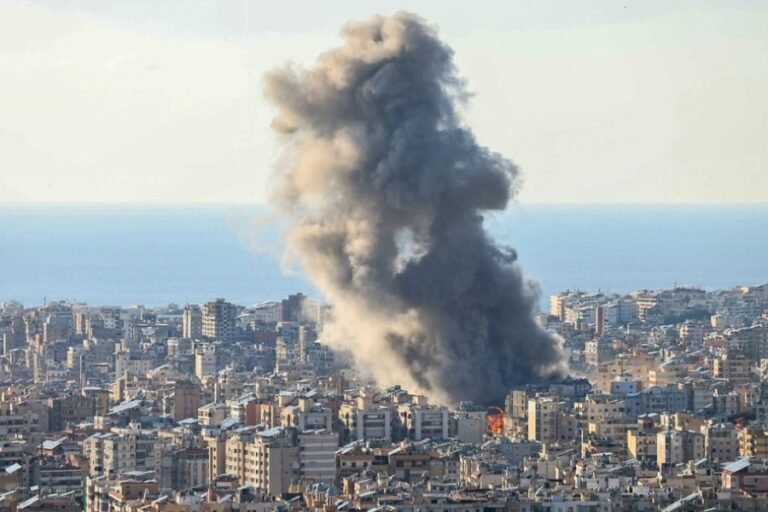
Despite these diplomatic signals, hostilities continue across the region. Air and missile strikes have been reported in multiple locations, including Tehran and Israeli urban centres. Key infrastructure has been targeted, while clashes have also extended to Lebanon and Gulf states.
Attacks on energy and maritime assets have further escalated tensions. Incidents involving oil tankers near Doha, as well as fires reported in Bahrain and Kuwait, have raised concerns about the safety of critical supply routes.
Read More: Strait of Hormuz Crisis Puts Iran–China Partnership in Focus
The conflict, which began in late February, has resulted in significant casualties, mass displacement, and major disruptions to global energy markets. Oil prices have surged, contributing to economic pressures worldwide and creating political challenges within the United States ahead of upcoming elections.
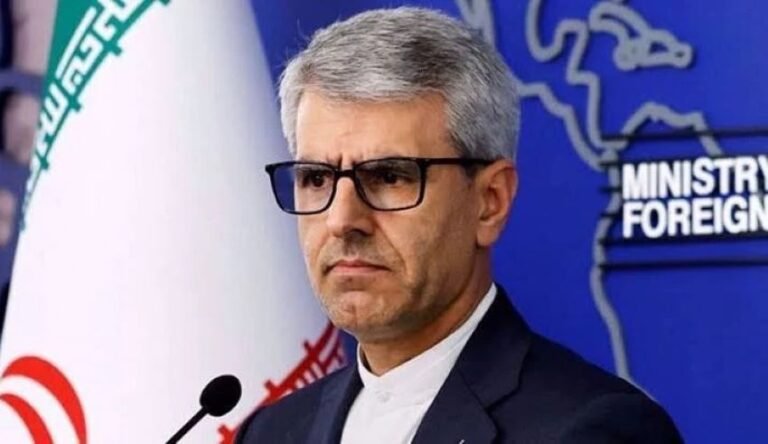
On the diplomatic front, Iranian officials maintain that their actions are defensive, rejecting US claims and accusing Washington of escalating the conflict. Tehran has also signalled openness to communication through intermediaries but insists that any resolution must begin with an end to hostilities.