On the first day of studying International Relations, our teacher said something that stayed with me. He said many people enter this field believing it is about peace, cooperation, and the idea of making the world a better place. But international political reality, he added, is not that romantic; it is mostly cruel instead. States do not act out of kindness, they act out of survival.
At that time, it sounded skeptical and confusing. Today, it sounded like the most accurate introduction anyone could give to this discipline.
International politics is not unlike a high-stakes game, where the rules are written by the powerful and rewritten when necessary. Morality is often discussed, treaties are signed, and grand speeches are delivered about global order and peace. But when the power feels threatened, the same rules can quickly disappear.
Recent developments in the Middle East explain this uncomfortable truth. The assassination of Iran’s Supreme Leader, Ayatollah Ali Khamenei, in air strikes by the United States and Israel represents one of the most dramatic escalations in modern regional as well as global politics. Whether to justify it as a strategy or condemn it as aggression, such an act pushes the boundaries of international norms that the major powers themselves claim to uphold.
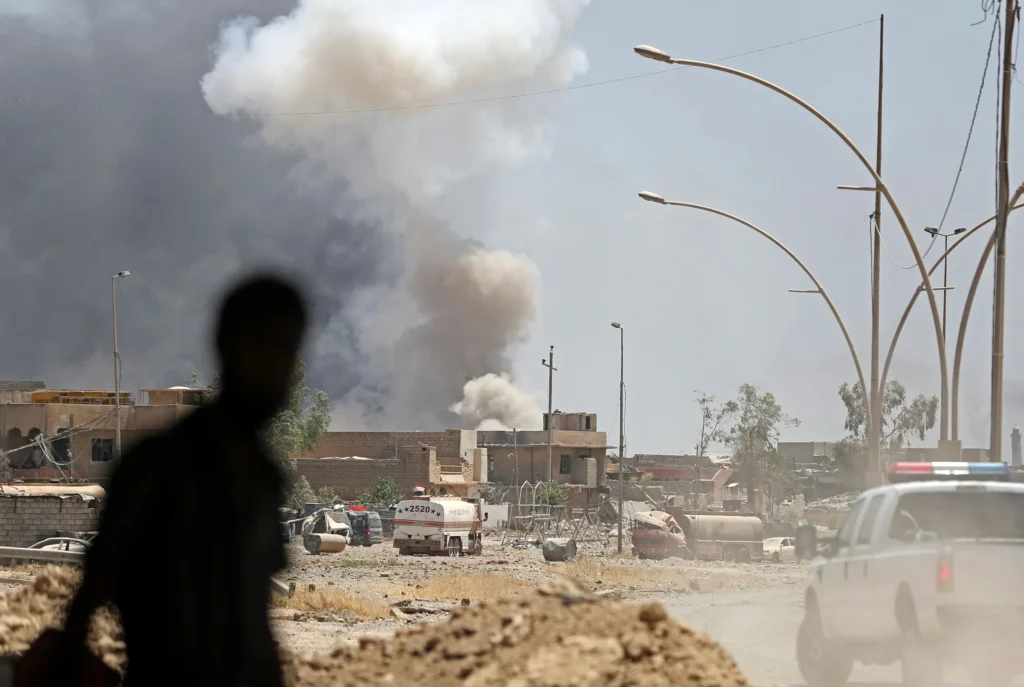
The aftermath made these consequences even more clear. Iran responded with missiles and drones targeting US assets across the Gulf region, shaking cities long attributed as the symbols of economic stability and peace. The conflict rapidly spread beyond the immediate battlefield, reminding the world how fragile regional security really is.
During moments like these, the idea of a stable “rules-based international order” begins to look less like reality and more like political language and illusion. The system that was designed and promoted by powerful states appears vulnerable to their own strategic calculations. When interests are at stake, principles not only become flexible, but they disappear.
Read More: World Reacts to Khamenei’s Death, Warns of Regional Instability
Ironically, this shift was predicted by the very leader who now operates within it. Donald Trump once said that it would take “one madman” to start a third world war. The comment was intended as a critique about global instability, yet current tensions make it feel less like rhetoric and more like a description of what we are witnessing today.
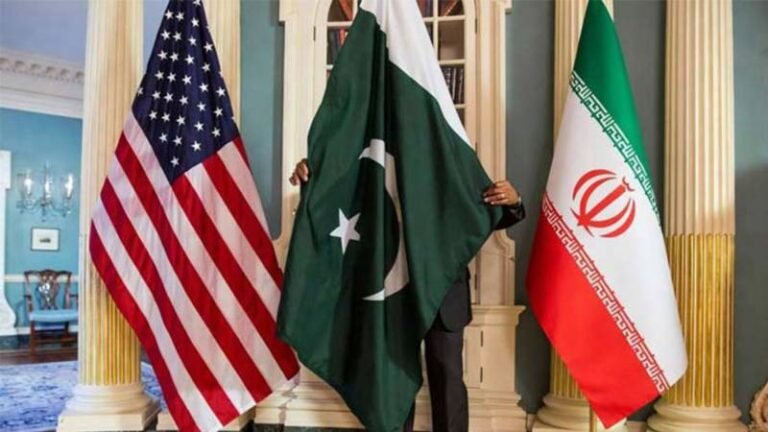
During all this happening, diplomacy was dodged, at least it continued on the surface. Talks between Washington and Tehran were presented to avoid this escalation. But beneath the language of diplomacy, both sides were engaged in opposite struggles. For the United States, diplomacy is a tool used from a position of overwhelming power. For Iran, negotiations are about survival, sanctions relief, and preserving its strategic autonomy.
When in negotiations, two parties approach the table with fundamentally opposing objectives, the conversation risks becoming a theatre rather than actual conflict resolution.
History explains that this is not unprecedented. Great powers have often used diplomacy alongside pressure, sanctions, and military force. Negotiations sometimes function less as a path to peace and more as a stage on which power dynamics are managed.
For observers around the world, especially in developing countries, the message is quite difficult to ignore, the international system is far less predictable than textbooks once promised.
The discussion becomes relevant for Pakistan as well. Across social media and political discourse, the young generation is often drawn into debates that focus on personalities, trends, and ideological battles. These conversations are important in their own ways, but they divert from the actual question of national security, collective resilience, and unity among states.
The world does not reward naivety. Countries that survive turbulent periods have certain characteristics, internal cohesion, strategic clarity, and a realistic understanding of global power dynamics.
Young people in Pakistan, especially those entering fields like policy, media, and academia, this moment offers a lesson. That the world is not a perfectly cooperative community waiting to help developing states succeed. Instead, it is a competitive place where alliances shift, interests collide, and survival often depends on unity at home.
This does not mean to abandon ideals or diplomacy at all. Cooperation remains central in an interconnected world. But realism must accompany optimism. Nations need to understand the harsher side of global politics to better prepare to protect their sovereignty and focus on long term stability.
What is happening in the Middle East reminds us that global order is not a permanent structure, it is a fragile arrangement which is often shaped by power. Every crisis, every conflict exposes some gaps between the world as it is described and the world as it actually operates.
Perhaps the teacher’s words on the first day of class were less skeptical than they sounded. International relations is not the study of how the world should behave, it is the study of how it actually behaves. Students often begin the study of International relations as idealists. The world eventually forces them to become realists.
The danger today is not only the ambitions of powerful states. It is the illusion, held by many societies, that the world has somehow moved beyond power politics.

Abdul Momin Rasul is a contributing author on TDI