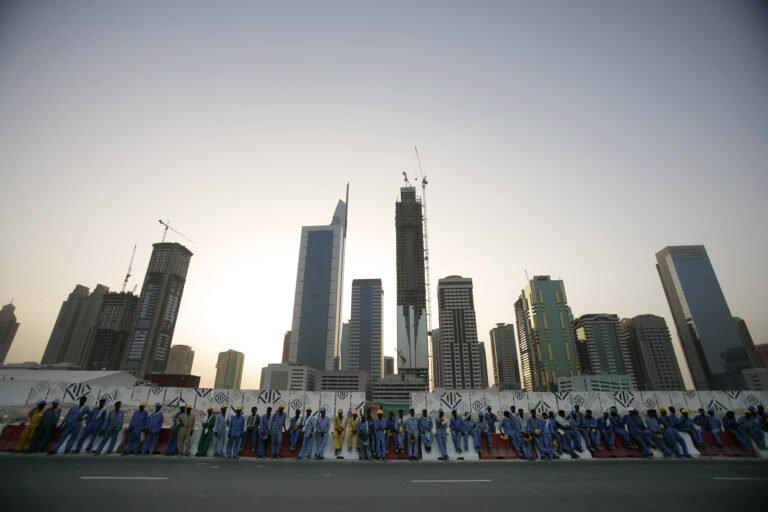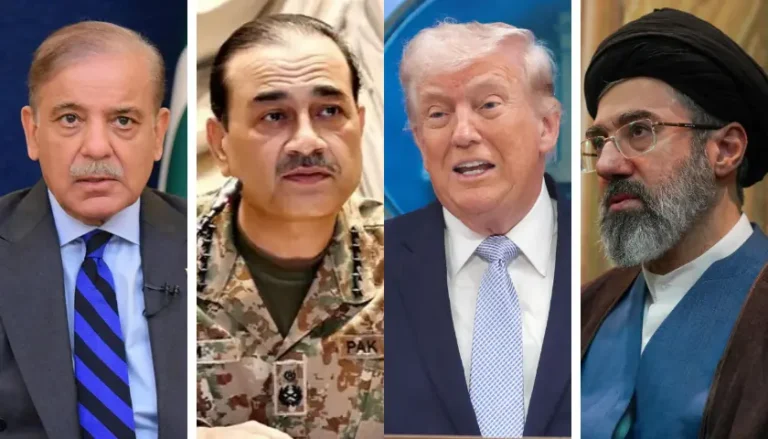
The growing tensions in 2026, between Iran, the United States, and Israel, have resulted in one of the most threatening geopolitical situations in the Middle East in recent years. The threat of a larger-scale regional conflict that can affect global security and economic order has been intensified with military attacks, missile launches, and proxy warfare.
A potential escalation is especially worrisome because of the role of major military powers and the proximity of energy lifeline routes like the Strait of Hormuz where approximately one-fifth of the world’s oil flows.
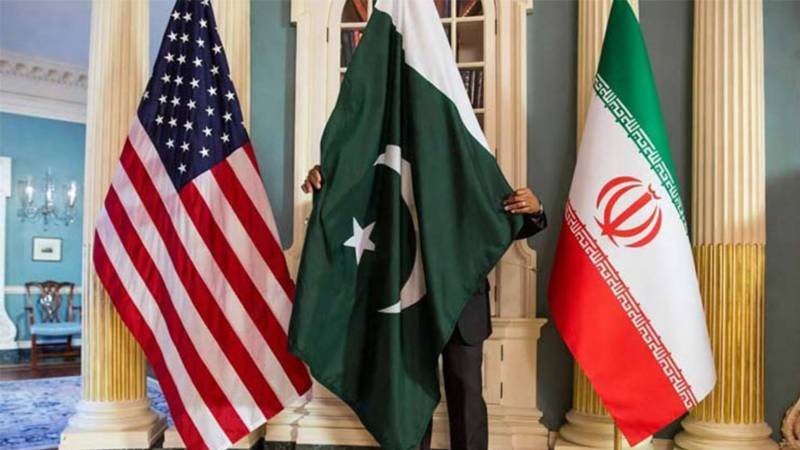
Pakistan has become a nation in this unstable environment with the diplomatic strength to play a role in de-escalating the situation. The long term ties it had with the United States, its strong geographical and economic connections with Iran, and its increasing involvement with the Mid East states gives Islamabad a very special platform on which it can take the role of a mediator.
Instead of turning to military intervention, the foreign policy of Pakistan has always been characterized by a focus on neutrality, dialogue and cooperation with other countries in the region. These values make the nation a legitimate player that can contribute to peace efforts and curb any further development of the dispute.
The significance of Pakistan in the Iran-U.S.-Israel crisis is due to its geopolitical position, diplomacy, and security duties. Located at crossroads of South Asia, Central Asia and Middle East, Pakistan borders Iran at a distance of 900 kilometers and closely cooperates with Gulf states economically and security-wise.
Read More: Islamabad’s Moment: Why Only Pakistan Can Broker an End to Iran War
Any intensification of the conflict in the region would have a direct impact on Pakistan, in terms of refugee flows, disruptions to trade and security threats on the western border.
Pakistan’s proximity to Iran, coupled with diplomatic relations with both Iran and the U.S., positions it uniquely as a neutral mediator. Its nuclear capability further enhances strategic influence, making Pakistan a key, responsible stakeholder. Global powers closely monitor its actions, seeking diplomatic engagement to prevent escalation and maintain regional stability.
Pakistan has several foreign policy tools to de-escalate tensions between Iran, the United States, and Israel. Diplomatic mediation is a key instrument, allowing Pakistan to host negotiations or facilitate back-channel communications where direct dialogue may be impossible. With prior experience in regional and bilateral frameworks, Pakistan can help build trust and encourage peaceful dialogue.
Multilateral diplomacy further strengthens Pakistan’s role. Working through the United Nations and regional organizations, Pakistan can support ceasefire agreements and conflict resolution initiatives. Collaborating with other states with shared interests in stability allows Pakistan, as a middle-power country, to amplify its influence and promote coordinated de-escalation efforts.
Economic diplomacy also plays a critical role. Pakistan’s trade relations with Iran and Gulf states can serve as incentives for peace. By promoting regional trade agreements and infrastructure connectivity, Pakistan demonstrates the economic benefits of stability, as interdependence raises the costs of conflict and encourages cooperation among all parties.
The Role of Neutrality in Pakistan’s Foreign Policy
One of the most important aspects of the foreign policy of Pakistan in the present crisis has always been neutrality. Neutrality will help Pakistan promote relationships with every party without seeming to be on the side of a particular military alliance. This will increase the credibility of diplomacy and Pakistan will be able to play the role of a reliable mediator at the negotiating table.
Pakistan has historically pursued a policy of neutrality in many of the conflicts that have taken place in the region focusing its efforts on dialogue and not military intervention. In our current scenario, Islamabad has made several demands to restrain and peacefully settle disputes using diplomatic means. Pakistan can minimize risks of retaliation by not taking part in military action, retaining the possibility of communicating with opposing parties.
Indifference also encourages stability within the country. The economic and security costs borne by developing countries can be very high when they are involved in foreign conflicts. Pakistan can advance its national interests by engaging in peace processes in the region by relying on diplomacy without going into military activities.
Humanitarian diplomacy is another aspect in the foreign policy of Pakistan. Humanitarian crises such as displaced civilians, lack of basic commodities and halted healthcare services are common outcomes of armed conflicts. Pakistan can contribute positively through humanitarian aid to affected communities and through efforts to assist the international relief.
Humanitarian diplomacy improves the international image of a country and shows that the country is concerned with human security. Pakistan, for instance, has already received millions of refugees in the course of regional conflicts and has been involved in international peacekeeping efforts under the United Nations. Such experiences are important sources of knowledge on how to handle humanitarian crises and how to coordinate relief efforts.
With regards to the Iran-U.S.-Israel crisis, Pakistan can provide logistical, medical, and emergency supplies to communities of people who fell victims of violence. These activities not only reduce human suffering but also improve diplomatic ties with neighboring countries.
Challenges Facing Pakistan’s Mediation Efforts
Although it is a strategic move, Pakistan is facing a number of difficulties in its efforts to mediate the war. The mistrust between Iran, Israel and the United States is one of the biggest barriers. Even in case of third party mediators, historical resentments, ideological differences and security issues complicate negotiations. An agreement between these actors takes a long time of diplomatic involvement and political goodwill.
The other obstacle is the challenging nature of regional alliances. The Middle East is marked by the rivalry of interests of several states, both Gulf and regional, and international powers. This is because the mediator may find it hard to strike a balance between these two interests and remain neutral. Pakistan should negotiate very well on diplomatic relations in order to lock out major partners.
Pakistan also has economic constraints that suppress its capability of maintaining long-term diplomatic programs. Successful mediation can demand monetary assets, technical capabilities, and institutional ability. Although Pakistan has shown its dedication to the diplomacy efforts, the lack of resources can be a factor that impacts the magnitude and length of the involvement.
Read More: Pakistan’s Mediation Offer in Iran War Signals Rising Diplomatic Confidence: Experts
The international politics of Pakistan is shown through its contribution to the ongoing crisis. Pakistan, as a nuclear-armed nation occupying a strategic location is very important in ensuring that the region is stable. Its involvement in diplomatic activities helps in the international efforts of avoiding a war and enhancing peace.
This has enhanced the image of Pakistan as a responsible state in international security due to its increased participation in global organizations and peacekeeping missions. Through diplomacy, Pakistan has shown that middle-power countries can change the course of events in the international arena without necessarily depending on their military might. This practice complies with the international strategy of promoting peaceful conflict management and multilateral collaboration.
Moreover, the experience of Pakistan in dealing with the complex security issues offers very useful information on the management of crisis and prevention of conflict. Its abilities support making it more credible as a mediator, and it becomes more relevant in international relations.
Policy Recommendations for an Effective Role
Pakistan must embrace some strategic policy choices to make the most when it comes to contributing to peace efforts. To start with, it must remain steadfastly neutral whilst participating actively in the diplomatic exchange with all the warring parties. Being neutral guarantees credibility and retains the power of Pakistan as an intermediary.
Second, Pakistan must strengthen regional cooperation by liaising with other state and international organizations. Joint diplomacy enhances the efficiency of peace operations and decreases the chances of unilateral intervention that is likely to worsen the tension.
Third, Pakistan ought to invest in capacity building in diplomacy such as negotiator training and crisis management bodies building. Good institutions of diplomacy bolster the capability of a nation to react swiftly and efficiently to the arising conflicts.
Lastly, Pakistan also needs to support economic integration and infrastructure projects that would foster stability in the region. Economic cooperation brings about incentives of peaceful relations and minimizes the possibility of conflict.
The escalating tensions between Iran, the United States, and Israel in 2026 represent a significant challenge to regional and global security. Preventing further escalation requires sustained diplomatic efforts, international cooperation, and responsible leadership from countries capable of bridging divides between conflicting parties.
Pakistan possesses the strategic location, diplomatic relationships, and policy experience necessary to contribute meaningfully to peace efforts. By leveraging its foreign policy tools particularly mediation, neutrality, and humanitarian diplomacy Pakistan can help reduce tensions and promote dialogue among adversaries.
Ultimately, Pakistan’s role in the current crisis highlights the importance of diplomacy in addressing complex security challenges. In an increasingly interconnected world, the ability to facilitate communication and build trust among nations remains one of the most effective ways to prevent conflict and ensure long-term stability.
*The views presented in this article are the author’s own and do not necessarily reflect the views of The Diplomatic Insight.

Waqas Abdullah
Waqas Abdullah is a geopolitical analyst and anthropologist whose areas of expertise are Middle Eastern and Indo-Pacific politics. A Türkiye Bursları Scholar, he is pursuing a Master’s in International Relations at Selçuk University Konya. His work focuses on climate refugees, human security, and regional cooperation.