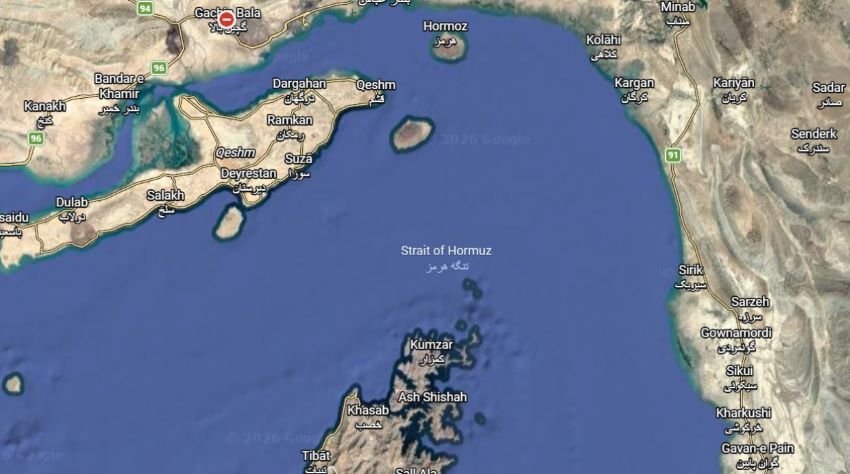
Tehran (TDI): Iran has once again shut the Strait of Hormuz, just hours after briefly reopening it, creating fresh uncertainty in global markets and raising tensions in the region.
According to Iranian authorities, the decision came in response to the continued US naval blockade of Iranian ports. Officials warned that the waterway would remain closed as long as the blockade persists.
The Strait of Hormuz is a critical global shipping route, handling around one-fifth of the world’s oil and liquefied natural gas. Its brief reopening on Friday, following a ceasefire in Lebanon, had led to optimism in global markets and a drop in oil prices. However, the renewed closure quickly reversed that sentiment.
Iranian parliamentary speaker Mohammad Bagher Ghalibaf said that ships would require Tehran’s approval to pass through the strait, while Foreign Ministry spokesman Esmaeil Baqaei described the US blockade as a violation of the ceasefire agreement.
State media later reported that the strait is now under strict control of Iran’s armed forces. Despite this, maritime tracking data showed several oil and gas tankers attempting to pass through the narrow waterway, with some vessels staying close to Iranian territorial waters and signaling neutrality.
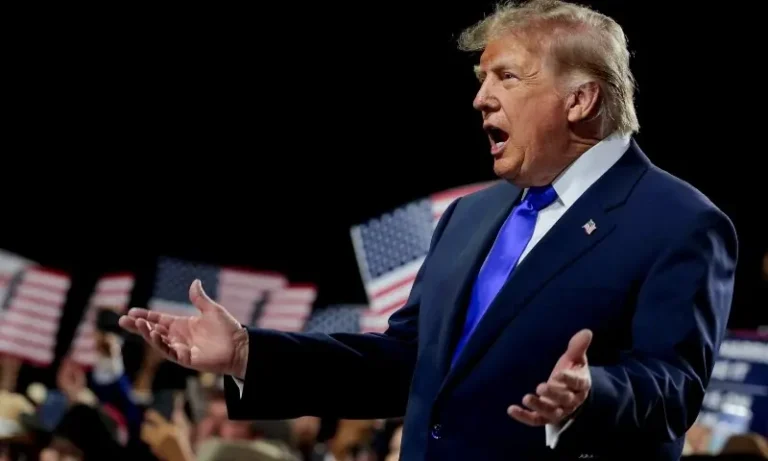
While a number of ships managed to cross, others reportedly turned back due to uncertainty. Meanwhile, US President Donald Trump maintained that the naval blockade would continue until a broader agreement with Iran is reached. He warned that military action could resume if negotiations fail, especially with only a few days remaining before the current ceasefire expires.
Read More: Pakistan Urges UN to Restore Normal Traffic in Strait of Hormuz
Despite the tensions, Trump expressed confidence that a deal could be finalized soon, although significant differences remain between the two sides, particularly over Iran’s nuclear programme and the fate of its enriched uranium stockpile.
Read More: Iran Threatens to Resume War Over Strait of Hormuz Dispute
Iran has rejected proposals to transfer its uranium abroad, maintaining that it will not move its reserves. The situation remains fluid, with diplomatic efforts ongoing and the future of both the ceasefire and global energy flows hanging in the balance.