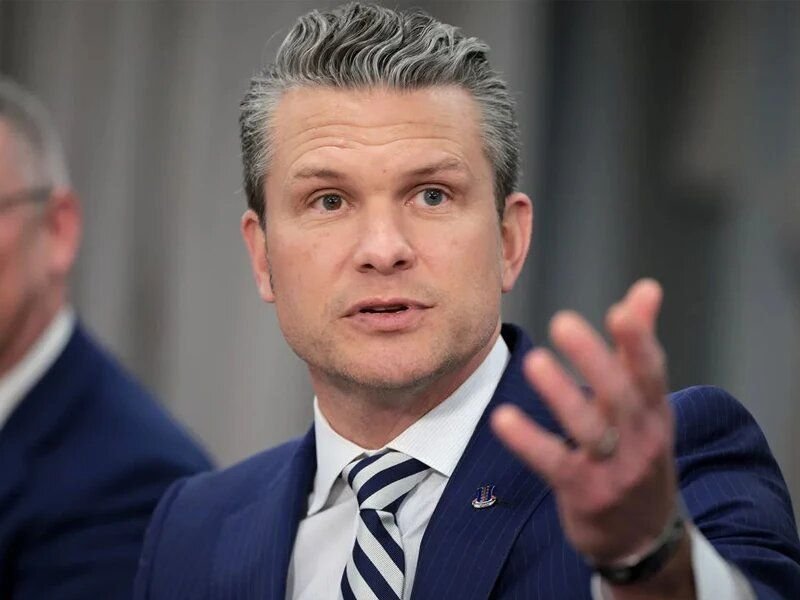
Washington (TDI): A major leadership shake-up has unfolded at the Pentagon as US Defense Secretary Pete Hegseth has removed Army Chief of Staff General Randy George from his post, forcing him into early retirement while the United States remains engaged in an active conflict with Iran.
According to several American media outlets, the decision is being viewed as one of the most significant changes in military leadership in decades. Alongside George, other senior figures were also dismissed, including General David Hodne and Major General William Green.
General George’s departure comes well before the completion of his expected four-year term. He had taken office in 2023 after being nominated by then-President Joe Biden. His removal coincides with the fifth week of ongoing US military operations against Iran.
Reports suggest that Hegseth is seeking a leadership team that is more in step with both his own approach and the broader strategic direction of President Donald Trump. This move appears to reflect deeper tensions within the Pentagon, particularly over personnel decisions and the direction of military policy.
Read More: Trump Claims Iran War Nearing End, Warns Of Wider Attacks
Reports indicate that disagreements had been building behind the scenes. George had reportedly worked closely with Army Secretary Daniel Driscoll and resisted certain changes pushed by Hegseth, including alterations to promotion lists. Some reports claim that disputes intensified after George and Driscoll declined requests to sideline several minority and female officers, arguing they were fully qualified.
With George gone, General Christopher LaNeve has stepped in as acting Army chief. His appointment is being interpreted as a sign of a broader shift toward leadership that aligns more closely with the current administration’s priorities. LaNeve’s rapid rise has also sparked debate about whether political considerations are increasingly influencing top military roles.
Analysts warn that such abrupt leadership changes during an active conflict could create operational challenges. Concerns include potential disruptions in planning, coordination with allies, and overall military readiness.
Read More: Italy, Spain Refuse US Base Access Amid Iran War
So far, the Pentagon has not directly linked the leadership overhaul to developments on the battlefield, leaving questions about its immediate impact unanswered. Meanwhile, lawmakers and defense experts are raising concerns that frequent changes at senior levels could strain trust between civilian leadership and the military, especially during wartime.