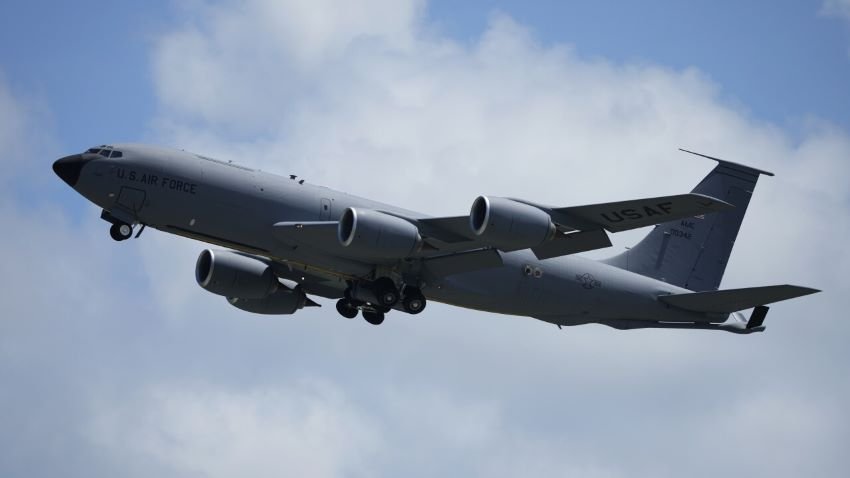
Rome (TDI): Tensions between the United States and its European allies have surfaced after Italy reportedly denied access to a key airbase for US military aircraft linked to the ongoing Iran war, following a similar move by Spain.
According to Italian media reports, US aircraft were not granted permission to land at the Naval Air Station Sigonella after a flight plan was submitted without prior approval from Italian authorities. The request, which involved bombers heading toward the Middle East, was reportedly made while the aircraft were already in transit, prompting Rome to reject it.
Spain had earlier taken a firm stance by refusing to allow US military use of its bases, including Morón and Rota, for operations related to the Iran war. Spanish Defense Minister Margarita Robles made it clear that Madrid had communicated its position to Washington from the outset.
Meanwhile, the regional conflict intensified after an oil tanker was struck near Dubai. The Kuwait-flagged vessel, Al-Salmi, was set ablaze in what is believed to be an Iranian attack. The ship, carrying around two million barrels of crude oil, sustained damage but no casualties were reported. Authorities later confirmed that the fire was contained following a drone strike.
Read More: Iranian Strike Hits Oil Tanker Off Dubai Amid Rising Tensions
The attack is part of a broader pattern of strikes on commercial shipping in the Strait of Hormuz and surrounding Gulf waters since late February, when hostilities escalated involving the US, Israel, and Iran. The conflict has disrupted energy supplies, pushed oil prices higher, and raised concerns about global economic stability.
In the United States, rising fuel prices are becoming a growing concern for President Donald Trump and his Republican Party ahead of upcoming elections. Petrol prices have crossed $4 per gallon, reflecting tightening global supply and increasing geopolitical risk.
Reports also indicate mounting pressure on missile defense systems in the region, with significant portions of interceptor stockpiles already used amid ongoing exchanges between Iran and Israel.
Despite the escalation, the Trump administration is said to be exploring a diplomatic resolution that would end the conflict without requiring Iran to fully reopen the Strait of Hormuz. Officials believe forcing the issue could prolong the war beyond the desired timeline.
The White House has set an early April deadline for reaching a potential agreement with Tehran, with officials claiming that negotiations are progressing, even as public and private positions appear to differ.
Read More: Trump Seeks End to Iran War Without Insisting on Strait of Hormuz Reopening
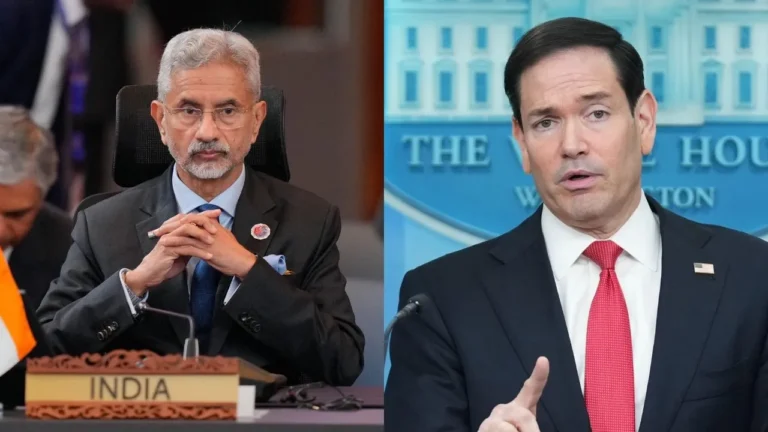
At the same time, President Trump has issued strong warnings, stating that US forces could target Iran’s energy infrastructure if the Strait remains restricted. US Secretary of State Marco Rubio reiterated that while diplomacy remains the preferred option, Iran could face serious consequences if tensions persist.
On the ground, the situation continues to deteriorate. Iran-aligned groups have launched attacks on Israel, while Israeli forces have carried out strikes in Tehran and against allied targets in Lebanon. The involvement of additional regional actors has further heightened fears of a wider war.
The United States has also reinforced its military presence, deploying troops from the 82nd Airborne Division to the Middle East, expanding its operational options even as diplomatic efforts remain underway.
Iran, however, has rejected recent proposals conveyed through intermediaries, calling them unrealistic and maintaining that its priority is national defense in the face of ongoing military pressure.
As both sides continue to exchange threats alongside limited diplomatic engagement, the crisis shows little sign of easing, with significant implications for regional stability and the global economy.