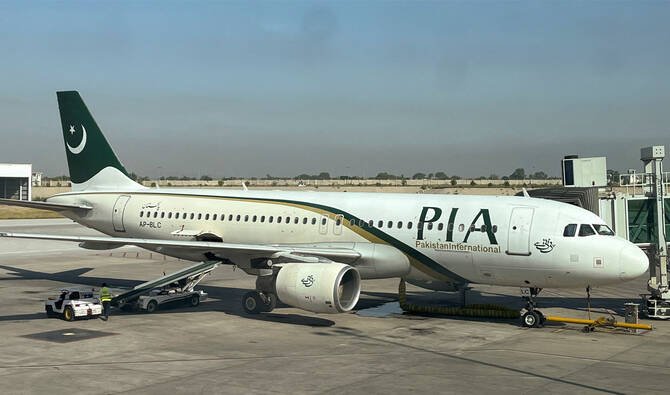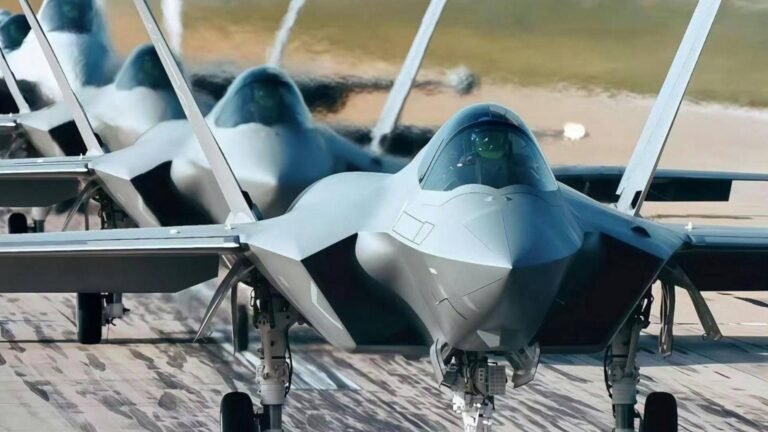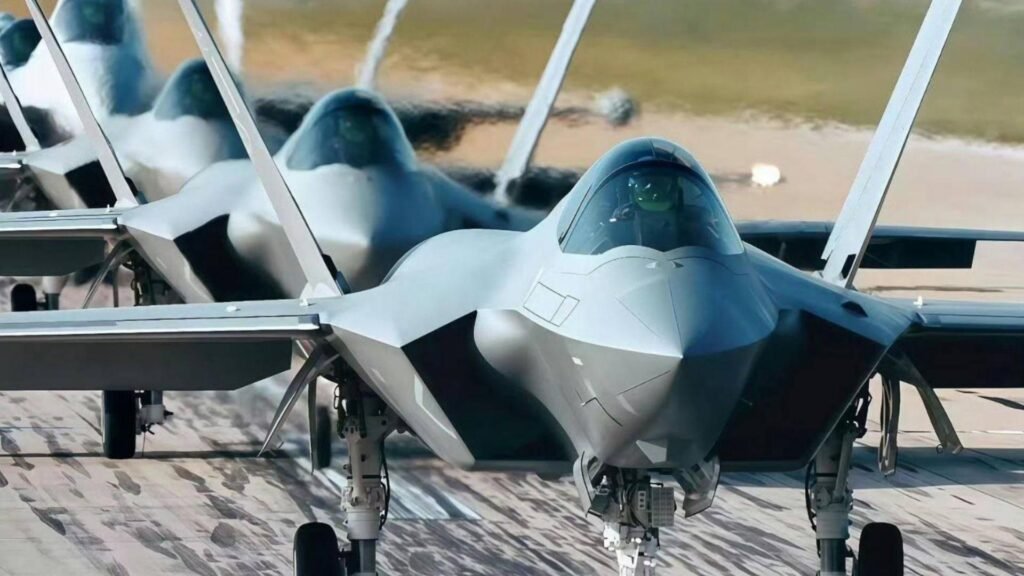
In May 2025, Pakistani jets shot down Indian aircraft in the biggest aerial battle South Asia had seen in a generation. In May 2026, the Pakistan Air Force confirmed it has signed an “initial collaborative agreement” for the acquisition of the fifth-generation Shenyang J-35 stealth fighter — with speculation now rife that Pakistan could take delivery of an initial batch before the end of this year. It will become the first country outside China to operate the J-35.
The crowd applauded. Social media erupted. And rightly so. But there is a huge difference between a signed agreement and a combat-ready fleet, and the gap between them is where the real work begins.
Why does this deal make sense? India does not have a single operational fifth-generation fighter today. The most advanced fighter jet that is operational in India is the Rafale, and it is not a stealth platform. But Pakistan now has a signed agreement for one.
Pakistan’s acquisition of the J-35 could significantly complicate the operational planning of the Indian Air Force during any potential air conflict, as stealth aircraft are far more difficult to detect using conventional ground-based radar systems, which will force India to divert a larger share of its frontline assets toward air defense roles and erode its numerical advantage.
More importantly, Pakistan is not just buying 5th-generation fighter jets; rather, it is acquiring a whole ecosystem. Alongside the multiple j35 fighter jets, it is also acquiring KJ-500 early-warning aircraft and HQ-19 surface-to-air missile defense systems. So it is a coherent, layered package that links stealth airpower, long-range surveillance, and air defense into a single modernization architecture.
Read More: Chinese J-35A, J-10CE Fighter Jets Among Highlights at Dubai Airshow
The announcement was historic, and recognition is well deserved. But celebrations tend to end when hard questions begin. According to media reports, this program is estimated to cost between 5-6 billion dollars, which covers jets, training, spare parts, and ground infrastructure.
While Pakistan’s total defense budget for 2025-26 stands at Rs2.55 trillion, roughly nine billion dollars, and debt servicing alone consumes nearly half of the federal budget. Financing this five-billion-dollar acquisition within that fiscal reality requires either significant Chinese credit or a painful reallocation of existing resources.
According to media reports, China is expected to offer concessional financing, and possibly it is subsidizing a large portion of the cost. That sounds generous. But the negotiating position on everything that follows spare parts pricing, software updates, maintenance contracts weakens over time if the supplier is your banker.
It never means to walk away from the deal. But there should be such a strategy to walk into every remaining negotiation with firm demands and clear terms on paper.
The JF-17 Thunder program is the best example of Pakistan-China defense cooperation, as it is co-developed and co-produced, with real technology sharing written into the agreement from the start. The J-35 demands the same discipline at the negotiating table.
China may not hand over its core stealth technologies, i.e the radar-absorbent coatings, the low-observable airframe geometry, and the sensor fusion software. That is a given, and accepting it is realistic. So Pakistan must insist on everything around those restricted items, which includes the maintenance and repair facilities built on Pakistani soil, component-level assembly participation, avionics integration work, and a structured plan that builds domestic technical capacity.
If these are not finalized in the contract now, Pakistan will have to spend the next thirty years sending its most advanced jets to China for basic servicing.
The sustainment of the stealth fighter jets is also a huge challenge because the stealth coating on a fifth-generation fighter needs specialized restoration because it degrades with every flight. Constant updates are needed for the mission software. Spare parts are expensive, unique, and cannot be sourced elsewhere.
Read More: Pentagon Report Highlights Pakistan as Top Recipient of Chinese Fighter Jets
The establishment of stealth-compatible maintenance infrastructure, which includes climate-controlled hangars, hardened aircraft shelters, and low-observable coating support facilities, needs huge unrestricted funding.
Pakistan’s 2025–26 defense budget sets aside about $2.34 billion for new military purchases, but this money has to cover other major projects as well, which include the acquisition of J-35 stealth fighters, more J-10C aircraft, upgrades to the JF-17 fleet, and the purchase of other weaponry.
This means the budget is being stretched across many expensive programs. So Pakistan must require a separate and protected fund specifically for the long-term operation and maintenance costs of the J-35. Without such dedicated funding, Pakistan may struggle to fully utilize and sustain its fifth-generation fighter capability, turning a major strategic investment into little more than a symbolic achievement.
The acquisition of the J-35 is undoubtedly a significant milestone in Pakistan’s airpower modernization. Yet history shows that advanced military platforms derive their value not from acquisition alone but from their effective integration, sustainment, and operational employment.
The true measure of success will not be the arrival of the aircraft, but Pakistan’s ability to maintain them, fund them, and incorporate them into a coherent long-term airpower strategy. The deal has been signed; the real test now begins.
*The views presented in this article are the authors’ own and do not necessarily reflect the views of The Diplomatic Insight.

Zeeshan Ali
Zeeshan Ali is a Strategic Studies student at National Defence University, Islamabad, with research interests in international security, military affairs, air power, nuclear deterrence, and South Asian strategic dynamics.