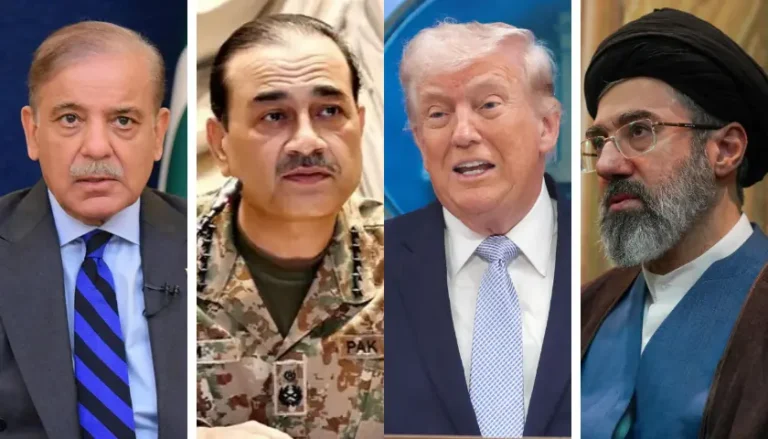
The escalating confrontation between the United States and Iran has become one of the most dangerous geopolitical flashpoints of 2026, with far-reaching implications for regional stability and the global economy.
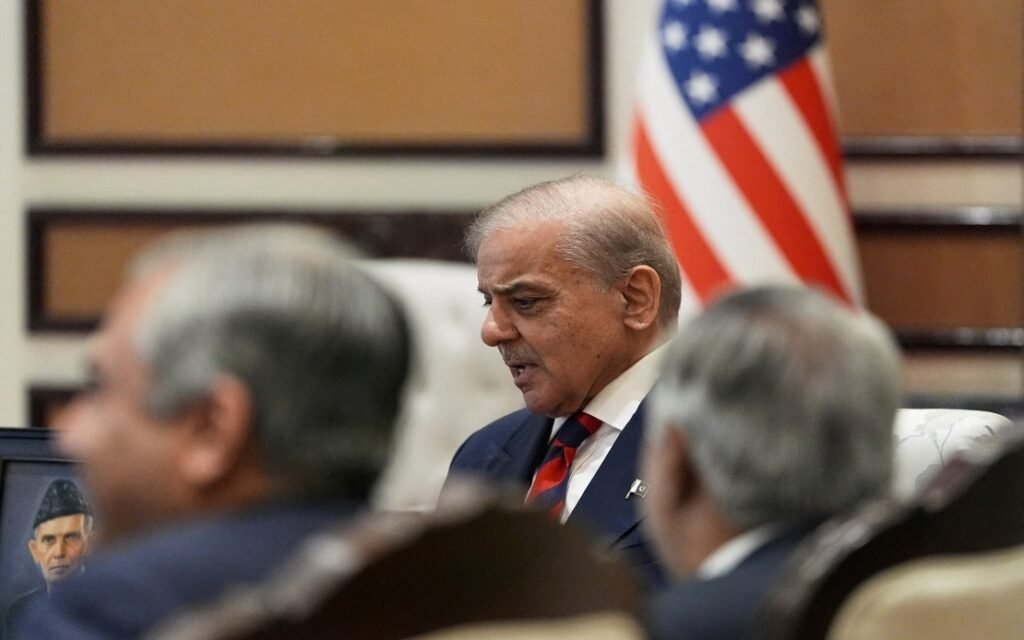
Amid fears of a wider Middle Eastern conflict and disruptions to critical energy routes, an unexpected yet significant actor has stepped forward: Pakistan. Far from remaining a passive observer, Pakistan is actively shaping diplomatic efforts, positioning itself as a credible mediator and a stabilizing force in an increasingly fragmented international system.
What distinguishes Pakistan in this crisis is its rare ability to maintain working relationships with both Washington and Tehran. At a time when direct communication between the two adversaries is severely constrained, Pakistan offers a vital diplomatic bridge.
This position is not simply advantageous—it is indispensable. Few states today possess both the strategic trust and political flexibility required to engage meaningfully with both sides. Pakistan’s balanced posture allows it to facilitate dialogue without being perceived as partisan, enhancing its credibility as an honest broker.
The urgency of mediation became evident as hostilities intensified in early 2026, marked by military strikes, retaliatory threats, and heightened regional tensions. The danger of escalation extended well beyond the immediate conflict zone, threatening global oil supplies and economic stability.
In response, Pakistan moved swiftly and pragmatically. Through quiet diplomacy, backchannel communications, and the hosting of discreet negotiations, Islamabad has played a critical role in preventing further deterioration of the situation. Its coordination with key regional actors, including Saudi Arabia and Turkey, reflects a sophisticated understanding that effective mediation requires collective effort rather than unilateral action.
Pakistan’s role is grounded in both necessity and strategic vision. As a neighboring country to Iran, it faces immediate risks from any prolonged conflict, including refugee flows, border instability, and economic disruption. However, Pakistan’s response goes beyond defensive concerns.
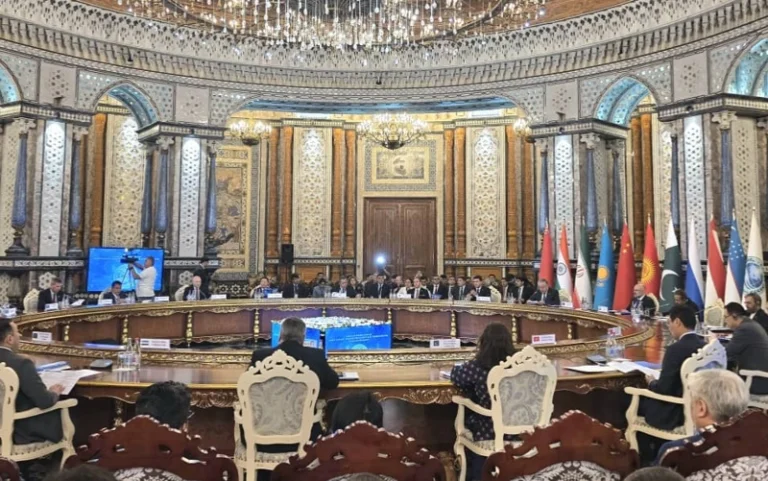
Read More: Pakistan, Saudi Arabia, Türkiye, Egypt Hold Key Talks on Regional Stability in Antalya
It reflects a deliberate shift in foreign policy—from reactive crisis management to proactive diplomatic engagement. By stepping into a mediatory role, Pakistan is redefining its place in international politics, demonstrating that it can contribute meaningfully to global peace and security.
This transformation is further supported by Pakistan’s broader diplomatic network. Its strong ties with regional and global powers, particularly China, enhance its capacity to operate within a multilateral framework. Rather than acting in isolation, Pakistan is part of a wider constellation of states seeking to prevent escalation and maintain regional stability. This interconnected diplomacy amplifies its influence and reinforces its credibility as a responsible stakeholder.
Equally important are Pakistan’s domestic considerations. As a country with diverse sectarian dynamics, any intensification of conflict involving Iran carries the risk of internal polarization. Pakistan’s mediation efforts, therefore, are not only externally driven but also rooted in the imperative of maintaining domestic harmony. This dual motivation strengthens the consistency and seriousness of its diplomatic engagement.
Critics may argue that Pakistan’s influence is limited by structural constraints, including the deep-seated mistrust between the United States and Iran and the involvement of other powerful actors such as Israel. While these challenges are real, they do not negate Pakistan’s contribution.
On the contrary, they highlight the importance of having a mediator capable of navigating such complexities. In high-stakes conflicts, success is not always measured by immediate breakthroughs but by the ability to sustain dialogue and prevent escalation. In this regard, Pakistan’s performance has been both effective and consequential.
Moreover, Pakistan’s diplomatic engagement reflects a broader shift in the international system. The era when conflict resolution was dominated exclusively by great powers is gradually giving way to a more multipolar reality, where middle powers play increasingly active roles.
Pakistan’s involvement in the U.S.–Iran crisis exemplifies this transition. It demonstrates that influence in contemporary geopolitics is not solely determined by military strength or economic might, but also by diplomatic agility, strategic positioning, and the ability to build trust across divides.
Read More: Türkiye Praises Pakistan’s Role in Promoting Regional Peace
The potential gains for Pakistan are significant. Successful mediation enhances its international standing, strengthens its relationships with major powers, and opens new avenues for economic and strategic cooperation. More importantly, it helps reshape global perceptions of Pakistan—from a country often associated with regional instability to one recognized for its constructive diplomatic contributions.
At a deeper level, Pakistan’s role underscores the enduring value of pragmatic diplomacy. In a world marked by polarization and competing interests, states that can maintain communication channels and foster dialogue are indispensable.
Pakistan’s approach—characterized by balance, restraint, and persistence—offers a model for how middle powers can contribute to peace in complex geopolitical environments.
Pakistan’s emergence as a mediator in the U.S.–Iran conflict thus represents a defining moment in its diplomatic evolution. It reflects a confident and capable state willing to assume greater responsibility on the global stage. While the ultimate resolution of the conflict depends on factors beyond any single country’s control, Pakistan has already demonstrated its ability to influence outcomes by keeping dialogue alive and tensions in check.
In an era of uncertainty, Pakistan’s actions send a clear message: meaningful contributions to global peace are not the exclusive domain of great powers. With strategic clarity and sustained engagement, middle powers like Pakistan can play a decisive role in shaping a more stable and cooperative international order.
*The views presented in this article are the authors’ own and do not necessarily reflect the views of The Diplomatic Insight.

Dr. Samina Yasmeen Amin
Dr. Samina Yasmeen Amin is an Associate Professor at the Allama Iqbal Open University (AIOU). She can be reached at samina.yasmeen@aiou.edu.pk