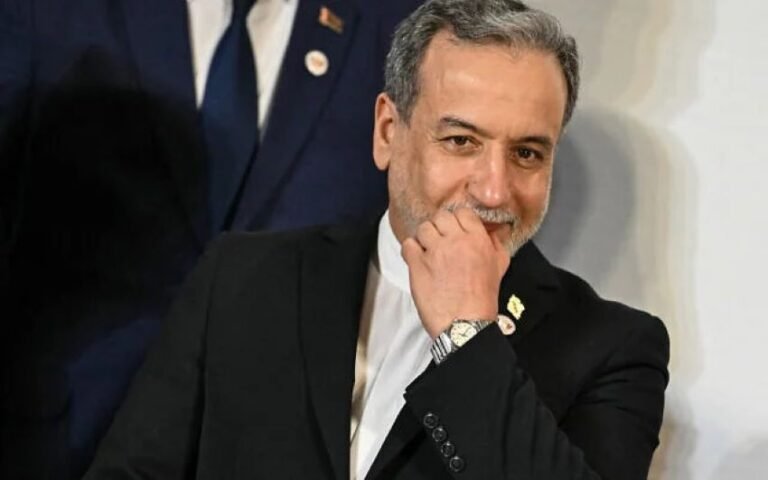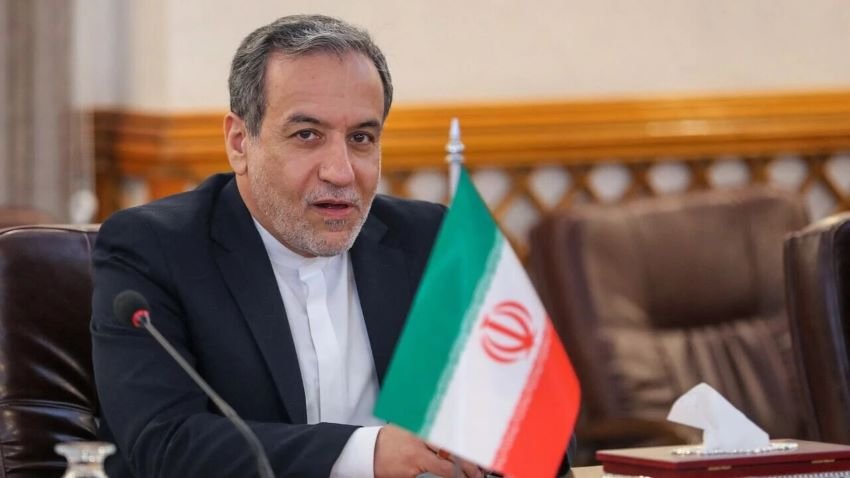
Tehran (TDI): Iran’s Foreign Minister Abbas Araghchi has expressed gratitude to Pakistan for strong support and solidarity with Tehran during the ongoing regional tensions involving the United States and Israel.
In a message posted in Urdu on X on Monday, Araghchi thanked the government and people of Pakistan for standing with Iran amid what he termed aggression by the United States and the “Zionist regime.” He said the Iranian nation would continue to defend its sovereignty and territorial integrity with determination and faith.
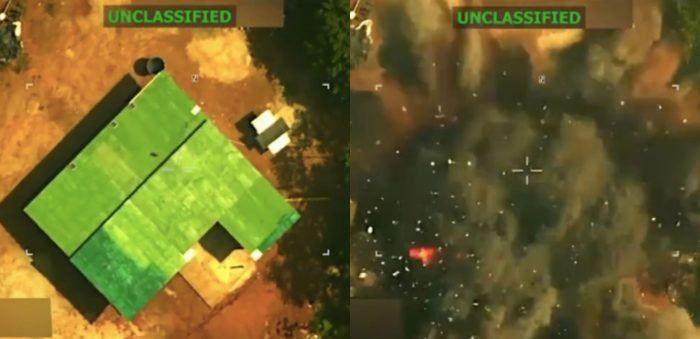
His remarks come as tensions in the Middle East remain high following US-Israeli strikes on Iran on February 28. The attacks led to the killing of Iran’s Supreme Leader Ayatollah Ali Khamenei. In response, Iran launched retaliatory strikes targeting American assets and military bases in several Gulf countries.
Pakistan’s Foreign Office has described Islamabad’s role in the crisis as that of a “bridge builder,” seeking to reduce tensions and encourage dialogue between the involved parties.
Read More: Iran’s Chokepoint Campaign and the New Economics of Coercion
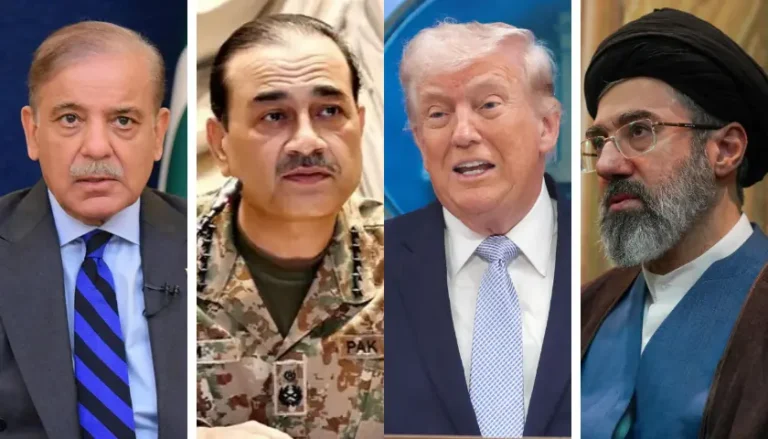
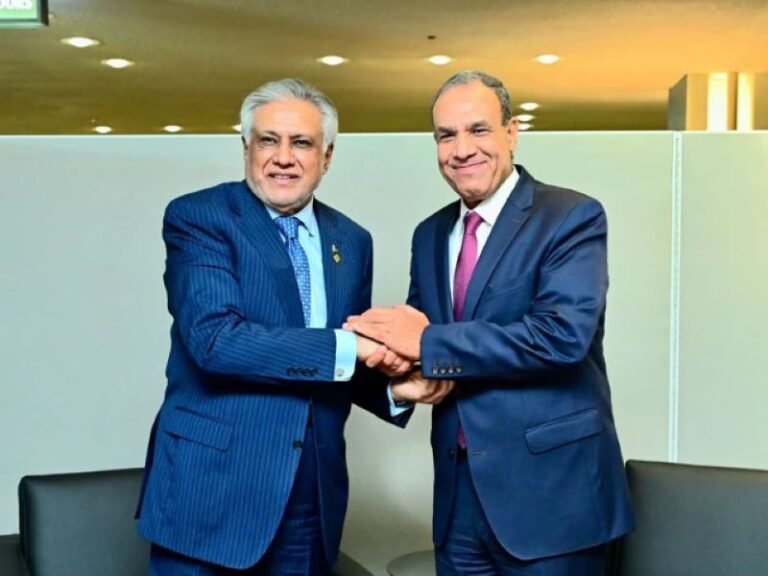
Prime Minister Shehbaz Sharif and Ishaq Dar have been actively engaging with regional and international leaders through phone calls since the conflict began, consistently calling for restraint and de-escalation.
During the crisis, Prime Minister Shehbaz also travelled to Saudi Arabia on March 12, where he held a restricted meeting with Crown Prince Mohammed bin Salman to discuss the evolving regional situation.
At the United Nations Security Council, Pakistan has attempted to maintain a balanced stance. Islamabad has condemned attacks on Iran while also expressing solidarity with Gulf states and urging all sides to return to negotiations and diplomatic solutions.
Read More: Trump Says US-Cuba Talks Underway, Signals Possible Action After Iran
Last week, Pakistan supported a Bahrain-sponsored resolution condemning Iran’s retaliatory strikes, which was adopted by the Security Council. Islamabad also backed a separate draft resolution presented by Russia regarding the military escalation, though the proposal was vetoed by the United States.