Yemen’s Houthi movement claimed attacks on two Saudi oil tankers in the Red Sea on Thursday, marking the first reported enforcement action since the group announced a naval blockade against Saudi Arabia.
The attacks come after a fresh escalation between Saudi Arabia and the Houthis and raise concerns that disruption around the Bab el-Mandeb Strait could add another pressure point to global shipping alongside the Strait of Hormuz.
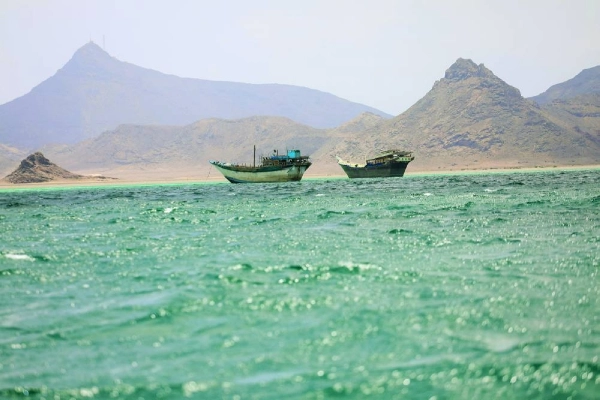
The Houthis said they targeted the Saudi-linked tankers Encelia and Layla using missiles and drones. A maritime security source reported that Encelia issued a distress call after being struck near the Saudi port of Jizan late Wednesday. The Saudi Press Agency confirmed that the attack caused a fire near the bow of the vessel.
The reported attack on Layla had not been independently confirmed at the time of reporting. The Houthis said the strikes were carried out as part of the naval blockade they announced earlier this week. The group has warned vessels against loading or unloading cargo at Saudi ports.
Blockade Follows Fresh Escalation
The blockade followed renewed confrontation between Saudi Arabia and the Houthis after years of relative calm. The Houthis accused Saudi Arabia of attacking Sanaa International Airport as a plane carrying Houthi officials returned from Iran. The group later launched missiles and drones towards Saudi Arabia’s Abha International Airport.
Houthi military spokesperson Yahya Saree described the blockade as an “eye for an eye” response and said the group had the right to “respond to the blockade with a blockade.”
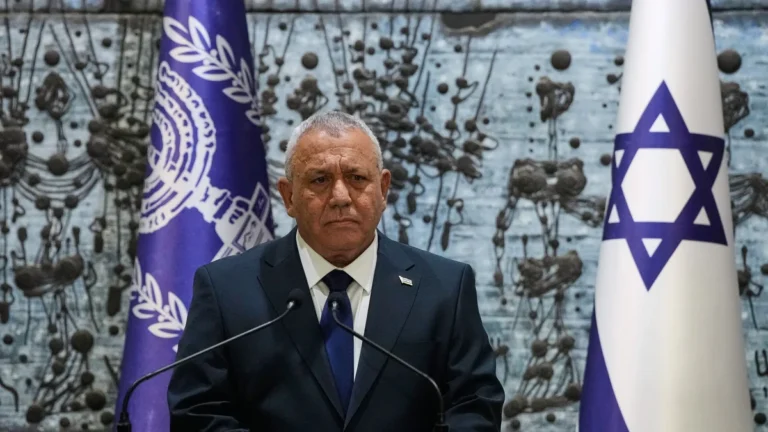
Saudi military spokesperson Major General Turki al-Malki said threats against vessels would be “dealt with swiftly and firmly.”
Although the Houthis are politically and militarily aligned with Iran, their public justification for the blockade has focused on their direct confrontation with Saudi Arabia and the restrictions imposed on Yemen.
This is an important distinction, as the tanker attacks were not officially presented as the Houthis entering the wider conflict directly on Iran’s behalf.
Read More: A War at Sea: From Hormuz to Bab el-Mandeb
Second Maritime Pressure Point
The Bab el-Mandeb Strait connects the Red Sea with the Gulf of Aden and serves as one of the world’s most important maritime routes.
Several vessels have already changed direction following the Houthi warnings. Five tankers reportedly altered their routes in the Red Sea, while other ships remained near Saudi ports awaiting further instructions.
A prolonged blockade could force ships to travel around the Cape of Good Hope, increasing fuel expenses, insurance costs and delivery times.
The escalation is particularly significant because Saudi Arabia has been using its East-West Pipeline to move oil towards Red Sea ports as an alternative to the Strait of Hormuz.
If the Houthis continue targeting Saudi-linked vessels, the Red Sea could become a second maritime pressure point alongside the Strait of Hormuz.
The next developments will depend on whether the blockade expands, how Saudi Arabia responds and whether international maritime forces increase their presence near Bab el-Mandeb.
It will also remain important to observe whether the confrontation stays within the Saudi-Houthi framework or becomes more directly connected to the broader conflict involving Iran.

Anoush Taimur
Anoush Taimur is an International Relations graduate from DHA Suffa University, Karachi, currently based in Doha. Her research interests include Gulf politics, small-state diplomacy, Global South studies and conflict
mediation. Her work examines how states create influence through connectivity, institutions and strategic relationships. She can be reached at [email protected]