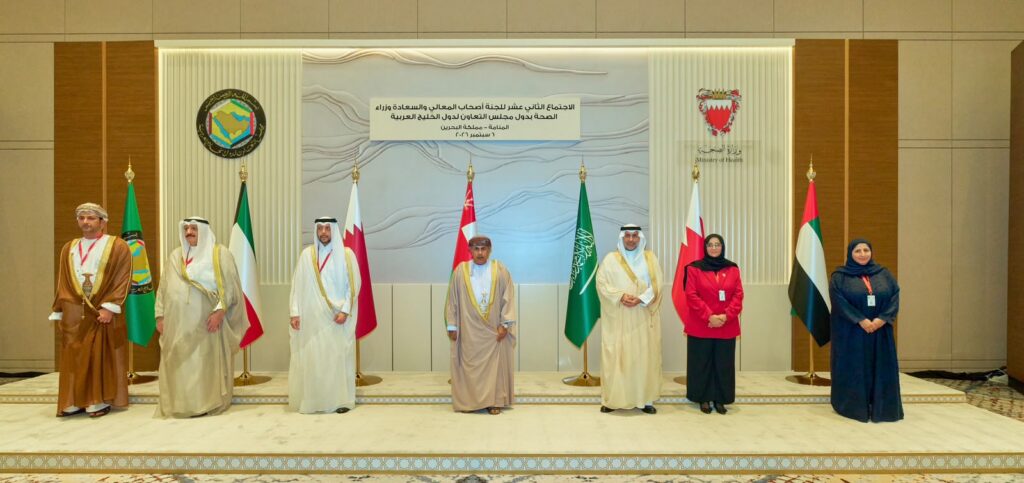
Health ministers from the Gulf Cooperation Council states have discussed measures to deepen regional health integration and strengthen collective preparedness, with strategic medical stockpiles, health insurance, virtual healthcare and a joint anti-drug strategy among the priorities reviewed at their 12th ministerial meeting in Bahrain.
Bahrain’s Minister of Health, Dr Jaleela bint Al Sayed Jawad Hassan, chaired the meeting, with health ministers from GCC member states and Khalid bin Ali Al-Sunaidi, Assistant Secretary-General for Economic and Development Affairs at the GCC General Secretariat, in attendance.
The ministers reviewed progress in implementing decisions of the GCC Supreme Council related to the health sector and discussed strategic stockpiles as part of efforts to strengthen preparedness and coordination among member states.
The agenda also included the GCC Strategy to Combat Drugs 2025–2028, the Gulf Virtual Health Network, health insurance and the GCC Award for Health Excellence.
أبرز مخرجات الاجتماع الثاني عشر للجنة أصحاب المعالي والسعادة وزراء الصحة بدول مجلس التعاون .@mohapuae @MOH_Bahrain @SaudiMOH @OmaniMOH @MOPHQatar @KUWAIT_MOH#مجلس_التعاون pic.twitter.com/JjzdgUlgi2
— مجلس التعاون (@GCCSG) September 8, 2026
The discussions form part of continuing efforts to develop a more integrated and sustainable Gulf health system and expand cooperation in areas where coordinated regional approaches can strengthen national health frameworks.
GCC officials also highlighted the role of directives from member-state leaders in advancing joint Gulf action and deepening cooperation and integration in the health sector.
The meeting reflects a broader GCC effort to strengthen regional resilience by treating healthcare cooperation as an increasingly important component of Gulf integration.
Read More: GCC Secretary General Calls for Preemptive Security Strategy at Dialogue Forum
Greater coordination over strategic reserves can improve collective readiness during health emergencies or supply disruptions, while the Gulf Virtual Health Network provides a framework for expanding cross-border digital health cooperation.
Coordination on health insurance and the implementation of a common anti-drug strategy similarly demonstrate the expanding scope of collective health policy across the six-member bloc.
As GCC states continue investing in healthcare infrastructure and digital transformation, closer institutional coordination could help create a more connected regional health ecosystem while strengthening the Gulf’s ability to respond collectively to future public health challenges.

Anoush Taimur is an International Relations graduate from DHA Suffa University, Karachi, currently based in Doha. Her research interests include Gulf politics, small-state diplomacy, Global South studies and conflict
mediation. Her work examines how states create influence through connectivity, institutions and strategic relationships. She can be reached at [email protected]