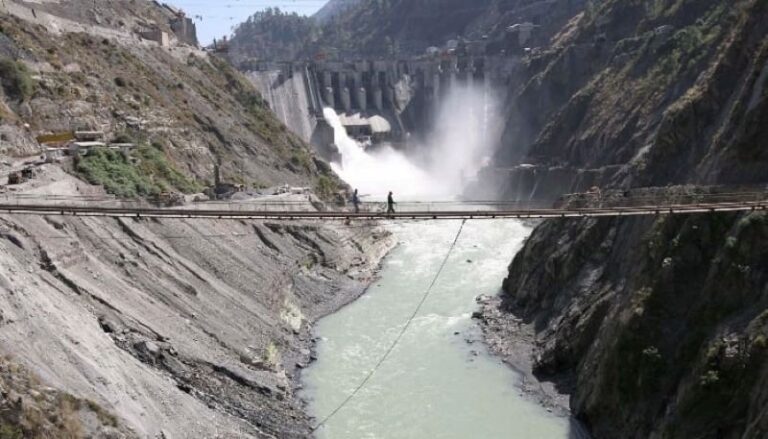
The Hague (TDI): Pakistan has achieved a key procedural victory in its long-standing dispute with India under the Indus Waters Treaty (IWT), after the Court of Arbitration directed New Delhi to submit operational records from two contested hydropower projects.
The Court of Arbitration, established under the 1960 IWT, issued a 13-page procedural order requiring India to provide operational logbooks from the Baglihar and Kishanganga hydroelectric plants by February 9, 2026. India must either comply or formally explain any refusal.
Pakistan, in turn, must specify the exact documents it seeks by February 2, 2026. A hearing for the second phase on the merits is scheduled in The Hague from February 2 to 3, regardless of India’s participation.
Read More: Zardari Rejects India’s IWT Violation, Warns Against Weaponizing Water
A high-level Pakistani delegation, led by the Attorney General and including the Pakistan Commissioner for Indus Waters, will travel to The Hague on Saturday. Pakistan’s international legal team and the country’s ambassador to the Netherlands will also attend, The News reported.
Pakistan has maintained that India has misused the IWT’s hydropower provisions by overstating installed capacity and projected electricity loads to justify excessive water storage, actions Islamabad says threaten Pakistan’s water security.
The court acknowledged that the operational records, also known as “pondage logbooks,” are directly relevant to the dispute, particularly in assessing how installed capacity and anticipated load should be calculated for maximum permissible pondage.
Pakistan has signaled it may seek interim measures to prevent further harm to its treaty rights, including steps to stop actions that could worsen the dispute. While the court has not ruled on such measures yet, it clarified that only a court of arbitration, and not a Neutral Expert, has the authority to grant them.
Read More: Pakistan Warns of Water War Risk, Urges UN Action Over IWT Suspension
Legal experts say the order represents an important procedural win for Pakistan, reinforcing its position that actual hydropower operations, rather than theoretical design claims, are key to determining compliance with the treaty