“I like my little off-center, he got wabbi-sabbi”
Just sometime earlier, the internet revived a dialogue from an animated sitcom released back in 2002. Interestingly, the dialogue rose to prominence after a significant generational leap — UGC creators generating relevant content, masses resonating with the feeling, and algorithms amplifying the buzzword ‘Wabbi-Sabbi.’
For a brief time period, consumers were convinced that wabbi-sabbi was a micro-slang: a gibberish jargon created for televised purposes only. “You can’t make up words to win an argument,” the dialogue that follows strangely resonates the stance of the viewers — puzzled yet curious if wabbi-sabbi is actually a definitive term.
And yes — curiosity landed man on the moon, and chronically online netizens on Wikipedia, discovering the realms of Japanese aesthetics:
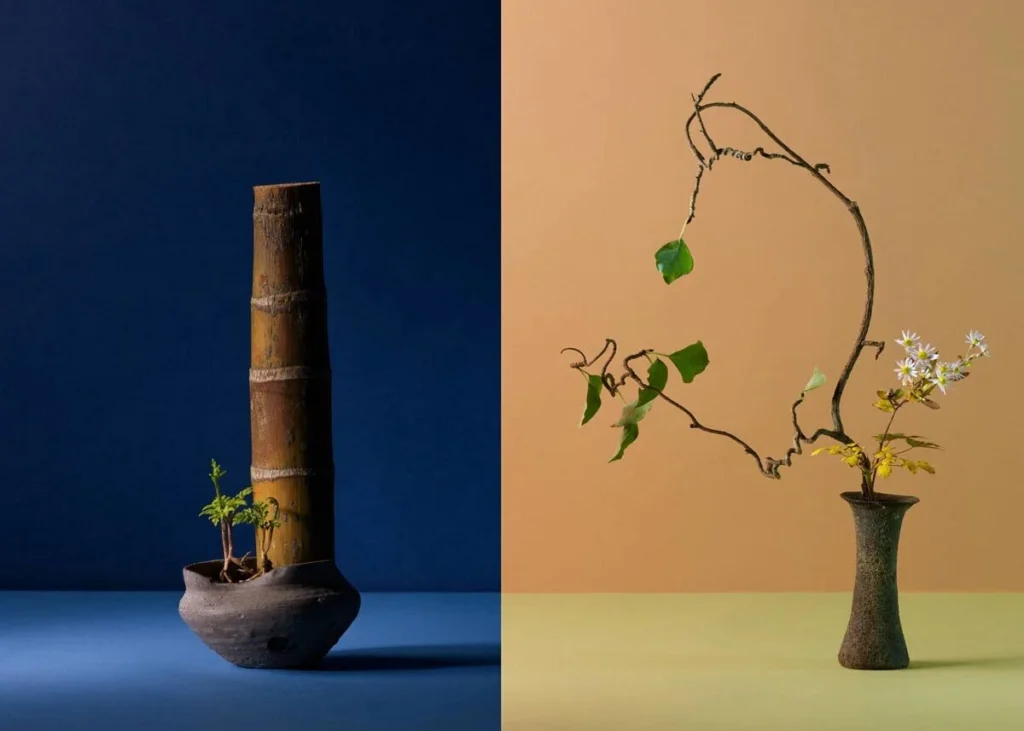
“In traditional Japanese aesthetics, wabi-sabi (侘び寂び) centers on the acceptance of transience and imperfection. It is often described as the appreciation of beauty that is “imperfect, impermanent, and incomplete.” It is prevalent in many forms of Japanese art.”
But why did the wabbi-sabbi analogy matter in the first place? Although the sitcom does not formally associate with any political allegory, the glocal-culture in the 2000s imprinted a significant impact in understanding the ideological analogy behind the show King of the Hill, the episode: “The Son Also Roses” (Season 7, Episode 6).
Read More: Navigating AI and Human Agency at the European Voice Assembly 2026
The post cold-war world celebrated America as an undefeated hegemon. Generally asserting — the US was hailed as the defender of democracy, global order and detractor of communism. Washington laid orders for the future and futures to come, asserting dependency through aids, foreign direct investments and development banks. The Washington consensus transcended borders and for a while, the capital flourished.
It wasn’t the end of the history, that the early 2000s were marked by the catastrophes: 9/11, War-on-Terror and 2008 and 2010 financial crisis. It was unsurprising that the prevailing neoliberal order was under threat with borders being political again, formation of excessively authoritarian alliances, and long-standing economic disparities.
The contradictions in the glocal-international systems were further exacerbated by Washington’s response to 9/11. With the international system failing to perform as ideally as it aspired to be and Washington’s underwhelming approach to foreign policy, the dynamics appeared fragmented.
But retrospectively, the dynamics had always been fragmented: 9/11 only represented the system that could not be spun away.
Therein represents the analogy of wabi-sawbi: the thing with the crack is more real than the perfect thing. Though the international system cannot be romanticized through embracing ‘the imperfection’ neither can be simplified with something as simple as wabi-sabi, but the analogy enfolds realities such as aspirations to build perfect systems while ignoring factors such as social-security systems, geopolitical blowbacks, and religious affiliations.
But this is not a conclusion but in fact an opening chapter — an invite to a highly anticipated gathering.
The European Voice Assembly, a global debating championship and intellectual forum held in Istanbul, Turkey, offers exactly that. Scheduled for August, this year’s themes explore some of the most compelling questions of our time.
If you are drawn to sociological debates and critical inquiry, this is a platform that invites individuals like you to step forward and engage with the world at a deeper level.

Samia Tanveer
Samia Tanveer is pursuing a degree in International Relations at Government College University Lahore. She is engaged in developing Youth Naama, a youth-led diplomatic forum. Her interests lie in policy-making and South Asian research. She can be reached at [email protected]