Pakistan is frequently referred to as an unexpected mediator, yet its applicability to a crisis in the Hormuz is neither new nor incidental. Every time the situation escalates in the Strait of Hormuz, the world starts to look to oil flows, navy operations, and power rivalry among great powers. But those are only the flashpoints of the moment, and right beyond them, are those states whose significance is quietly growing. One of them is not accidental but by position, Pakistan.
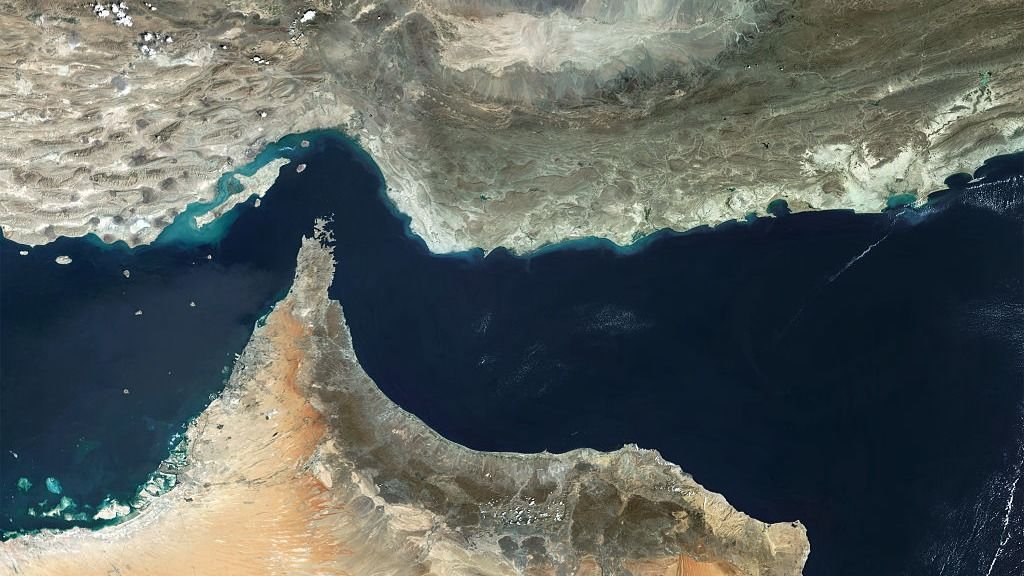
The Strait of Hormuz continues to feature as one of the most important arteries of the global economy, carrying a big portion of the oil supply in the world. The mere suggestion of instability is sufficient to shake up markets and cause geopolitical panic.
Having a powerful Iran has been on one side, the Gulf states on the other, and the United States is firmly entrenched in the security processes of the region the Strait remains a lifeline and even a fault line. Proximity, in this context, is never neutral, but always consequential.
Pakistan lies in immediate proximity to the Gulf rather than being a distant border state. Physical proximity is supported by a network of relationships. Pakistan has relationships with Iran, has close relations with Saudi Arabia and other allies in the Gulf, and still maintains relations with the United States. None of the countries are able to maneuver such a wide and generally contradictory array of relationships with the same degree of success.
Read More: Washington Sees ‘Good Signs’ as Pakistan Engages Iran
It is the interplay of the geography and the diplomatic relationships that make Pakistan relevant during times of crisis. Unlike states that are firmly aligned with a single bloc, Pakistan retains the ability to engage across political and strategic boundaries.
It is able to inform Tehran, even as it has a close relationship with Riyadh and other capitals of the Gulf. This stance provides Pakistan with a silent yet purposeful diplomatic room in a part of the world where mistrust commonly jeopardizes direct dialogue.
Another point of relevancy of Pakistan is its strategic position along the Arabian Sea The coastline especially with the establishment of Gwadar port places it in the wider discourse of regional connectivity and sea routes. Even when such a single significant man-ship as the security of traditional routes is put on the balance, when strategic consideration is subtly altered even by the mere existence of the adjacent factors available.
Simultaneously, Pakistan is not a mere neighbor to the crisis, but it is dırectly influenced by it. Any interruption in the Strait of Hormuz has effects on the global oil prices and in the case of Pakistan, this is an instant economic strain. Soaring imports costs, inflation, and fiscal pressures make it clear that stability is not an abstract issue but a shared goal.
Read More: China Urges Pakistan to Continue Diplomatic Efforts for Regional Peace
Nevertheless, the involvement of Pakistan needs to be perceived in a more realistic sense. It is restrained by its economic limitations and domestic issues, which does not allow it to have a decisive impact. It is not an influence that determines the conditions of regional politics. However; in international affairs relevance is not necessarily a product of power but it is usually a factor of positioning, access and timing.
Power, in times of crisis (like the Strait of Hormuz) is often marginal, not central. Pakistan is in this position. It is not the antecedent of events, although it is not excluded from them. It is located in the strategic radius of the crisis, which is related to its agents and impacted by its outcomes.
The issue, however, is not about whether Pakistan matters, but whether it is ready to act as clearly as such relevance requires. Pure reactive stance dangerously faces it diminishing to a peripheral observer. Advocacy that is consistent and measured has enabled it to remain credible as the stabilizing influence in a growing fragmented region.
With the Strait of Hormuz keeping the world focused on it, the emphasis will be on immediate actors of the Strait. And there is a more complex story that the wider region tells. The role that Pakistan plays during such times is structural. And in the place where politics tend to survive as long as geography and diplomacy, such relevance is hard to disregard.
*The views presented in this article are the authors’ own and do not necessarily reflect the views of The Diplomatic Insight.

Tahira Chaudhry
Tahira Chaudhry is an undergrad student of International Relations at NDU, Islamabad.