Washington (TDI): US President Donald Trump is prepared to seek an end to the conflict with Iran without insisting on the full reopening of the Strait of Hormuz, according to US media reports.
Senior aides believe that forcing the issue of reopening the strategic waterway could prolong the conflict beyond the administration’s preferred timeframe of four to six weeks.
White House Press Secretary Karoline Leavitt later stated that Trump is aiming to secure an agreement with Tehran before an April 6 deadline, which he had recently extended after previously setting an earlier timeframe linked to the reopening of the Strait of Hormuz. She added that negotiations with Iran are continuing and described communications as progressing, noting that Tehran’s public statements often differ from its private messaging to US officials.
According to the Wall Street Journal, Trump’s broader objective is to weaken Iran’s naval capabilities and missile stockpiles while gradually reducing the intensity of the fighting. At the same time, Washington plans to apply diplomatic pressure on Tehran to resume trade, encouraging European and Gulf allies to take a leading role in that effort.
Read More: Dar Heads To China For Key Talks On Iran-US Dialogue
Trump has also issued strong warnings, stating that US forces could target Iran’s energy infrastructure, including oil facilities, if the Strait of Hormuz is not reopened. US Secretary of State Marco Rubio, speaking in an interview, emphasized that Trump prefers diplomatic solutions but warned that Iran could face serious consequences over its actions in the region.
Iran, however, has largely resisted calls to reopen the Strait and has been accused of targeting commercial vessels passing through the area. Officials have suggested that Tehran could maintain restrictions on the waterway until a ceasefire is achieved.
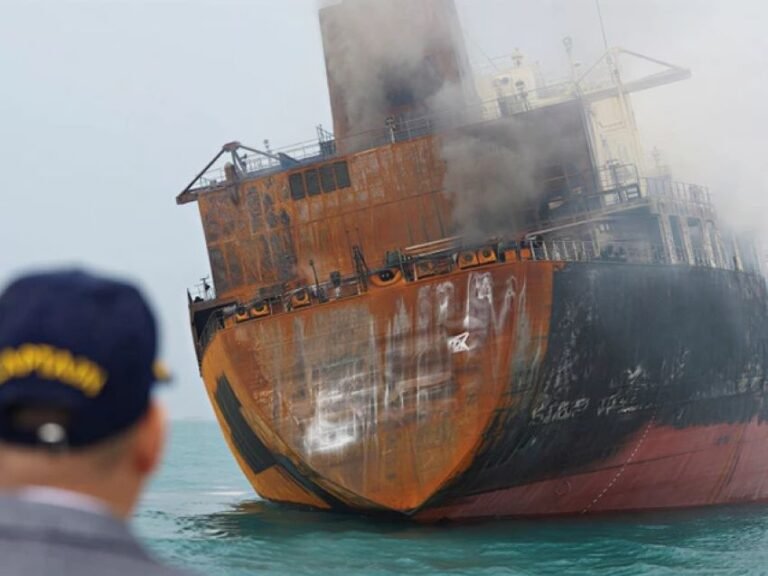
In a separate development, tensions escalated after reports that a tanker carrying crude oil near Dubai was attacked and set on fire. The vessel, identified as the Kuwait-flagged Al-Salmi, was reportedly struck in what appeared to be a drone or missile attack. Authorities in Dubai later said the fire was brought under control, and no injuries were reported, though concerns remain about possible environmental damage.
The ongoing conflict has widened across the Middle East, with increased military activity involving multiple actors. Iran-aligned groups have launched attacks on Israel, while Israel has carried out strikes on targets linked to Iran and its allied forces. In addition, UN peacekeepers have been killed in southern Lebanon amid the continuing hostilities.
Read More: Iran Denies Direct Talks with US, Calls Demands ‘Unreasonable’
Meanwhile, the United States has begun deploying additional troops to the region, including units from the 82nd Airborne Division, signaling increased military readiness. This buildup is seen as expanding US options, even as diplomatic efforts continue.
Iran has said it received peace proposals through intermediaries following regional discussions involving several countries, but dismissed the suggestions as unrealistic and excessive. Iranian officials maintain that their priority remains self-defense in the face of ongoing military pressure.