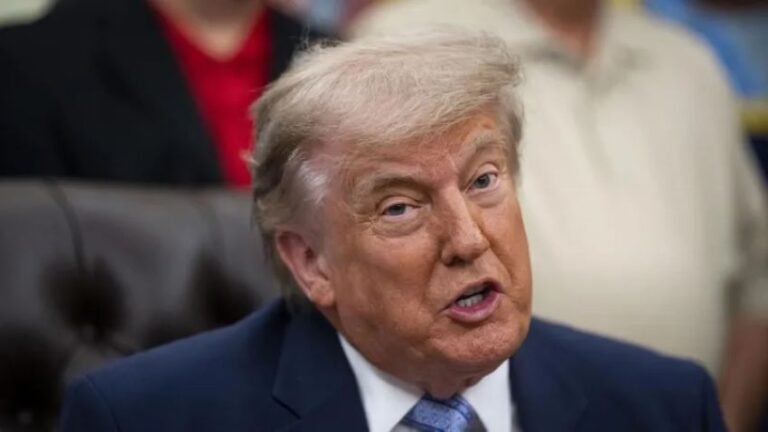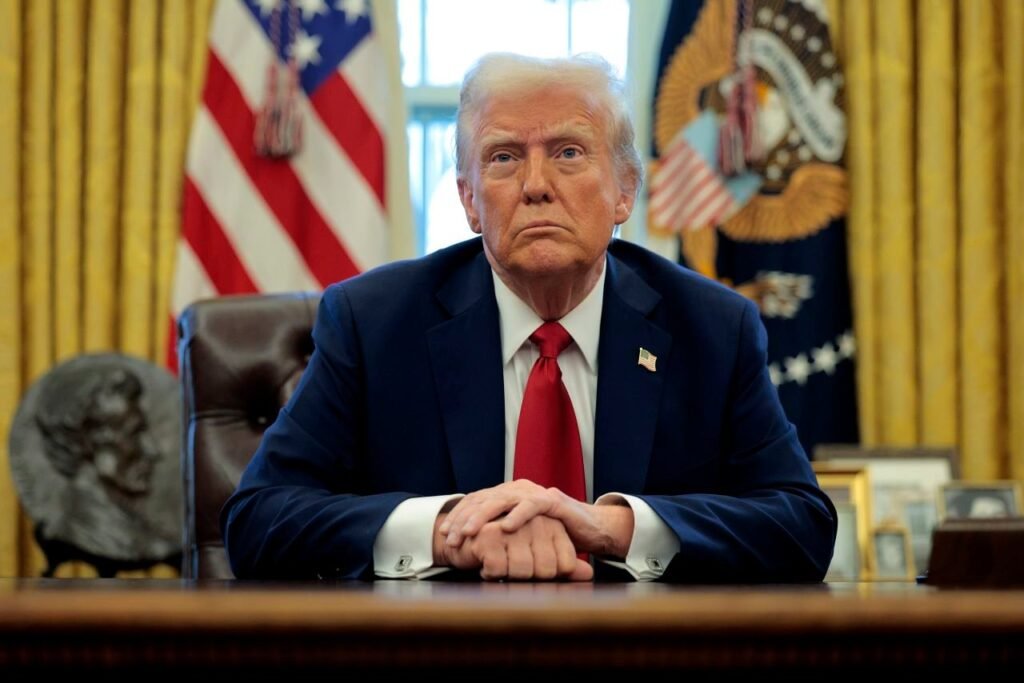
Washington (TDI): US President Donald Trump has said that several of the United States’ Middle Eastern allies are prepared to send troops into Gaza at his request, in an effort to confront Hamas should the group continue to violate the terms of his peace plan.
This statement came just a day after Trump warned that if Hamas failed to meet the expectations of the ceasefire agreement, one that had momentarily halted a two-year-long conflict between Israel and Gaza, the group would be “eradicated.”
Trump shared this declaration on his Truth Social platform, stating that numerous allies in the Middle East and surrounding regions had informed him that they would be willing to intervene in Gaza with significant military force to “straighten out Hamas,” should the situation continue to escalate.
Read More: Trump Confirms Israel-Hamas Ceasefire Still Intact After Gaza Strikes
He emphasized, however, that this action had not yet been initiated, and there was still hope that Hamas would adhere to the peace terms.
“If they do not, an end to Hamas will be FAST, FURIOUS, & BRUTAL!” Trump warned. This strong language aimed to show the severity of the situation if Hamas chooses to defy the ceasefire.
In the meantime, US Vice President JD Vance, along with two other senior Trump envoys, visited Israel in a diplomatic effort to shore up the fragile peace plan after fresh violence in Gaza threatened the ceasefire. While the Trump administration is keen on keeping the pressure on Hamas, Vice President Vance clarified that the US would not send troops into Gaza.
Read More: PM Shehbaz Reaffirms Praise for Trump’s Gaza Peace Role
“There are not going to be American boots on the ground in Gaza,” Vance stated during a press conference in Kiryat Gat, southern Israel, where US officials are monitoring the ceasefire. He reiterated that this had been made clear by both President Trump and US military leadership.
Vance also noted that while there would be no direct military intervention by the US, American forces would continue to assist with coordination efforts in order to maintain stability and support the ongoing peace process. This clarification underscored the US’s role in diplomatic and strategic coordination, rather than direct military involvement in the region.