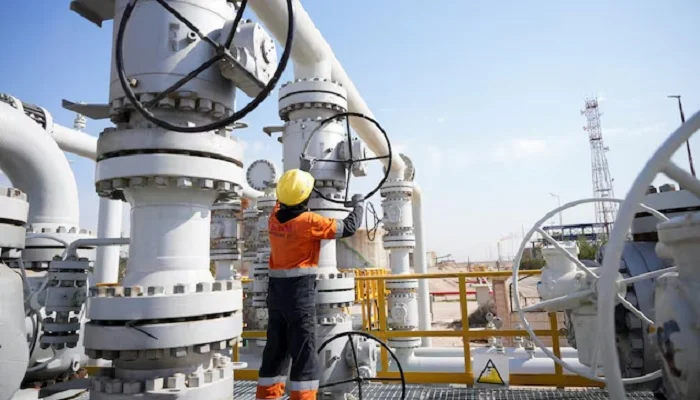
Riyadh (TDI): OPEC+ crude oil production rebounded sharply in October, approaching pre-war levels as Saudi Arabia led the recovery with a substantial increase in output despite continued disruptions to shipments through the Strait of Hormuz.
The alliance’s combined crude production reached 41.23 million barrels per day (bpd), an increase of approximately 2.04 million bpd from September, according to OPEC’s monthly oil market report released on Wednesday.
The October figure represented about 97 per cent of the 42.72 million bpd recorded in February, before the outbreak of the Iran war, based on calculations using OPEC data.
The recovery highlights efforts by Saudi Arabia and other major producers to restore supplies amid continuing regional tensions and restrictions on tanker movements through the strategic waterway.
Some oil producers have sought alternative export routes and arrangements, including ship-to-ship transfers and pipelines that allow crude shipments to bypass the Strait of Hormuz.
Saudi Arabia accounted for a major share of the increase, reporting crude oil production of 10.56 million bpd in October, compared with approximately 8.37 million bpd in September.
The increase of nearly 26 per cent marked the Kingdom’s highest production level since February, when output stood at 10.88 million bpd.
Read More: OPEC+ Freezes October Output as Hormuz Instability Clouds Gulf Energy Strategy
Riyadh had increased production ahead of the US and Israeli strikes on Iran, anticipating potential disruptions to global energy supplies. The latest figures indicate that the Kingdom continued expanding output in October despite persistent risks to regional exports.
Iraq also reported a significant recovery, with production reaching approximately 4.9 million bpd, its highest level since the conflict began.
However, secondary sources cited in OPEC’s report placed Iraqi production at 4.49 million bpd, bringing it closer to the country’s assigned production target.
Russia’s crude oil production rose by approximately 41,000 bpd month on month to 8.67 million bpd in October, according to secondary-source estimates included in the OPEC report.
The increase followed several months of declining output amid Ukrainian attacks on Russian energy infrastructure, including oil refineries.
US President Donald Trump announced an energy-sector ceasefire between Russia and Ukraine last month, although the arrangement failed to hold in any meaningful way. A temporary reduction in attacks on Russian refining facilities may nevertheless have supported production during the reporting period.
Read More: OPEC+ Approves Further Output Increase as Regional Supply Risks Continue
Kazakhstan also recorded an increase, with output rising by approximately 34,000 bpd from September to 1.89 million bpd. Nigeria’s crude oil production averaged 1.69 million bpd in October, marking the sixth consecutive month in which the country met its OPEC production quota, according to its petroleum regulator.
Excluding condensates, Nigerian output stood at approximately 1.51 million bpd, slightly exceeding its quota of 1.5 million bpd. The regulator attributed the improvement to greater operational efficiency, more consistent production and improved transportation of crude from oilfields to export terminals.