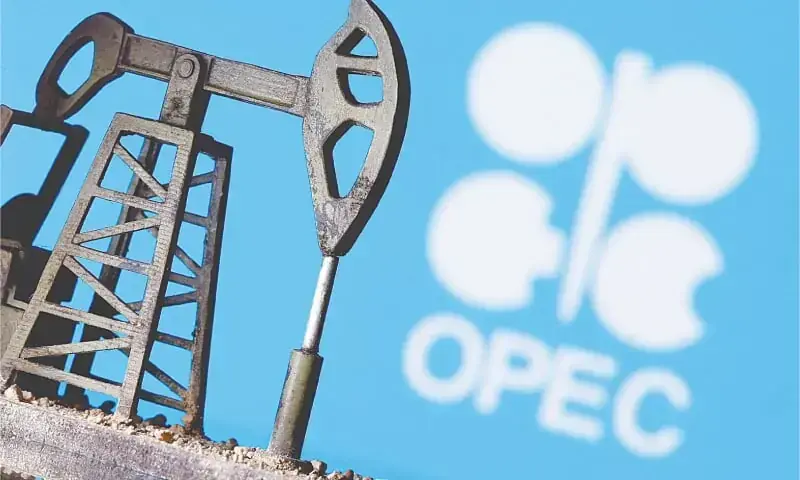
OPEC+ has agreed to keep oil production levels unchanged for October, pausing its recent sequence of monthly output increases as mounting instability around the Strait of Hormuz creates fresh uncertainty for global energy markets.
Saudi Arabia, Russia, Iraq, the United Arab Emirates, Kuwait, Kazakhstan, Algeria and Oman agreed during a virtual meeting to maintain September production levels, while reaffirming their intention to continue monitoring market conditions and compliance with existing commitments.
The decision comes as the confrontation involving Iran and the United States places growing pressure on maritime traffic through the Gulf, raising concerns over the security and reliability of energy exports.
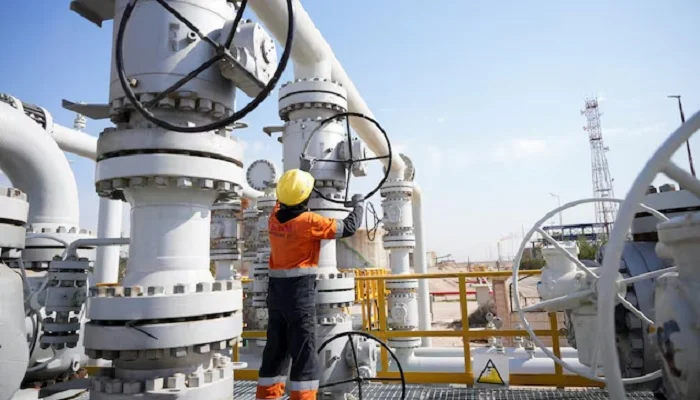
Hormuz remains the principal route for crude and other energy supplies from several Gulf producers, meaning disruptions to shipping can limit the impact of changes in production itself.
Read More: OPEC+ Approves Further Output Increase as Regional Supply Risks Continue
OPEC+ members are therefore navigating a market increasingly influenced not only by supply and demand fundamentals, but also by the ability to move energy safely through strategically exposed waterways.
Holding output steady gives the group room to assess the effects of the regional crisis without adding further uncertainty to an already volatile market.
It also highlights the limits of production policy during a maritime security crisis: additional barrels offer little reassurance if shipping routes remain vulnerable or insurance and transport costs continue to rise.
The group is expected to review market conditions again at its next meeting as Gulf security and the stability of Hormuz remain central variables for the global energy outlook.
Anoush Taimur is an International Relations graduate from DHA Suffa University, Karachi, currently based in Doha. Her research interests include Gulf politics, small-state diplomacy, Global South studies and conflict
mediation. Her work examines how states create influence through connectivity, institutions and strategic relationships. She can be reached at [email protected]