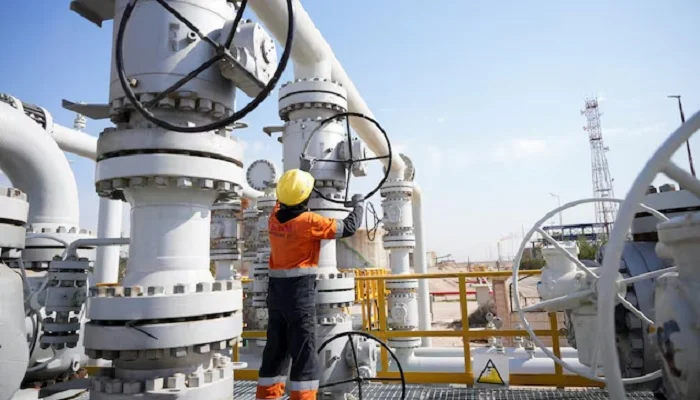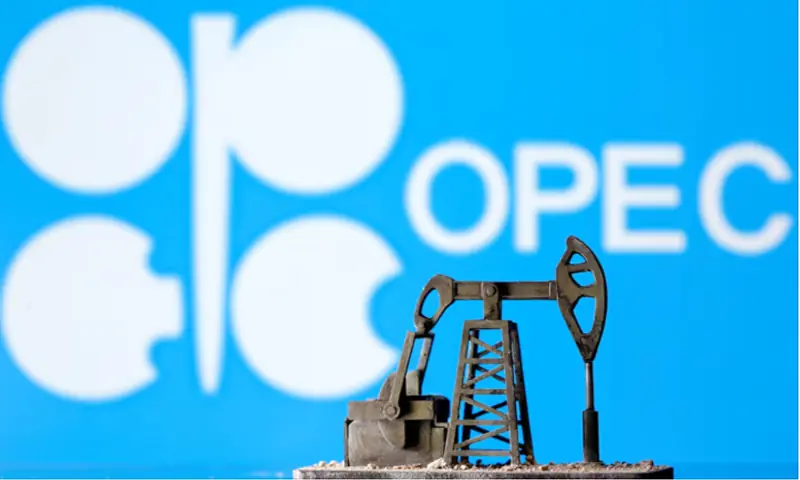
Eight OPEC+ members have agreed to increase their collective oil production by around 188,000 barrels per day in September, continuing the group’s gradual return of output that had been voluntarily reduced since 2023.
The participating countries include Saudi Arabia, Russia, Iraq, the UAE, Kuwait, Kazakhstan, Algeria and Oman. The decision marks the sixth consecutive monthly increase and completes the planned return of around 1.65 million barrels per day in voluntary cuts.
A separate OPEC+ reduction of nearly two million barrels per day will remain in place until the end of 2026. The group is expected to meet again on September 6 to review production levels for October.
The latest decision allows participating states to produce more oil, but it does not necessarily mean that all of the additional volume will reach international markets.
Read More: Oil Tumbles as Trump Delays Iran Attack, Seeks Deal to Reopen Hormuz
Shipping through the Strait of Hormuz and the Red Sea remains exposed to regional tensions, attacks on energy infrastructure and wider maritime insecurity.
This means that some producers may have the capacity to increase output but still face difficulties exporting it safely. The difference between authorized production and actual supply is becoming more important as conflict continues to affect the region’s main shipping routes.
Saudi Arabia and other Gulf producers still hold spare capacity and can raise output if required. However, the value of higher production quotas remains limited if tankers cannot move safely through Hormuz or Bab el-Mandeb.
The decision therefore shows the limits of using production policy alone to calm energy markets during a period shaped by war, shipping risks and uncertainty over regional trade routes.
Anoush Taimur is an International Relations graduate from DHA Suffa University, Karachi, currently based in Doha. Her research interests include Gulf politics, small-state diplomacy, Global South studies and conflict
mediation. Her work examines how states create influence through connectivity, institutions and strategic relationships. She can be reached at [email protected]