
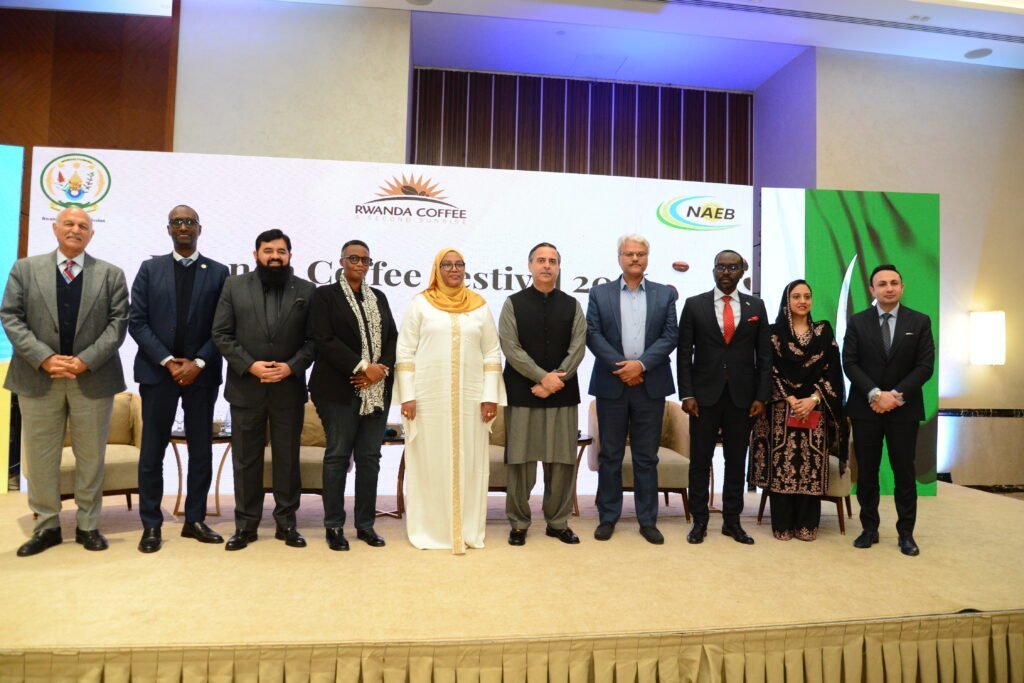
The High Commission of Rwanda in Pakistan, in collaboration with the National Agricultural Export Development Board (NAEB), successfully hosted the first-ever Rwanda Coffee Festival in Pakistan, on 29 January 2026, at the Mövenpick Hotel, Islamabad. The event marked the first dedicated platform for the introduction of Rwanda’s globally acclaimed specialty Arabica coffee to the Pakistani market and served as a strategic initiative to strengthen bilateral trade, investment, and cultural cooperation between Rwanda and Pakistan.
The festival was organized in two distinct sessions; a morning session focused on product showcasing, followed by an evening session dedicated to policy dialogue, business engagement, and cultural diplomacy.
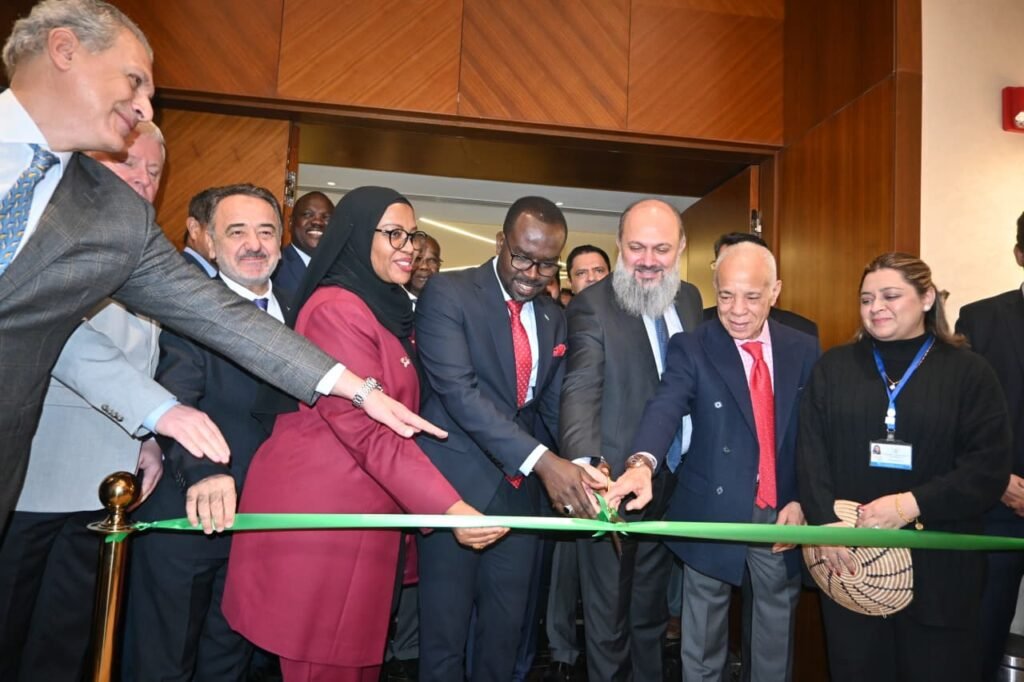
The morning session commenced with a formal inauguration ceremony, including the ribbon-cutting, jointly performed by the Federal Minister for Commerce of Pakistan – Jam Kamal Khan and Prudence Sebahizi – Minister of Trade and Industry of Rwanda, alongside Harerimana Fatou – High Commissioner of Rwanda in Pakistan and Claude Bizimana, Chief Executive Officer of the National Agricultural Export Board (NAEB) of Rwanda The ceremony was attended by diplomats, senior government officials, members of parliament, business community, media persons, and a high-level Rwandan delegation.
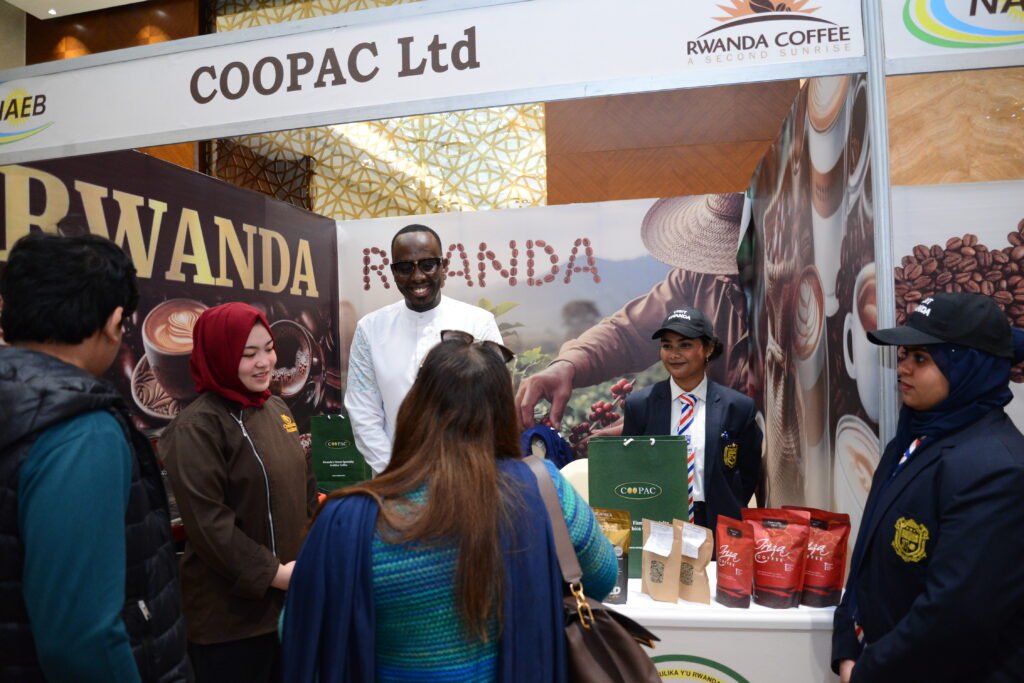
Following the inauguration, ministers of both countries headed to the stalls set up by five leading Rwandan coffee companies, presenting a wide range of premium specialty Arabica coffee varieties. They experienced live coffee roasting and cupping, and were offered samples for tasting. Minister Jam Kamal Khan appreciated the taste and aroma of the different varieties offered to him.
Addressing the participants, the Minister emphasized the pivotal role of the business community in translating such initiatives into tangible outcomes, stating that their active engagement would be central to the festival’s success. He reaffirmed Pakistan’s commitment to expanding trade relations with Rwanda and welcomed collaboration opportunities in sectors including agro-manufacturing, textiles, leather, and other value-added agricultural products.
He drew attention to the emerging global economic landscape where partnerships are not just limited to bilateral realm but transcend into multilateral mutually beneficial arrangements. He stressed that one country may have resources, another the capacity to process them into value-added products, and yet another country can complement by bringing the finances for the process.
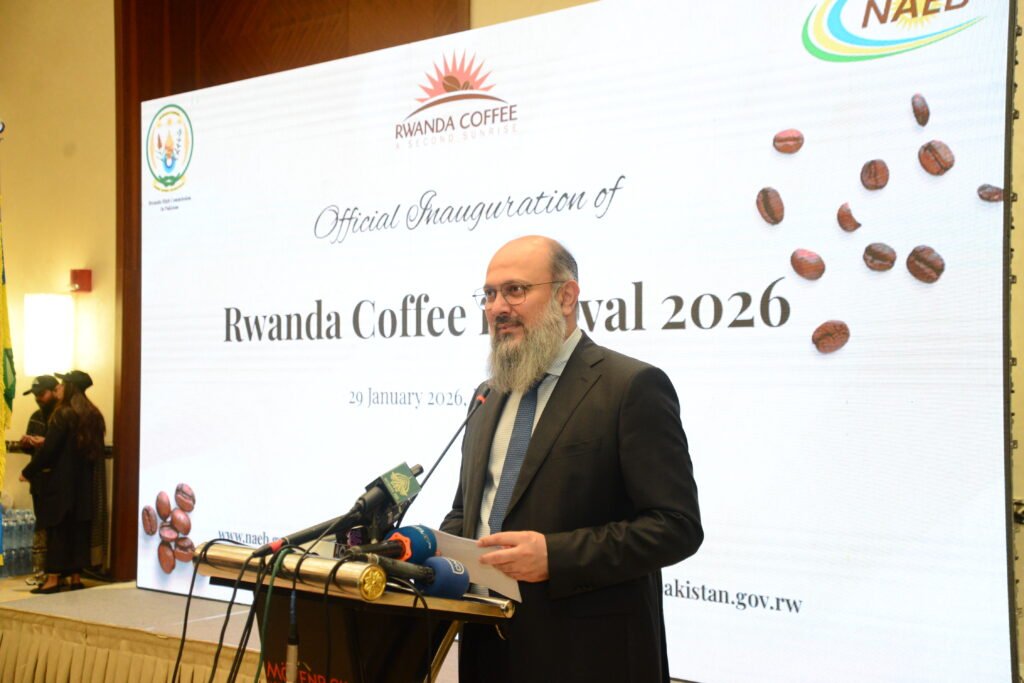
He also mentioned Pakistan’s Africa policy, acknowledging that the continent of over 50 countries and 1.5 billion people have so much to offer; in terms of food security, tourism potential, the world’s needs in minerals, and human resource. He added that Pakistani businessmen are already doing good business in Africa and Rwanda, and are keen to expand this.
Minister Jam Kamal Khan apprised the participants of the most recent single country exhibition in Ethiopia, and thanked the Rwandan Minister for sending delegations to the exhibition.
Minister Sebahizi, as he addressed the gathering, highlighted Rwanda’s transformation into a globally recognized producer of high-quality specialty Arabica coffee, attributing this success to innovation, rigorous quality standards, and sustainability-focused practices. He noted that Rwanda’s premium coffee, celebrated for its distinctive flavor profiles and sustainable production methods, presents a significant opportunity for introduction into Pakistan’s growing consumer market through direct sourcing and long-term commercial partnerships.
Minister Sebahizi further underlined that coffee is among Rwanda’s most valued exports, symbolizing the dedication of its farmers, the richness of its culture, and the excellence of its agricultural sector, while also emphasizing that Rwanda’s strategic location at the heart of Africa provides access to over 1.2 billion consumers through the African Continental Free Trade Area (AfCFTA).
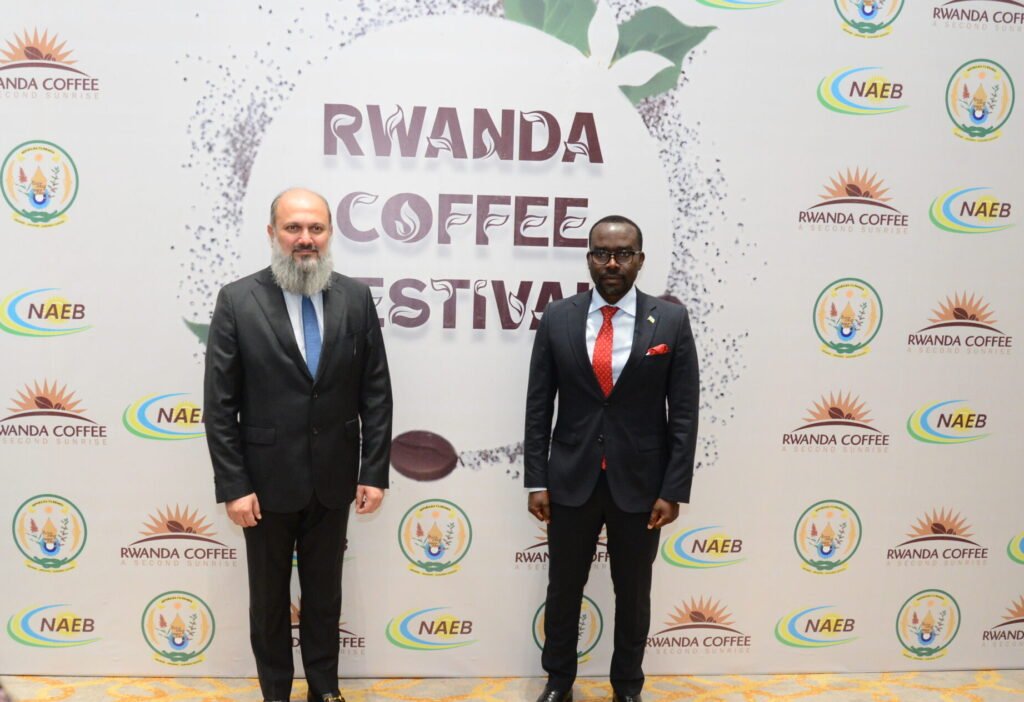
He said that the festival is a clear message to the Pakistani business community that Rwanda is open to business and investment, adding that the country offers a great transit route to reach other countries of the continent as well. He expressed hope that both countries will sign a Memorandum of Understanding (MoU) on trade.
In a heartfelt message to all people present, the Minister said that by each sip of coffee tasted today, Rwanda has chosen to share its story with Pakistan.
After these inaugural remarks, the exhibition opened for all people interested in visiting and tasting Rwanda’s coffee. Visitors enjoyed direct interactions with exporters, gaining insights into Rwanda’s coffee production, processing, and quality standards. The coffee tasting received strong appreciation from attendees, who noted the distinctive aroma, acidity, and complex flavor profiles of Rwandan coffee, highlighting its strong potential in Pakistan’s expanding specialty coffee market. The hall was filled with the aroma of coffee as the festival welcomed visitors until evening.
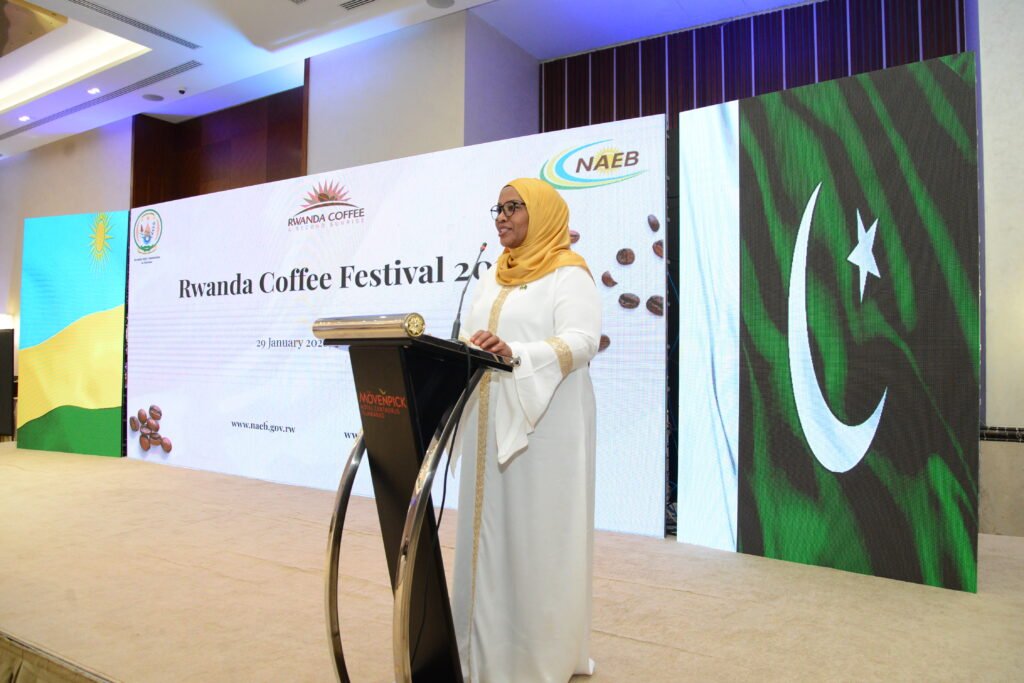
The evening session marked the formal segment of the festival, beginning with welcome remarks by Harerimana Fatou, High Commissioner of Rwanda to Pakistan. In her address, she formally introduced the high-level Rwandan delegation led by Prudence Sebahizi, Minister of Trade and Industry of Rwanda. She welcomed the Chief Guest, members of the diplomatic corps, ambassadors, high commissioners, senators, senior government officials, business leaders, and distinguished guests.
The High Commissioner highlighted the importance of organizing the Rwanda Coffee Festival in Pakistan for the first time and emphasized the role of South–South cooperation. She noted that coffee is central to Rwanda’s heritage and economy, being one of the country’s leading agricultural exports, and underscored that while Rwandan coffee is internationally recognized for its bright acidity and complex floral, citrus, and caramel notes, it remains a relatively new product for the Pakistani market.
She emphasized that the festival aimed to build upon the existing strong trade relationship between Rwanda and Pakistan, particularly in tea, by introducing Rwanda’s high-altitude specialty Arabica coffee and fostering direct engagement between producers and Pakistani importers, distributors, and investors. She further highlighted that the festival sought to strengthen cultural ties through documentary screenings, live demonstrations, cultural performances, and storytelling.
Remarks were then delivered by Sardar Yasir Ilyas, National Coordinator to the Prime Minister of Pakistan on Tourism, who highlighted the untapped tourism potential between the two countries and noted that initiatives such as the Rwanda Coffee Festival promote trade and investment as well as cultural understanding and people-to-people exchanges. He emphasized that Pakistan possesses significant potential to produce a wide range of high-quality goods; however, the primary gap lies in the availability of effective platforms and strategic marketing to showcase and connect these products with international markets.
He further noted that beyond coffee, there exist substantial opportunities for collaboration between Pakistan and Rwanda across multiple sectors, and stressed the importance of leveraging institutional partnerships and private-sector engagement to unlock this broader cooperation.
A documentary was then screened featuring the journey of Rwanda’s coffee as it stood the test of time and history. The people behind the coffee production, farmers and their families, featured prominently in the documentary. It also shed light on how the government has and is streamlining and facilitating coffee production, and making systems for it to reach far away countries of the world.
As the documentary wrapped up, Claude Bizimana – the Chief Executive Officer of NAEB, delivered a keynote presentation outlining the policy-driven transformation of Rwanda’s coffee sector. He emphasized that Rwanda’s ability to produce world-class specialty coffee is rooted in strong government policies, good agricultural practices, sustainable farming, and effective partnerships across the value chain. He highlighted that Rwanda’s engagement with Pakistan was driven by the objective of establishing direct trade linkages and understanding the specific needs of the Pakistani market.
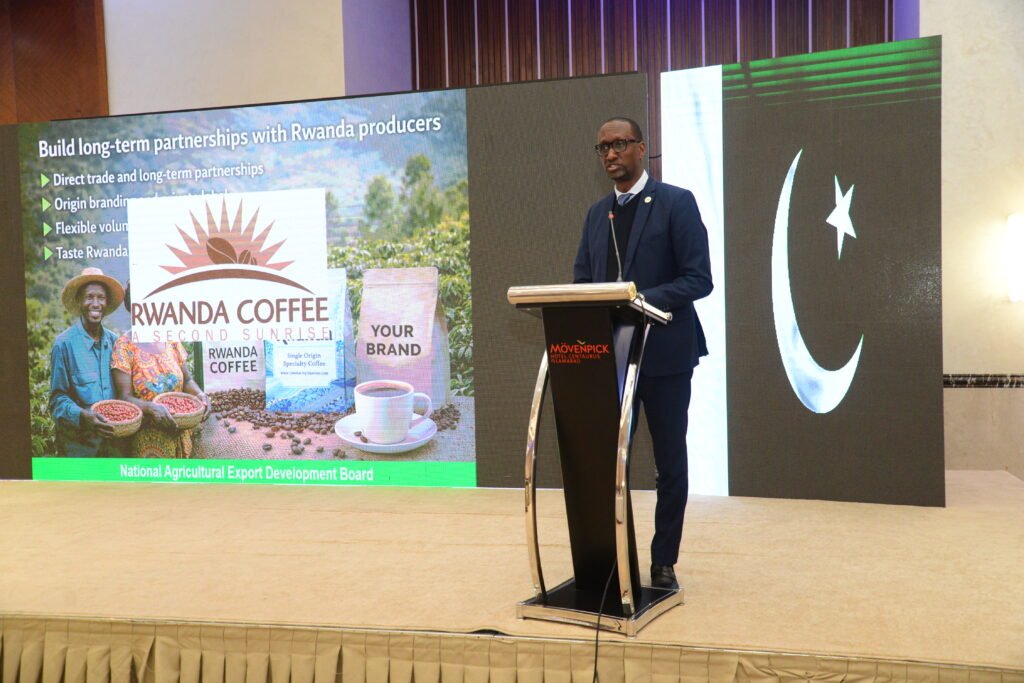
He underscored three core pillars of Rwanda’s coffee offering: exceptional quality, traceability and authenticity of origin, and trust. He further highlighted opportunities for direct sourcing, joint ventures, co-branding, and the potential for Pakistani branding on Rwandan coffee packaging while preserving single-origin identity. He invited Pakistani businesses to participate in the upcoming African Coffee Exhibition in Kigali in 2026 and reiterated Rwanda’s openness to broader investment collaboration.
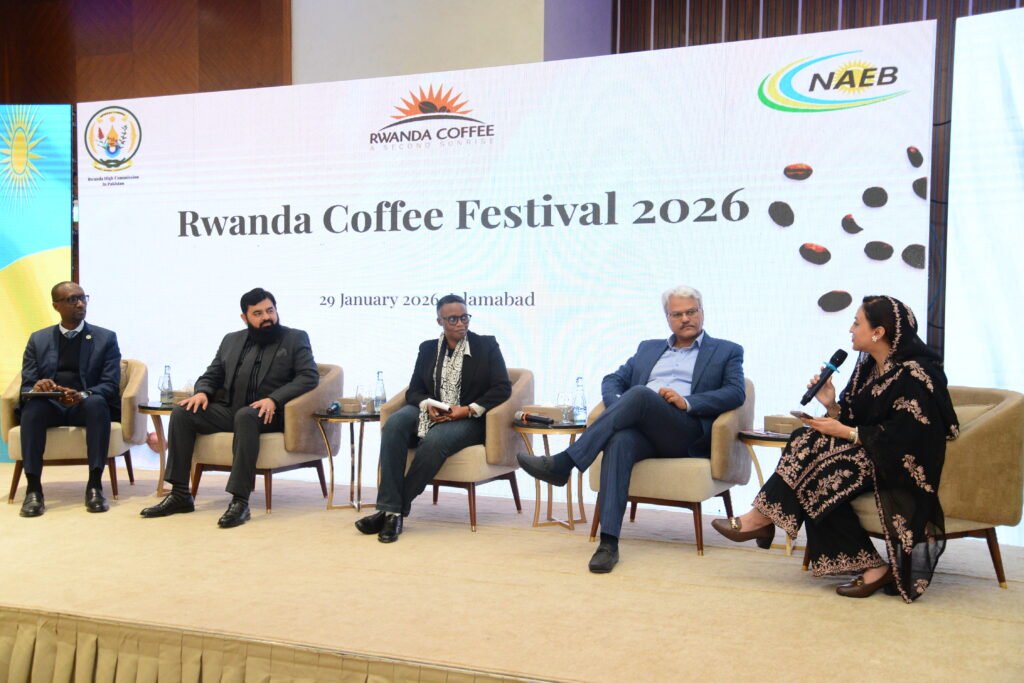
The panel discussion then constituted a key component of the evening session and focused on practical pathways for expanding the presence of Rwandan specialty coffee in the Pakistani market. The panel comprised:
- Claude Bizimana, Chief Executive Officer of the National Agricultural Export Development Board (NAEB)
- Muhammad Rehan Younas, a Pakistani coffee importer
- Angelique Karekezi, a Rwandan coffee exporter
- Zaki Aijaz, Regional Chairman and Vice President of FPCCI.
The panel discussion was moderated by Dr. Farhat Asif – Chairperson of Diplomatic Insight Group (DIG) and President of the Institute of Peace and Diplomatic Studies (IPDS).
Together, the panel represented the full spectrum of the coffee value chain, from production to market access. The discussion centered on market entry requirements, quality standards, logistics, branding, and sustainable partnership models, with particular emphasis on establishing direct exporter–importer linkages to ensure traceability, consistency, and trust.
Panelists highlighted that Rwanda’s specialty Arabica coffee derives its distinctive cup profile from an integrated value chain approach encompassing good agricultural practices at the farm level, skilled processing, strict quality control, and sustainability-focused policies. The importance of certifications and premium market access was underscored, particularly in terms of improving farmers’ incomes and ensuring long-term sustainability of the sector. It was emphasized that Rwanda’s coffee offering is not limited to a product alone but represents a comprehensive quality story, from seed to export, backed by strong institutional support and transparent trade practices.
It was emphasized by Pakistani stakeholders that the country has a strong and expanding consumer base for specialty coffee, supported by a growing hospitality, retail, and food services sector. It was noted that the country possesses significant production capacity, entrepreneurial talent, and an active private sector; however, the primary constraint lies in the absence of structured platforms and targeted marketing mechanisms to effectively connect international producers with Pakistani importers, roasters, retailers, and end consumers.
Panelists highlighted the important role of business chambers, trade associations, and sectoral bodies in addressing this gap by facilitating business-to-business linkages, organizing market entry support, and engaging with government institutions on trade facilitation measures. It was further emphasized that such institutional coordination would be critical not only for the coffee trade but also for expanding bilateral collaboration between Pakistan and Rwanda across other priority sectors.
The panel further explored opportunities for collaboration beyond conventional trade, including joint ventures, co-branding initiatives, and the possibility of Pakistani branding on Rwandan coffee products while maintaining single-origin authenticity. Participants also discussed the potential for broader Rwanda–Pakistan cooperation beyond coffee, noting opportunities across agribusiness, hospitality, retail, and related value-added sectors. The discussion concluded with a shared view that structured engagement, direct trade relationships, and sustained institutional support would be essential to translating the strong interest demonstrated at the Rwanda Coffee Festival into long-term, mutually beneficial commercial partnerships.
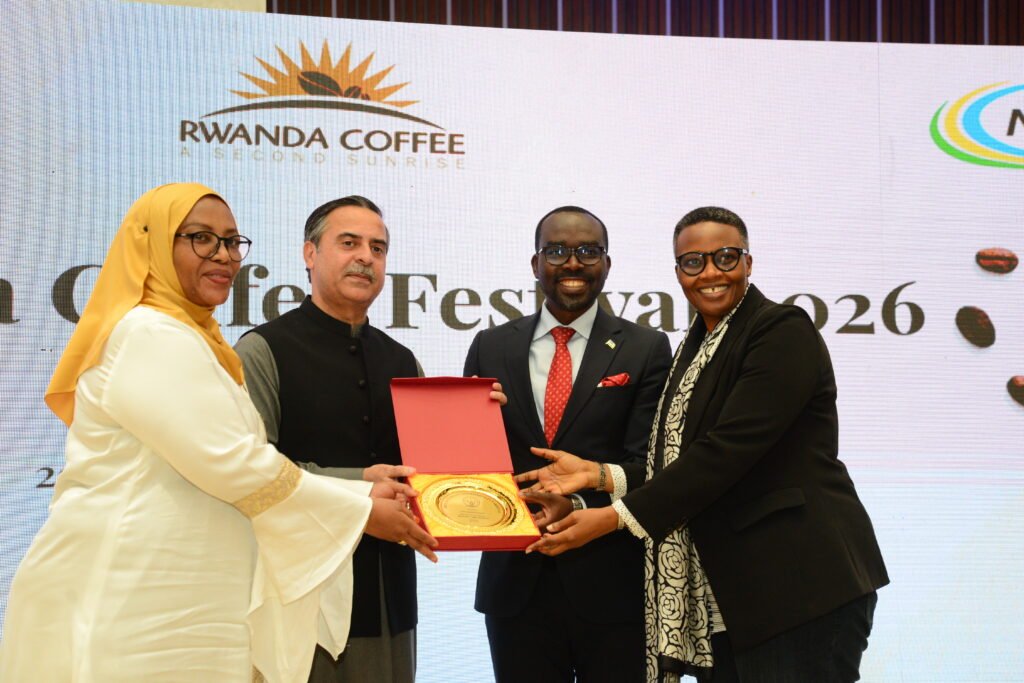
As the panel closed, Senator Mushahid Hussain Sayed, in his remarks, commended Rwanda’s remarkable recovery and transformation, describing the country as a global success story. He praised the visionary leadership of President Paul Kagame and highlighted Rwanda’s achievements in economic development, innovation, and trade. He stressed the importance of strengthening Pakistan–Rwanda relations through enhanced collaboration in trade, investment, and knowledge exchange.
In his address, Prudence Sebahizi, Minister of Trade and Industry of Rwanda, expressed appreciation for the strong participation and praised Pakistan’s warm hospitality. He emphasized Rwanda’s business-friendly environment and its strategic position as a gateway to Africa, providing access to a market of nearly 1.5 billion consumers through the African Continental Free Trade Area. The Minister highlighted Rwanda’s interest in expanding bilateral trade beyond coffee, particularly through the import of Pakistani rice, textiles, and pharmaceutical products, noting the strong reputation and popularity of Pakistani Basmati rice in Rwanda.
He underscored that Rwanda’s specialty coffee quality is the result of an integrated value chain approach, involving farmers, cooperatives, private processors, and government institutions, supported by certifications, sustainability initiatives, and premium market access that directly benefit farmers. He encouraged Pakistani importers, roasters, and investors to explore long-term partnerships and direct trade arrangements with Rwanda.
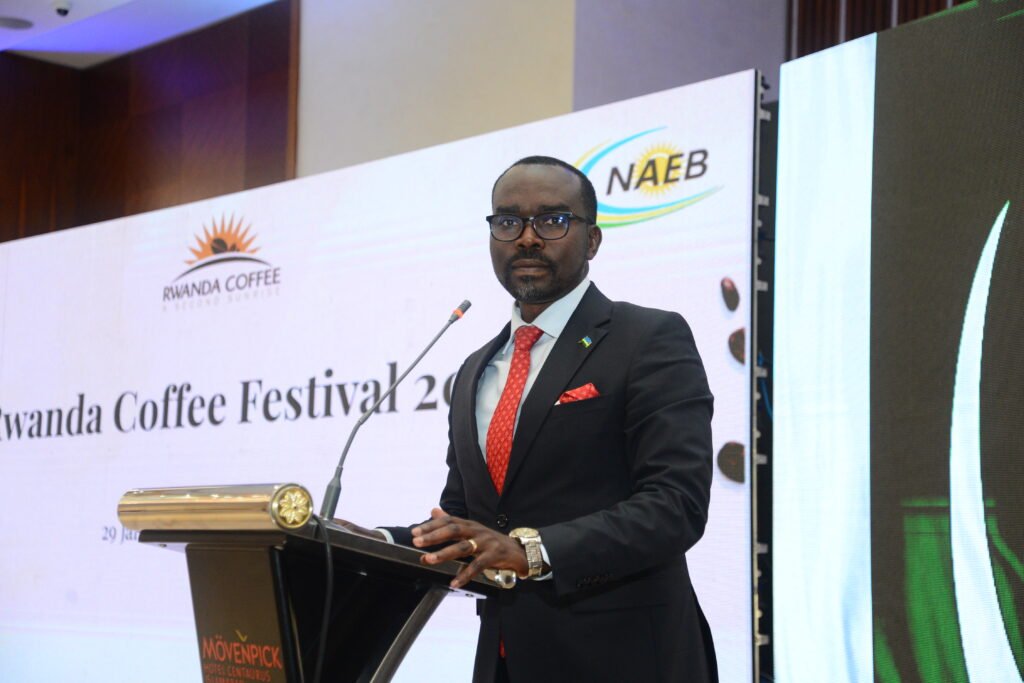
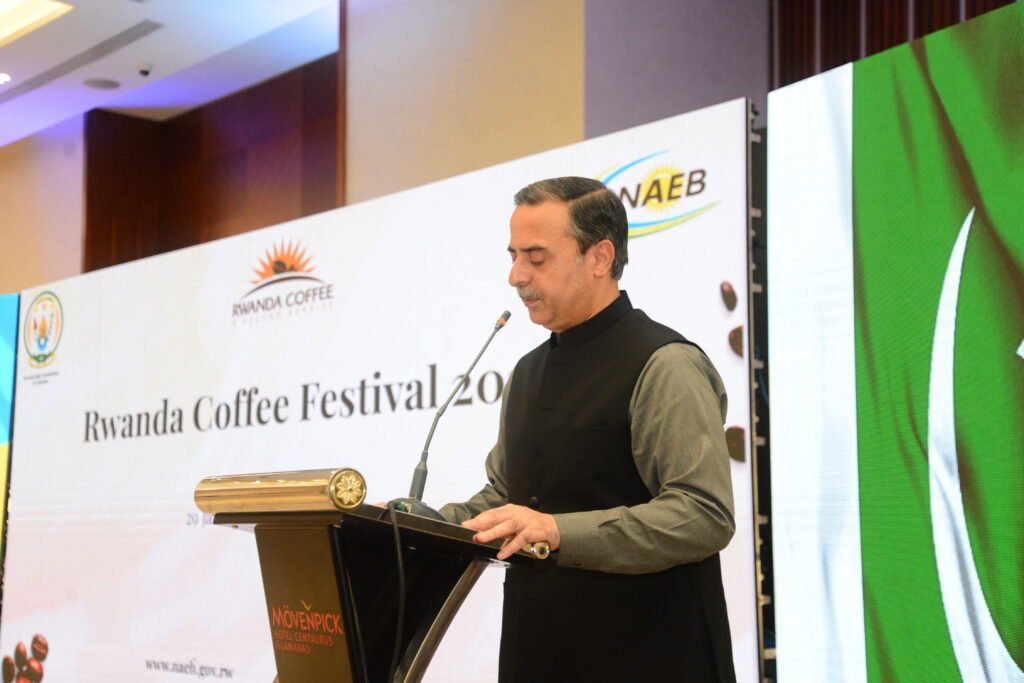
The evening session was further graced by Muhammad Junaid Anwar, Federal Minister for Maritime Affairs of Pakistan, who attended as the Chief Guest. In his remarks, he highlighted the concept of coffee diplomacy as a means to strengthen bilateral relations and emphasized the importance of maritime connectivity in facilitating trade, diversifying supply chains, and fostering long-term economic cooperation between Rwanda and Pakistan.
The evening concluded with a vibrant Rwandan cultural dance performance, offering participants insight into Rwanda’s rich cultural heritage and reinforcing the festival’s broader objective of strengthening cultural ties alongside economic cooperation. The performance reinforced the festival’s broader objective of strengthening cultural ties alongside economic engagement.
The Rwanda Coffee Festival 2026 was attended by a large and diverse audience comprising diplomats, senior government officials, members of parliament, business leaders, investors, coffee professionals, media representatives, and members of civil society. The High Commission of Rwanda expressed confidence that the successful hosting of the festival would serve as a catalyst for sustainable commercial partnerships and further strengthen trade, investment, and cultural relations between Rwanda and Pakistan.

Established in December 2008, The Diplomatic Insight is Pakistan’s premier diplomacy and foreign affairs magazine, available in both digital and print formats.






