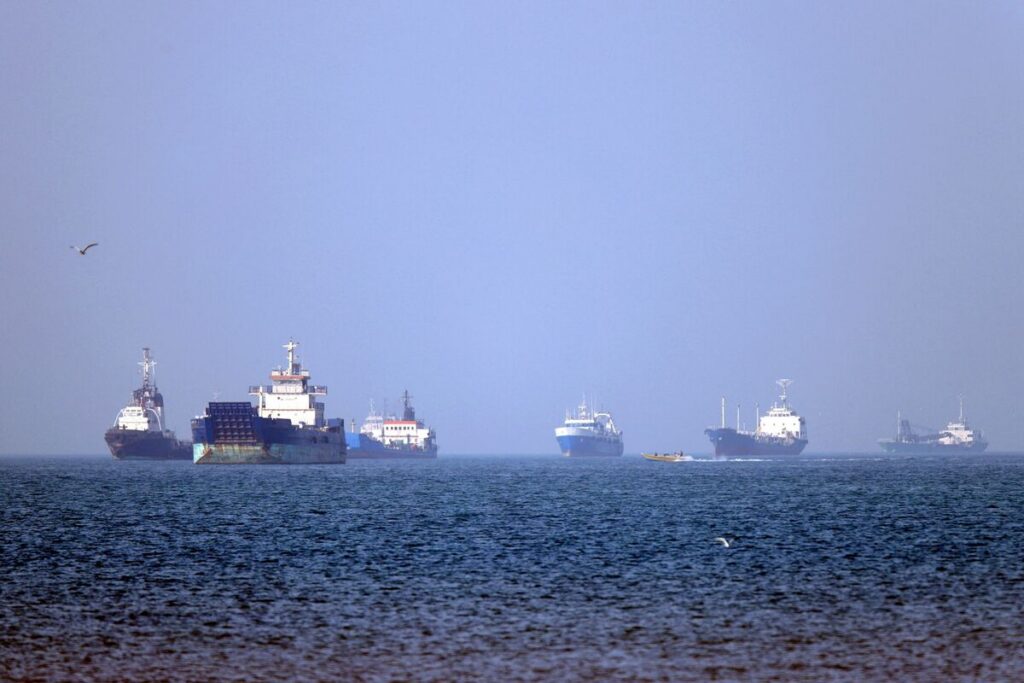
Doha (TDI): Qatar has warned that continued disruption in the Strait of Hormuz is constraining liquefied natural gas operations and could begin affecting the timetable of major expansion projects, highlighting the growing economic consequences of the regional security crisis.
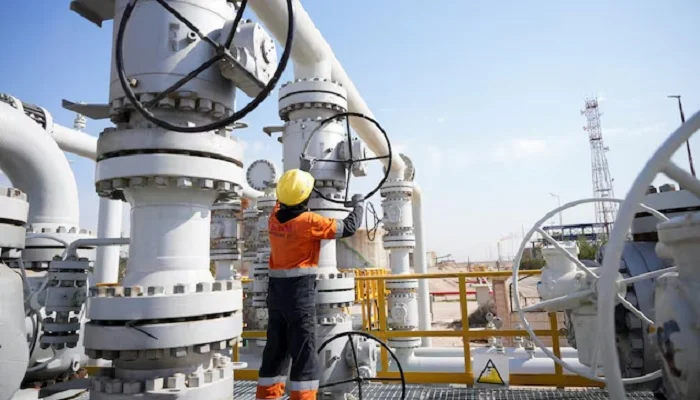
QatarEnergy chief, Saad Sherida Al-Kaabi, said the country is currently producing only a very limited volume of LNG as shipping restrictions, logistical disruptions and difficulties bringing critical equipment into Qatar continue to affect operations.
He also cautioned that some planned expansion work could face delays if access through the strait does not improve. Qatar’s North Field expansion remains central to its long-term energy strategy, with the first major new production expected in 2027, but the current crisis has exposed how even large-scale energy infrastructure remains dependent on secure maritime access.
As one of the world’s largest LNG exporters, the country plays a central role in supplying energy markets in Asia and Europe.
Any prolonged disruption to Qatari output could place additional pressure on global LNG prices, increase competition for alternative cargoes and complicate energy planning for countries that depend heavily on seaborne gas imports.
Read More: Pakistan Receives Qatari LNG Cargo Amid Rising Hormuz Tensions
The crisis also demonstrates the strategic importance of the Strait of Hormuz, despite repeated suggestions that alternative pipelines and export routes could reduce its relevance.
For Qatar, the issue is not simply the ability to move LNG tankers through the waterway, but the wider logistics chain that supports production, maintenance and expansion. Equipment, technical supplies and shipping services are all affected when access becomes restricted.
The disruption also strengthens the argument being made by Gulf governments that freedom of navigation through Hormuz should be treated as a global economic security issue rather than only a regional military dispute.
The strait remains essential to the movement of oil, LNG and other critical commodities, and instability there has direct consequences for energy markets worldwide.
Qatar has indicated that production could recover relatively quickly once normal access is restored, but the current situation shows how prolonged conflict can create effects that extend well beyond immediate shipping delays.
For Doha, the priority is increasingly both diplomatic and economic: supporting de-escalation while protecting the continuity of an energy sector that remains central to the country’s global influence and long-term development plans.

Anoush Taimur is an International Relations graduate from DHA Suffa University, Karachi, currently based in Doha. Her research interests include Gulf politics, small-state diplomacy, Global South studies and conflict
mediation. Her work examines how states create influence through connectivity, institutions and strategic relationships. She can be reached at [email protected]