Islamabad (TDI): Pakistan’s National Assembly Women’s Parliamentary Caucus (WPC) has turned attention to a question that often gets less scrutiny than the laws themselves: who pays for preventing gender-based violence, and can anyone trace where the money goes?
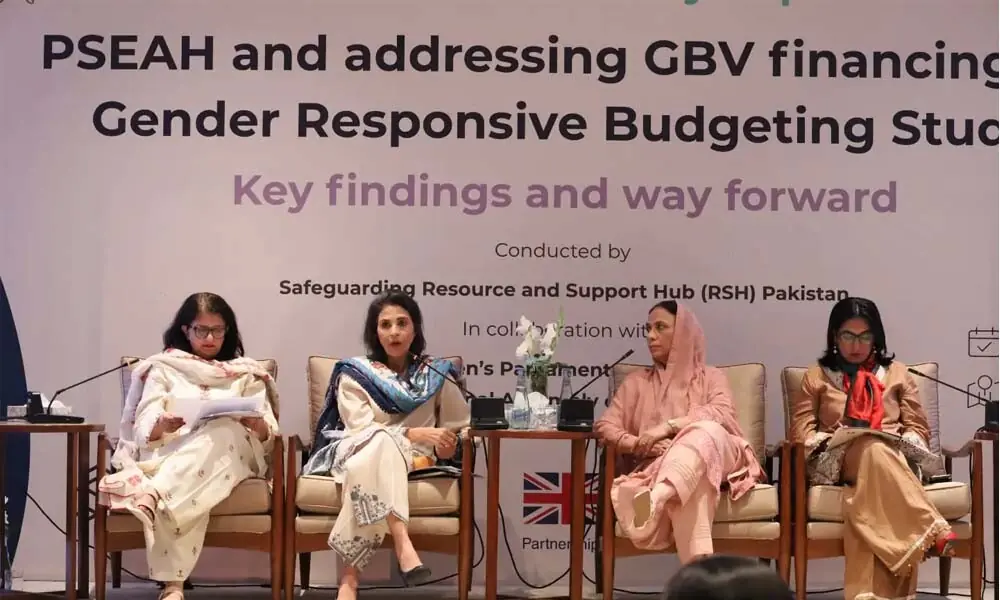
On Tuesday, the caucus launched the summary findings of its Safeguarding and Addressing Gender-Based Violence (GBV) Financing Study at an event in the capital. According to a statement issued afterwards, the findings highlight the need for greater transparency in funding and stronger institutional accountability.
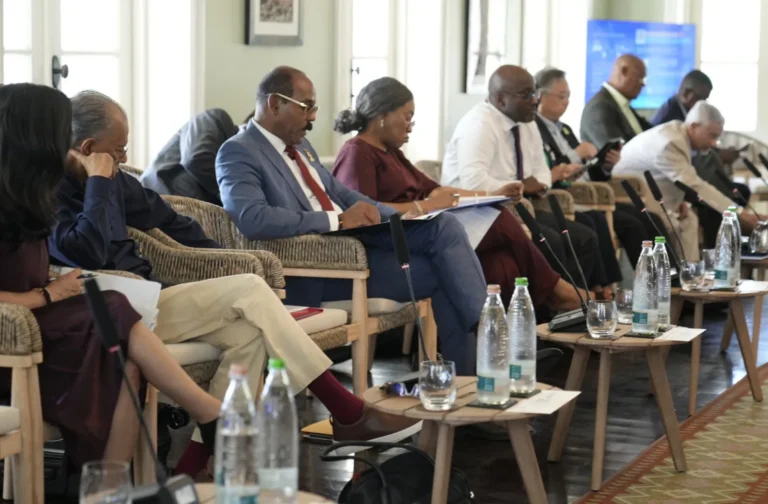
The launch was held with the Safeguarding Resource and Support Hub (RSH) Pakistan. It brought together parliamentarians, safeguarding practitioners, development partners, gender experts and other stakeholders. Discussions centered on four areas: the visibility and traceability of funds, institutional accountability, gender-responsive budgeting and parliamentary oversight.
WPC Secretary and Member of National Assembly, Dr. Shahida Rehmani, stressed the importance of evidence-based engagement by parliamentarians in strengthening institutional responses to GBV. Strong legislation alone is not enough, she said. Policy becomes action only when backed by institutional commitment, adequate resources and mechanisms that hold institutions accountable.
Asma Kiran, country lead of RSH Pakistan, argued that money allocated to safeguarding and GBV prevention should be made more visible and more open to institutional scrutiny.
The keynote address was delivered by Fauzia Viqar, ombudsperson at the Federal Ombudsperson Secretariat for Protection Against Harassment (FOSPAH), who spoke on turning evidence into prevention, response and oversight. Viqar said a policy framework is only as effective as its consistent implementation and the accountability of the institutions responsible for it.
Participants also discussed how existing processes could better support institutional action, accountability and the delivery of safeguarding commitments.