United Nations (TDI): Pakistan has strongly condemned India’s unilateral suspension of the Indus Waters Treaty (IWT), warning that such actions could set a dangerous precedent for “resource-based coercion” in global affairs.
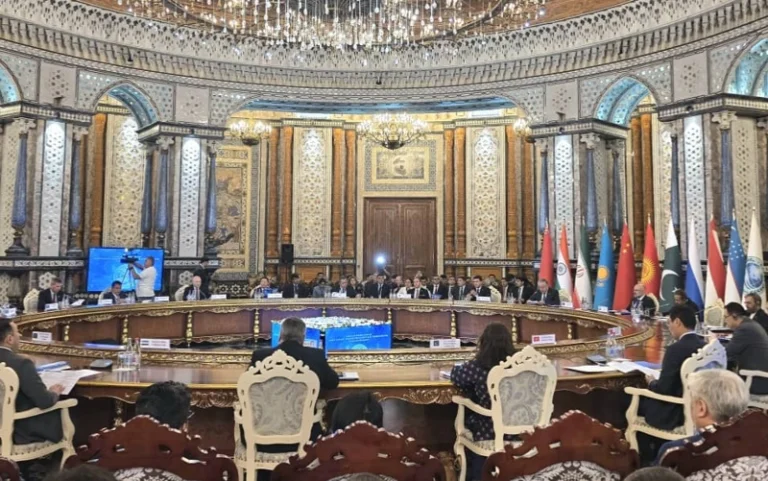
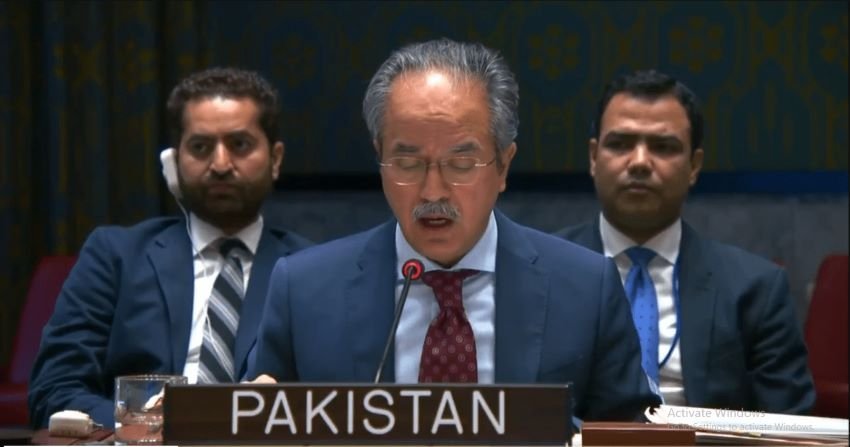
Speaking at a session of the UN Security Council, Pakistan’s Permanent Representative Ambassador Asim Iftikhar Ahmad cautioned against what he described as the “weaponisation of shared natural resources.” He said India’s suspension of the long-standing water-sharing pact undermines decades of regional cooperation and poses risks to millions of people who rely on the Indus Basin for their survival.
“For over sixty years, this treaty has stood as a rare model of cooperation, ensuring a fair and predictable sharing of the Indus Basin’s waters, even in the most difficult of times,” the envoy said. “India’s unlawful, unilateral decision violates the letter and spirit of the agreement, disrupts vital data-sharing, threatens ecosystems, and jeopardizes food and energy security across the region.”
Ambassador Asim warned that India’s move should concern the entire international community. “Such acts do not harm one nation alone; they erode confidence in international water law and pave the way for resource-based coercion elsewhere,” he remarked.
He reaffirmed that the IWT contains no provision allowing unilateral suspension or alteration, calling for “a full return to treaty compliance and normal functioning through established mechanisms.”
The Pakistani envoy also drew attention to the broader link between environmental degradation and global peace. He urged the UN and member states to adopt preventive measures that integrate environmental factors into conflict prevention, peacekeeping, and post-conflict recovery efforts.
Read More: Zardari Rejects India’s IWT Violation, Warns Against Weaponizing Water
“Environmental damage in conflict zones is not just collateral; it can be a direct driver of instability,” he said, calling for collective action toward ecological restoration and responsible management of shared resources.
Signed in 1960, the Indus Water Treaty allocates three western rivers, the Indus, Jhelum, and Chenab, to Pakistan, and three eastern rivers, the Ravi, Beas, and Sutlej, to India. The agreement has long been hailed as a cornerstone of regional water diplomacy.
Read More: Pakistan’s UN Mission Event Highlights Grave Humanitarian Fallout of India’s IWT Suspension
Tensions escalated earlier this year when New Delhi placed the treaty “in abeyance” following a deadly attack on tourists in Pahalgam, which India blamed on Pakistan without evidence. Islamabad termed the move an “act of war” and took the dispute to the Permanent Court of Arbitration (PCA) in The Hague.
In June, the PCA affirmed its jurisdiction and ruled that India could not suspend the treaty or modify the design of its hydropower projects on western rivers at will. The court reiterated that India must allow the rivers to “flow freely” for Pakistan’s unrestricted use, in line with the treaty’s original terms.