Islamabad (TDI): Pakistan has emerged as a key player in a quiet but significant diplomatic effort alongside Turkiye and Egypt, as backchannel contacts between the United States and Iran appear to gather momentum amid the ongoing conflict.
Now in its fourth week, the US-Israel war against Iran has entered a sensitive phase, with officials indicating that coordinated engagement by the three countries helped secure a temporary pause in planned US strikes on Iran’s energy infrastructure.
US President Donald Trump announced the delay on Monday, describing recent interactions with Tehran as “very good and productive” and expressing hope for a broader resolution. The pause, however, is limited in scope, applying only to attacks on major energy and power facilities, while hostilities continue elsewhere.
Sources familiar with the developments say the diplomatic effort goes beyond symbolic messaging, Dawn reported. “Turkiye, Egypt and Pakistan are not just issuing statements, they are actively working to bridge the gap between Washington and Tehran,” one official said.
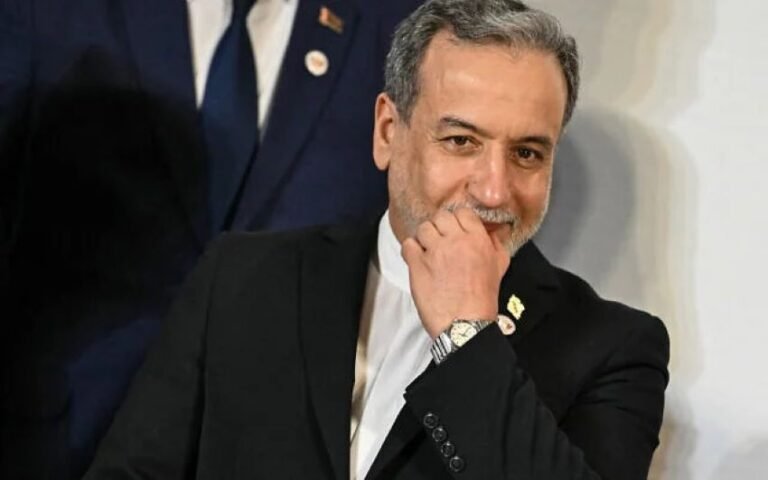
Reports by international outlets suggest that senior officials from the three countries have been separately engaging with US Special Envoy Steve Witkoff and Iranian Foreign Minister Abbas Araghchi, relaying positions between the two sides. The communication remains indirect, with no formal contact confirmed between Washington and Tehran.
Read More: China Condemns Killing of Iranian Leaders, Civilian Attacks Amid Escalating Conflict
Officials described the coordination between Ankara, Cairo, and Islamabad as a “functional diplomatic channel,” highlighting the role of regional cooperation in reducing tensions. Pakistan, in particular, has reportedly been passing messages between the two sides for some time, with its role intensifying as fears of escalation around energy routes and the Strait of Hormuz grew.
“Pakistan is positioning itself as a stabilising force in the region, using its diplomatic reach to shift the focus from confrontation toward dialogue,” a source said.
Beyond securing a pause, discussions have reportedly centred on broader de-escalation, reopening critical energy routes, and exploring a potential pathway to end the conflict.
Iran has acknowledged receiving messages through “friendly countries” but maintains that its stance remains rooted in core principles. Publicly, Tehran has denied engaging in any direct or indirect negotiations with Washington, insisting that any resolution must include guarantees against future attacks, compensation for damages, and recognition of its rights.
Despite these denials, US officials believe the backchannel exchanges helped create space for the temporary halt in strikes. “Quiet diplomacy is often the most effective path to de-escalation,” one source noted.
Pakistan’s Active Engagement
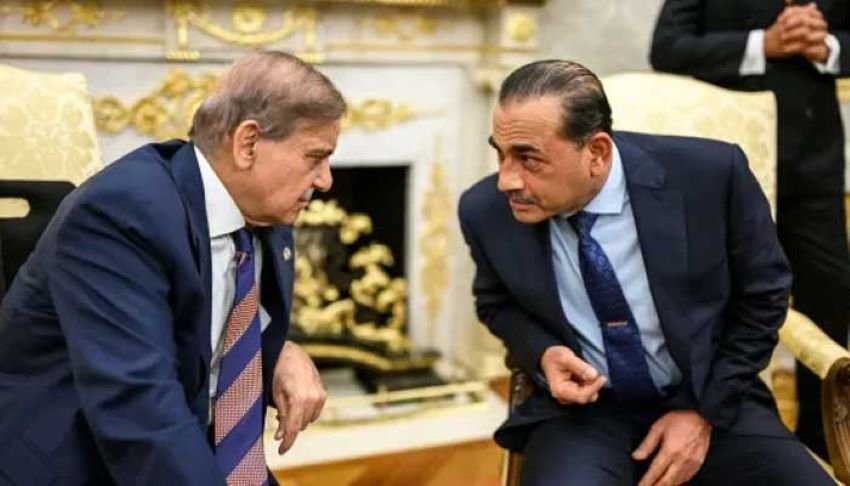
In Islamabad, the developments are being seen as a validation of Pakistan’s diplomatic approach. Prime Minister Shehbaz Sharif, in a recent call with Iranian President Masoud Pezeshkian, expressed concern over the escalating conflict and stressed the need for dialogue and collective efforts to reduce tensions.
The Prime Minister also highlighted the importance of unity within the Muslim world and reaffirmed Pakistan’s willingness to play a constructive role in promoting peace.
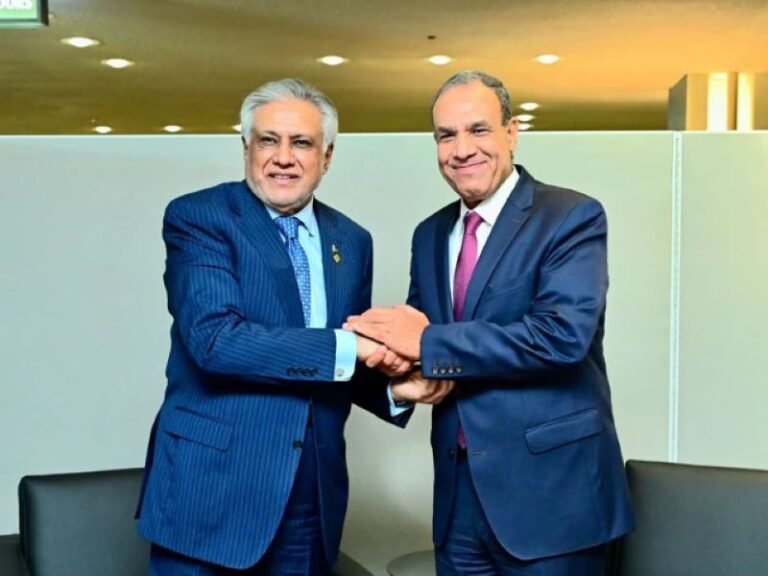
Separately, Deputy Prime Minister and Foreign Minister Ishaq Dar held talks with his Iranian counterpart Abbas Araghchi, emphasizing diplomacy as the only viable path to regional stability.
There are also unconfirmed reports suggesting that President Trump spoke with Pakistan’s Chief of Army Staff, Field Marshal Asim Munir, around the time the delay in strikes was announced, though no official confirmation has been issued.
Read More: The MAGA Paradox: Anti War Rhetoric, Pro War Reality in Trump’s Iran Policy
Speculation is also growing that Pakistan could host potential talks between US and Iranian officials, particularly after hints from Washington about further discussions in the coming days.
While no formal announcement has been made, Pakistan’s Foreign Office has indicated openness to the idea. “If the parties desire, Islamabad is always willing to host talks,” a spokesperson said, reiterating the country’s consistent position in favour of dialogue.
Iranian officials, however, have described such reports as speculative. Still, analysts say the coordinated diplomatic push by Pakistan, Turkiye, and Egypt highlights the increasing importance of regional actors in managing global crises, offering a potential pathway away from escalation and toward negotiated solutions.