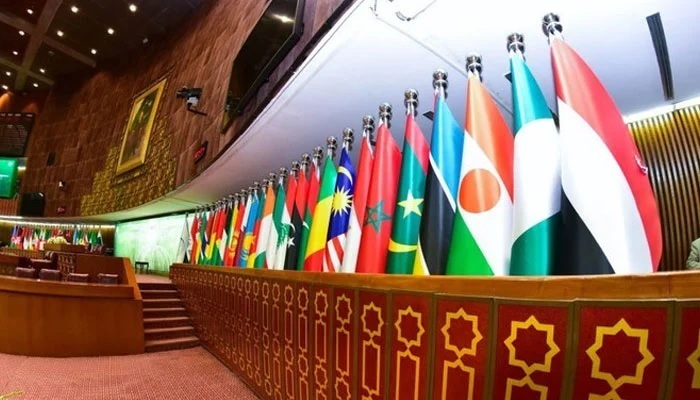
Islamabad (TDI): Pakistan’s State Minister for Law, Aqeel Malik, placed the rights of Afghan women at the top of the agenda for a two-day Organization of Islamic Cooperation (OIC) summit underway in Islamabad.
He called the situation facing women and girls in Afghanistan an “alarming” test of the Muslim world’s collective conscience.
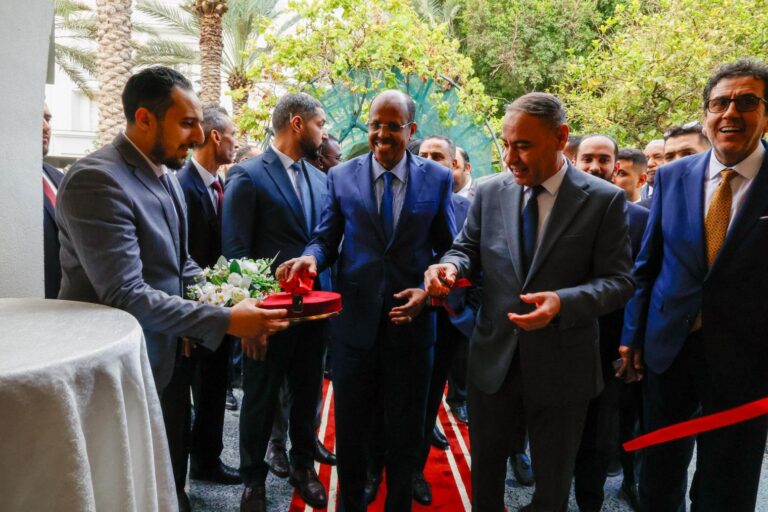
Pakistan is hosting delegates from all 57 OIC member states for the 9th OIC Ministerial Conference on Women, running July 12-13 under the theme “Socio-Economic and Political Empowerment of Women in the OIC Countries: Challenges and the Way Forward.”
Since seizing power in 2021, the Taliban have barred girls from secondary and higher education, restricted women from public spaces including parks, and pushed them out of the judiciary and public office.
Malik told Arab News that Afghan diplomatic representatives were expected to attend the summit, and he expressed confidence that the conference’s final resolution would directly address the crackdown.
“You really need to see the plight of those girls in Afghanistan because they are banned from attending schools and classes. This is an alarming situation,” Malik said, arguing the OIC must use its collective diplomatic weight to push for change.
Read More: Pakistan to Host 9th OIC Ministerial Conference on Women on July 12–13
According to UNICEF, the ban on secondary education for girls has already deprived 2.2 million Afghan girls of schooling as of 2025; a figure that could surpass 4 million by 2030 if the policy remains in place.
Malik framed the summit as more than a symbolic gathering, saying discussions needed to move beyond rhetoric toward practical steps for integrating women into mainstream economic and political life.
He pointed to Saudi Arabia’s Vision 2030 reforms as a model for the rest of the Muslim world, noting that Pakistan and Saudi Arabia are working together to set benchmarks other OIC nations could follow.
“With Saudi Arabia’s Vision 2030, there have been a lot of positive changes over the past several years, and women are now in the mainstream departments,” he said.
The minister added that women across OIC countries are already leading in sectors such as technology and finance, but said true parity requires “meaningful inclusion” rather than “token inclusion” across all walks of life.
Malik also invoked religious grounding for the push, saying Islamic scripture affords women extensive rights that member states must better translate into daily practice, including dignity, respect and full inclusion in society.
The conference is expected to conclude with a resolution incorporating shared best practices from member states alongside a formal call addressing the restrictions faced by Afghan women and girls.