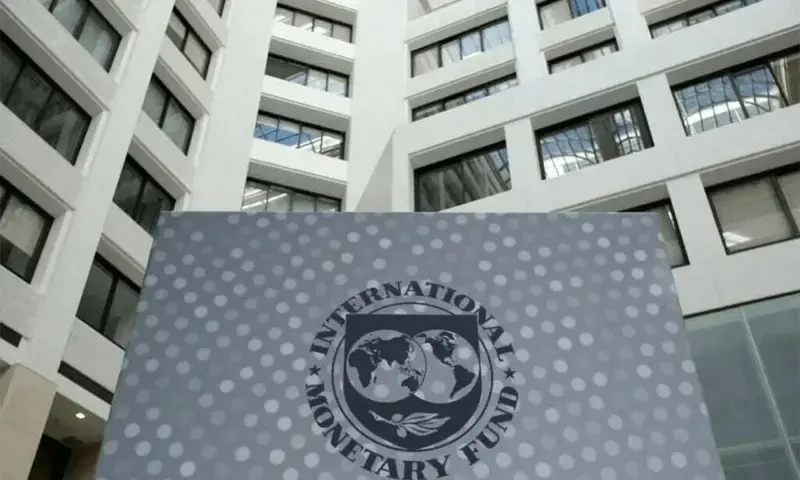
Islamabad (TDI): Pakistan and the International Monetary Fund have reached broad agreement on the fiscal and monetary framework for the next budget year, committing to a tight money policy and an ambitious revenue drive.
Following a week-long mission to Islamabad from May 13 to 20, the IMF said discussions would continue virtually before the two sides can formally sign off on the FY2026-27 budget plan.
The centerpiece of the agreement is a pledge to keep fiscal consolidation on track. Pakistan’s authorities reaffirmed their commitment to achieving a primary budget surplus of 2 per cent of GDP in FY2027, a target the IMF described as essential to supporting fiscal sustainability and building economic resilience.
The government is also expected to broaden the tax base and improve spending efficiency at both federal and provincial levels.
On the monetary side, the State Bank of Pakistan reiterated its commitment to maintaining an appropriately tight monetary policy stance to anchor inflation expectations, and said it would closely monitor potential second-round effects from energy price increases.
Read More: Pakistan’s Foreign Reserves Strengthened by $1.3 Billion IMF Disbursement
The IMF also called for continued exchange rate flexibility as a key shock absorber, alongside efforts to deepen the foreign exchange interbank market.
The revenue targets agreed upon are steep. Federal and provincial governments are together expected to raise over Rs860 billion in additional revenue under the FY27 budget, with the Federal Board of Revenue’s target set at Rs15.264 trillion.
The provinces have committed to boosting collections from the GST on services and agricultural income tax, and are expected to surrender a cash surplus equivalent to 1.4 per cent of GDP to the Centre.
Total federal revenues for FY27 are estimated at Rs17.144 trillion, while interest payments are projected to reach Rs7.8 trillion and defense expenditure is set to rise to Rs2.665 trillion.
Read More: Aurangzeb, IMF Mission Discuss Budget Planning and Reform Progress
There are some concessions on the social side. The government plans to increase Benazir Income Support Program payments to Rs18,000 per family, up from Rs14,500 at present.
The IMF estimated Pakistan’s external financing needs for the coming year at $21.2 billion, with projected available financing of $21.9 billion from bilateral, multilateral and capital market sources.
The talks also touched on structural reforms in the energy sector and state-owned enterprises, as well as market liberalization in wheat and sugar.
Power sector subsidies have been capped at Rs830 billion for FY27; more than Rs200 billion lower than the current year’s allocation.
The next IMF mission, expected to include the Article IV consultation alongside reviews under the Extended Fund Facility and the Resilience and Sustainability Facility, is planned for the second half of 2026.