The recent increase in petrol prices in Pakistan has sparked considerable anxiety, but viewing it purely as an economic issue ignores the wider reality. The rise in fuel prices is merely a symptom of greater structural flaws stemming from geopolitics, energy reliance, and policy stagnation.
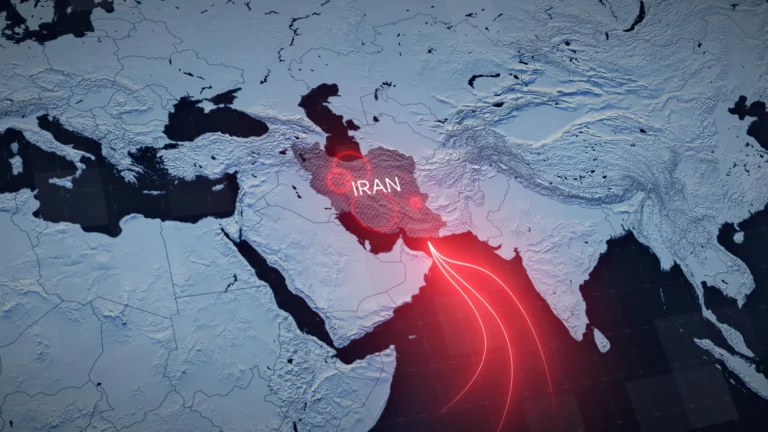
At the heart of this problem is the strategic volatility of the Strait of Hormuz, a crucial maritime waterway whose disruption has once again exposed Pakistan’s frail energy security framework.
The Strait of Hormuz is one of the most important arteries in the global energy system, supporting a large portion of oil transportation. Any instability in this corridor, whether caused by military tensions, limited travel, or increased risk perceptions, has immediate ramifications for global markets. The current crisis, fueled by tensions between Iran and the United States, has not resulted in a total closure, but it has dramatically altered operational reality.
Shipping activity has become curtailed, insurance prices have risen dramatically, and vessel movement is becoming more selective. These disruptions diminish supply efficiency and cause uncertainty in global markets.
Even without a full shutdown, such conditions are sufficient to cause significant rises in oil prices, demonstrating the vulnerability of global energy flows to geopolitical instability.
Pakistan’s Structural Vulnerability
Pakistan’s exposure to this dilemma stems from its reliance on imported fuels. A significant portion of these imports come from Gulf producers, rendering the country heavily reliant on supply channels that cross via the Strait. This dependence generates a situation known as chokepoint vulnerability, in which breakdowns in faraway places translate directly into domestic economic hardship.
Unlike larger economies with diverse supply lines and strategic petroleum reserves, Pakistan runs with few safeguards. This lack of resilience exacerbates the impact of external shocks, making the country especially sensitive to volatility in international energy markets.
The propagation of global disruptions to domestic fuel prices follows a consistent pattern. Rising geopolitical tensions drive up global oil prices, while rising dangers along marine routes raise shipping and insurance costs. These higher costs are transferred up the supply chain.
Read More: Bangladesh Imposes Energy-Saving Measures as Iran War Disrupts Fuel Supplies
Currency depreciation has exacerbated the situation in Pakistan. Because oil imports are paid in foreign currency, a weaker rupee greatly raises the cost burden. This results in a compounding effect, in which global price hikes and domestic currency pressures reinforce one another. Government levies and taxes, formed by fiscal limitations, drive up retail prices and increase the burden on consumers.
While external circumstances have an important influence, the severity of the crisis reflects long-standing policy flaws. Pakistan’s approach to energy has historically been reactive, viewing it as a short-term economic problem rather than a strategic imperative. This has led in minimal diversification, insufficient investment in refining capacity, and a lack of long-term strategy.
The lack of a robust energy security framework has left the country unable to handle geopolitical shocks. At the same time, fiscal restrictions and international financial commitments limit the government’s capacity to give long-term subsidies. These structural limits expose the flaws of short-term crisis management and emphasize the need for a more strategic strategy.
Policy Recommendations
Addressing Pakistan’s energy vulnerability requires a multi layered strategy that balances immediate relief with long term reform. In the short term, the government should focus on targeted support mechanisms to protect vulnerable sectors such as public transport and essential goods supply chains. Broad subsidies should be avoided due to their fiscal burden.
At the same time, emergency supply arrangements with key oil producing countries can help stabilize availability during periods of disruption. The development of even modest strategic petroleum reserves would provide an important buffer against sudden shocks.
In the medium term, diversification must become a central objective. Expanding energy partnerships beyond the Gulf region, including engagement with Russia and Central Asian states, can reduce dependence on a single corridor. Strengthening domestic refining capacity is equally important, as it allows for greater flexibility in sourcing crude oil. Regional connectivity projects, particularly pipeline initiatives, should also be pursued as alternatives to vulnerable maritime routes.
Over time, Pakistan’s energy sector must undergo fundamental restructuring. Investing in renewable energy sources like solar, wind, and hydropower can progressively lessen reliance on imported fuels. The promotion of electric mobility and energy-efficient technology will relieve pressure on petroleum imports. Equally important is the creation of a national energy security doctrine that combines economic planning, foreign policy, and strategic issues into a single framework.
Read More: Why Renewable Energy Is the Answer to Pakistan’s Energy Crisis?
Institutional improvements are also required to improve governance. Improved interagency collaboration, greater data utilization in decision making, and the development of knowledge in energy geopolitics can all help to improve policy efficacy. Energy diplomacy should be focused in order to establish long-term supply agreements and strengthen regional cooperation.
Finally, the maritime dimension cannot be ignored. Ensuring the security of sea lines of communication through cooperation with regional and global partners can help reduce risk premiums and stabilize supply chains during periods of crisis.
The recent increase in gasoline prices is not an isolated economic event, but rather a reflection of broader structural and strategic difficulties. It emphasizes the extent to which Pakistan’s economic stability is dependent on external geopolitical factors. The Strait of Hormuz conflict has simply highlighted these weaknesses.
Unless Pakistan redefines its approach to energy by viewing it as a critical component of national security, it will continue to face repeated shocks. A shift toward proactive planning, diversification, and structural restructuring is necessary. Only through such measures can Pakistan transition from vulnerability to resilience in an increasingly uncertain global context.
*The views presented in this article are the author’s own and do not necessarily reflect the views of The Diplomatic Insight.

Mian Masood Tariq
Mian Masood Tariq is an independent researcher and policy commentator, based in Islamabad. He can be reached at masoodtariqqq@gmail.com