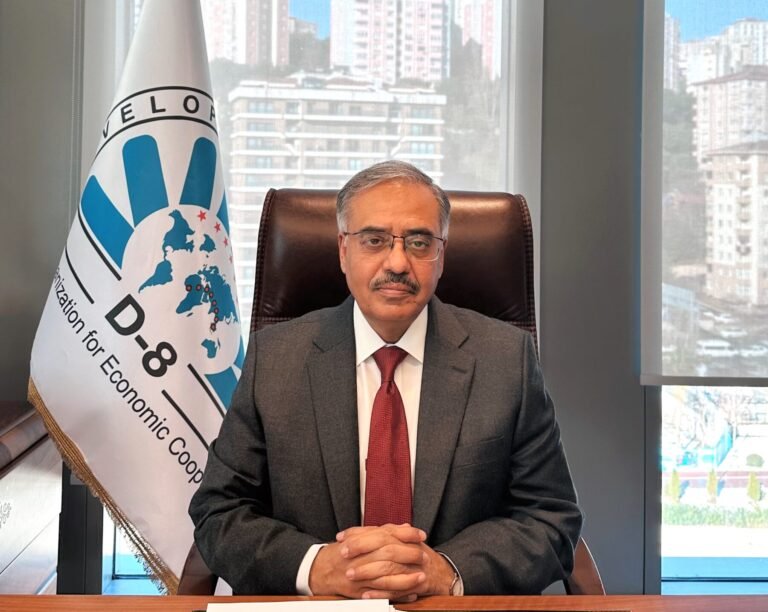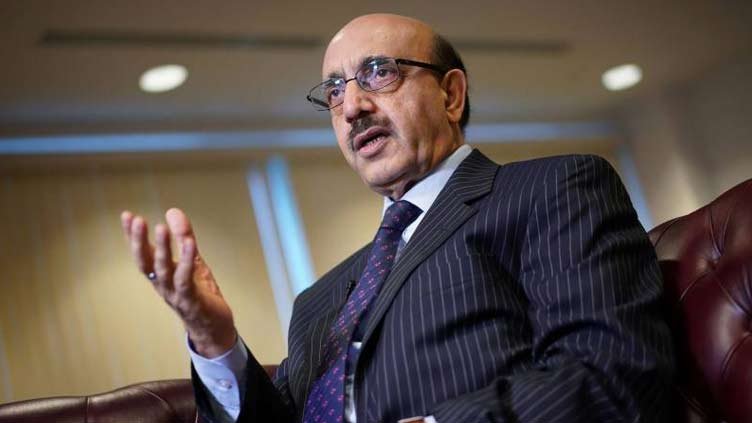
Islamabad (TDI): Pakistan’s facilitation of direct negotiations between the United States and Iran marks a significant diplomatic breakthrough, according to Sardar Masood Khan, former ambassador to Washington, Beijing, and the United Nations.
Describing the development as a “historic milestone,” Khan stressed that while progress has been made, the process remains ongoing with strong prospects for continuation.
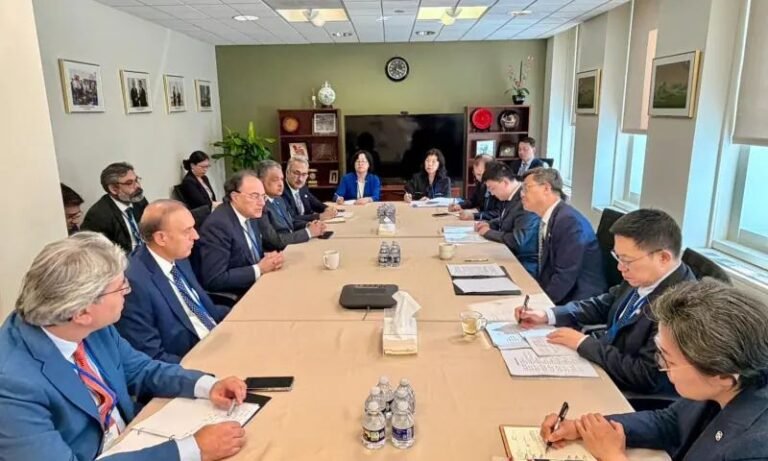
Speaking on the first round of talks hosted in Islamabad, Khan noted that Pakistan succeeded where several global powers had faltered; bringing two long-standing adversaries to the same table to address deeply sensitive and complex issues.
The negotiations were preceded by a temporary ceasefire, which helped create a conducive environment for dialogue and allowed both sides to cautiously explore areas of common ground, even in the absence of a formal agreement.
Khan highlighted the constructive tone of the discussions, emphasizing that the atmosphere was marked by mutual respect and a willingness to engage.
He described this shift in diplomatic posture as a meaningful achievement in itself, adding that both delegations returned to their capitals with a clearer understanding of each other’s positions and renewed confidence in the process.
Looking ahead, Khan expressed cautious optimism about the trajectory of the talks. Despite recent tensions, including a limited naval blockade around the strategically vital Strait of Hormuz, he observed that the ceasefire largely holds and no direct military confrontation has occurred.
Read More: Global Ambassador Award Conferred on Ambassador Masood Khan for Outstanding Service
“The process has not ended; it is evolving,” he remarked, suggesting that a second round of negotiations is likely. He identified the nuclear framework and governance of the Strait of Hormuz as key areas where compromise may be possible.
However, he acknowledged that major obstacles remain, including disagreements over ballistic missile programs and broader regional alignments. On Iran’s side, additional demands such as reparations and expanded ceasefire arrangements further complicate the negotiating landscape.
Khan also pointed to wider geopolitical pressures influencing the talks, including tensions in Lebanon and differing strategic priorities between United States policymakers and regional actors like Israel.
While Washington’s global economic responsibilities shape its approach, regional dynamics continue to affect the pace of progress.
Describing the blockade as a form of coercive diplomacy, Khan warned that any escalation could have severe global economic consequences, particularly for developing countries.
Reaffirming Islamabad’s role, he noted that Pakistan continues to engage in quiet, back-channel diplomacy with key regional players such as Saudi Arabia, Türkiye, and Qatar.
He added that growing international confidence has positioned Pakistan as a credible mediator. Khan concluded that while challenges persist, Pakistan’s initiative has opened a viable pathway toward de-escalation.