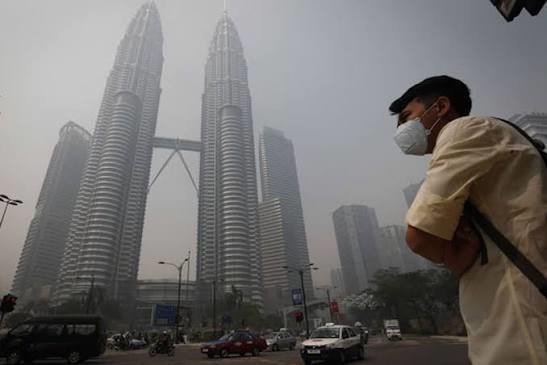
Malaysia and Indonesia are stepping up joint efforts to tackle transboundary haze, pledging closer cooperation on monitoring hotspots, stricter enforcement against open burning, and possible cross-border cloud seeding operations.
Natural Resources and Environmental Sustainability Minister Datuk Seri Arthur Joseph Kurup emphasized that coordinated ASEAN action is vital, as haze continues to be persistent regional problem.
“Recently we had an ASEAN meeting, I met up with all my counterparts, and we have already agreed to increase our collaboration,” he told reporters after launching the international conference on Tropical Forestry 2026 in Kota Kinabalu on Tuesday.
He said the collaboration would extend to monitoring hotspots and deploying more enforcement agencies to ensure there is no open burning, adding that Malaysia and Indonesia could also share airspace for cloud seeding operations and share other assets between the two countries.
Arthur noted that regional cooperation is now more crucial than ever, as Malaysia enters a “super El Nino,” phase, expected to bring drier conditions, reduced rainfall, and a rise in fire-prone areas.
“And that will cause more haze, but we need to acknowledge that haze is a problem that is not just faced by one country. It is a regional issue. What happens in our neighboring countries will also affect us,” he said.
Read More: Indonesia, Malaysia to launch Travel Corridor Arrangement
Arthur added that Malaysia would continue to raise the issue at the ASEAN level to improve regional coordination on haze and its contributing factors, describing it as “a concerted effort needed at the regional level because this is a regional problem.”
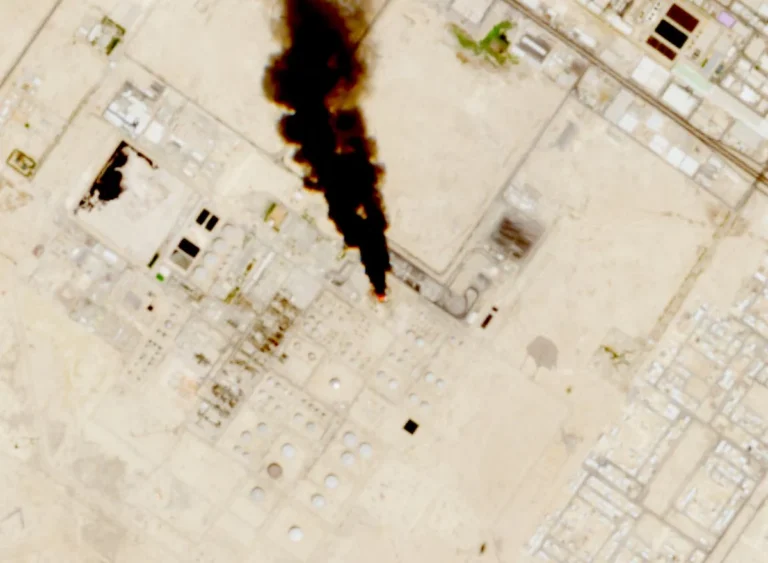
Transboundary haze, largely driven by peatland and forest fires linked to agricultural land-clearing in Indonesia, has affected Malaysia and other parts of Southeast Asia for decades, with severe episodes in 1997, 2015, and 2019 disrupting air quality, public health, aviation, and tourism across the region.
ASEAN member states adopted the Agreement on Transboundary Haze Pollution in 2002 to coordinate prevention and monitoring efforts, though implementation has often been complicated by the scale of land-clearing activity and enforcement gaps on the ground.
This year’s renewed push comes amid concern that El Nino-driven dry conditions could make 2026 a particularly high-risk fire season for the region.
With El Nino conditions raising the stakes for this year’s fire season. Tuesday’s pledge signals a renewed push by Malaysia and Indonesia to convert years of haze cooperation into more concrete, coordinated action.