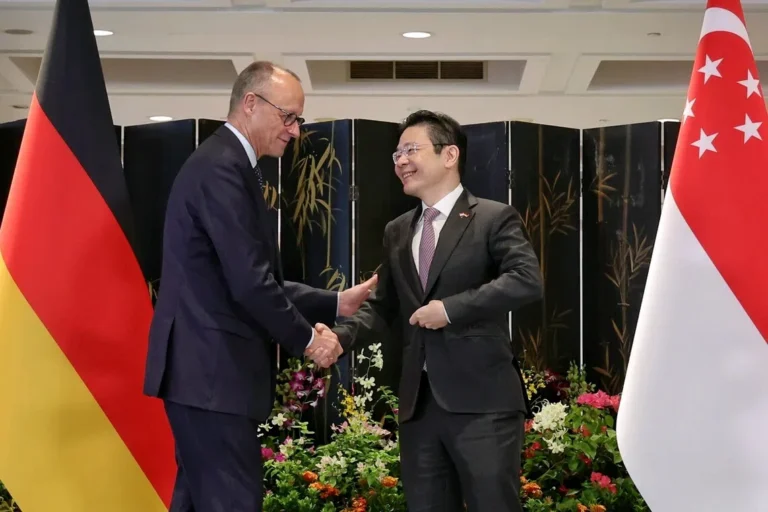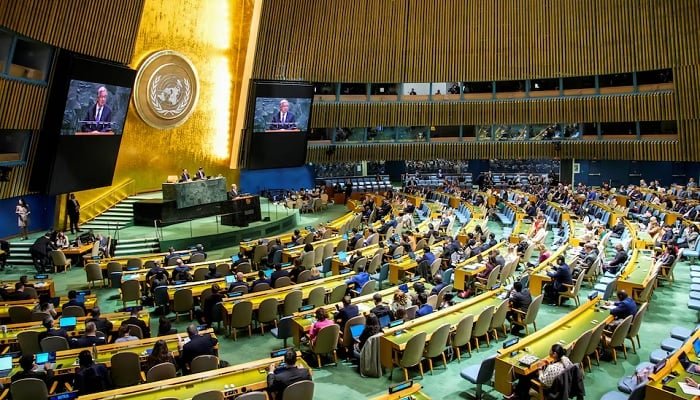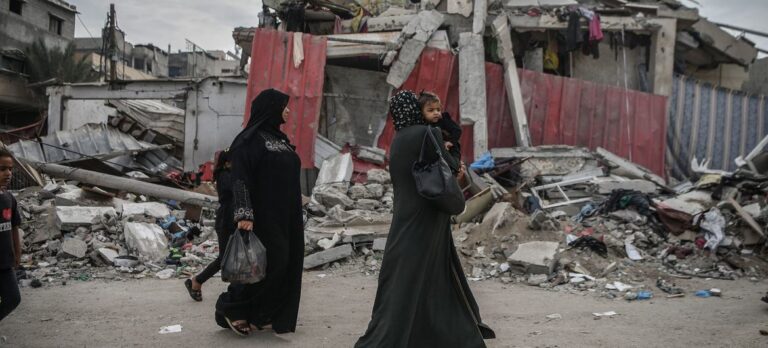
Pacific island leaders have insisted that the global promise to move away from fossil fuels must not be reopened for negotiation, as they used a rare summit on one of the world’s most climate-exposed nations to press for stronger action ahead of November’s COP31.
About 50 dignitaries flew to the tiny atoll nation, including 14 heads of government, a string of climate ministers and leaders of global agencies.
Among them were Australian Prime Minister Anthony Albanese, Fijian Prime Minister Sitiveni Rabuka and Tuvalu’s Prime Minister, Feleti Teo. The aim was to focus attention on the countries most at risk from the climate crisis.
The pre-COP event is part of a deal struck after a long standoff between Australia and Türkiye over who would host COP31.
#PRECOP31
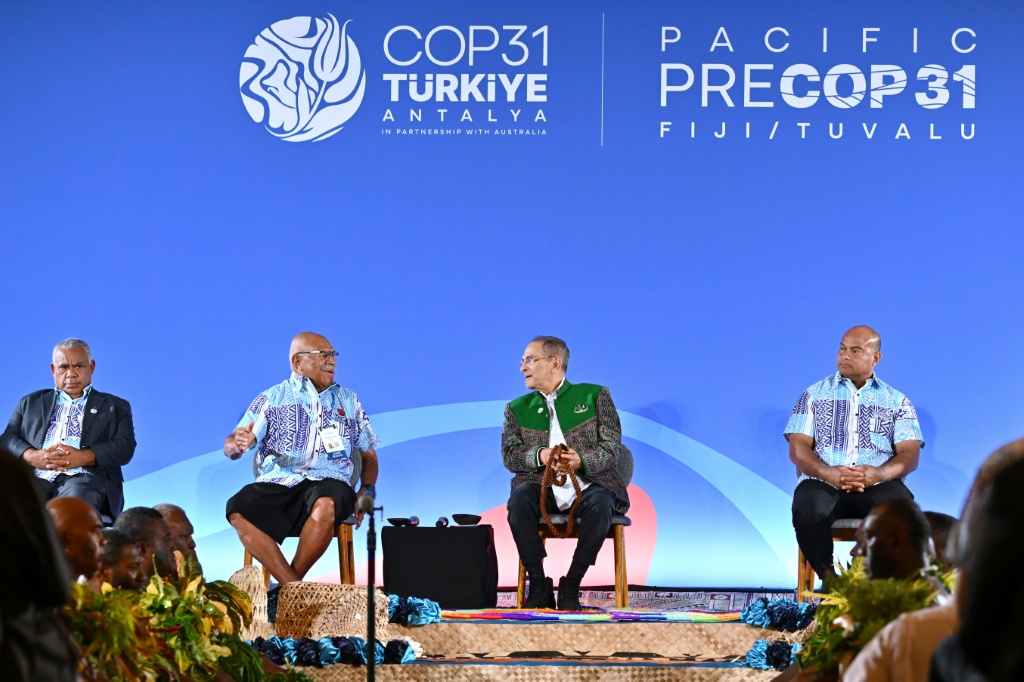
The Pre-COP31 meetings are well underway in Nadi, bringing Pacific and global partners together to advance collective climate action and build momentum towards COP31.
Today, Leaders will gather in Tuvalu for the Leaders’ segment, witnessing firsthand the realities of climate change in the Pacific and the resilience of Pacific peoples and communities.
In Nadi, the Fiji Government hosted a traditional welcome ceremony, formally welcoming Leaders and delegations from across the Pacific and around the world to the Pre-COP31 process.
“We asked you to come to the Pacific because some things cannot be understood from a distance. In the days ahead, you will stand on Tuvalu’s shores. There, the climate crisis is not a forecast. It is the king tide at the door, the salt in the garden, and the hardest of questions: how long can a community stay?
For us, land, sea and people are not separate things. They are one, and we call that whole the Vanua. What harms one part harms all. That is not sentiment. It is a way of knowing the world that has kept the societies of the Pacific alive for generations” – Prime Minister of Fiji, Hon Sitiveni Rabuka, at the traditional welcoming ceremony.
#OneBluePacific #Regionalism #COP31
— Pacific Islands Forum (@ForumSEC) October 5, 2026
Türkiye will host the main summit in Antalya, while Australia leads negotiations and has secured a leaders’ meeting in the Pacific, a first for the region.
The pledge at issue was made at COP28 in Dubai in 2023, when countries agreed to “transition away from fossil fuels.”
Governments have struggled to turn that into a plan. At COP30 in Brazil last year, no formal roadmap was agreed, though about 80 countries, Australia among them, signed the Belém Declaration backing one.
Read More: Pacific to Host First-Ever Pre-COP as Climate Decision Makers Head to Fiji and Tuvalu
For Pacific nations, any attempt to reopen the Dubai wording risks weakening the one commitment that bears most directly on their survival.
Tuvalu’s climate change minister, Maina Vakafua Talia, said last month that major fossil fuel producers should stop approving new coal and gas projects and help smaller nations fund renewable energy. A recent UN report found some island nations face the risk of submersion if warming exceeds 1.5C.
The pressure falls hardest on Canberra as Australia has said it will keep arguing for a transition away from coal, oil and gas, yet it remains among the world’s largest fossil fuel exporters, and government revenue still leans heavily on liquefied natural gas.