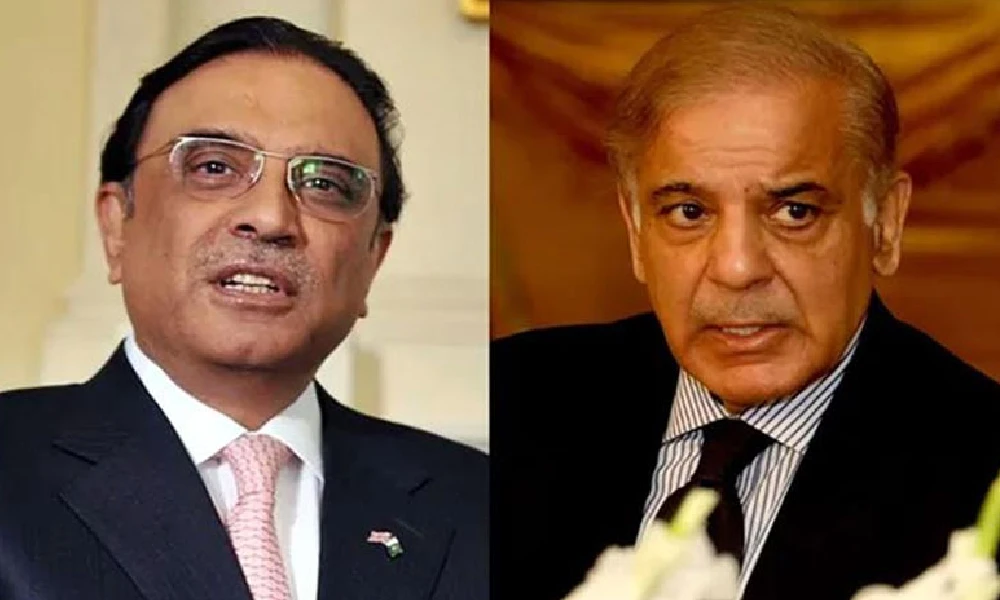
Islamabad (TDI): President Asif Ali Zardari and Prime Minister Shehbaz Sharif have reaffirmed Pakistan’s support for the people of Indian Illegally Occupied Jammu and Kashmir (IIOJK), calling for a just and peaceful settlement of the longstanding dispute in accordance with relevant United Nations Security Council resolutions and the aspirations of the Kashmiri people.
In their messages marking Kashmir Black Day on October 27, both leaders reiterated Pakistan’s commitment to providing moral, diplomatic and political support to Kashmiris and urged the international community to pay greater attention to their rights and the unresolved dispute.
President Zardari called on the United Nations and international human rights organizations to take notice of the human rights situation in IIOJK, support efforts to protect fundamental freedoms and contribute to a lasting settlement.
“We will continue to raise their voice at every appropriate international forum and to advocate the realization of their legitimate aspirations,” he said.
The president said Kashmir Black Day was not merely an occasion to remember the past but also an opportunity to renew the commitment to a peaceful resolution of the dispute.
He stressed that lasting peace, stability and prosperity in South Asia remained closely linked to resolving the Kashmir issue in accordance with relevant UN Security Council resolutions and the wishes of the Kashmiri people.
Recalling October 27, 1947, when Indian forces landed in Srinagar, Zardari described the event as the beginning of a prolonged and tragic chapter in Jammu and Kashmir’s history.
Read More: Kashmir’s Black Day: A Resilient Struggle for Self-determination
He said generations of Kashmiris had endured conflict, restrictions, violence and repression while continuing to seek justice, dignity and their right to self-determination.
The president expressed concern over restrictions on fundamental freedoms, heightened militarization, arrests and reported human rights violations, calling for sustained international attention to the situation.
He also said conditions had deteriorated following India’s unilateral measures of August 5, 2019, which changed Jammu and Kashmir’s constitutional status under Indian law.
Zardari reaffirmed Pakistan’s solidarity with Kashmiris and expressed hope that they would be able to determine their future in accordance with their aspirations.
“The day is not far off when the people of Jammu and Kashmir will be able to determine their own future in accordance with their aspirations and the Jammu and Kashmir dispute will move towards a just and peaceful resolution,” he said.
Prime Minister Shehbaz Sharif also reiterated that Pakistan’s position on Jammu and Kashmir remained clear and consistent, maintaining that lasting peace and stability in South Asia could not be achieved without a just and peaceful resolution of the dispute.
In his message, the prime minister said the government and people of Pakistan stood in solidarity with the Kashmiri people and would continue to support their legitimate rights at national and international forums.
Recalling the arrival of Indian forces in Srinagar on October 27, 1947, PM Shehbaz said the event had marked the beginning of a tragic chapter whose consequences continued to affect the region.
He said the people of Jammu and Kashmir had been denied their right to self-determination, as recognized in relevant UN Security Council resolutions, and praised their resilience despite decades of hardship.
Read More: PM Shehbaz to Highlight Kashmir, Palestine Issues at UNGA
The prime minister expressed concern over what he described as efforts to suppress political expression in IIOJK, citing the continued incarceration of Kashmiri political leaders, activists and human rights defenders.
He called for due process, respect for fundamental liberties and greater international attention to the situation. PM Shehbaz also criticized India’s measures since August 5, 2019, saying they had affected the territory’s political, legal and demographic character. He maintained that these developments should be addressed in accordance with international law and applicable UN Security Council resolutions.