Tashkent (TDI): Kyrgyzstan, Uzbekistan, and Kazakhstan are advancing with the $4.2 billion Kambarata-1 Hydropower Project (HPP), a landmark regional energy initiative that has gained broad international support and financial momentum.
According to Uzbek Energy Minister Jorabek Mirzamahmudov, total pledged financing has already reached $5.6 billion, surpassing the project’s estimated cost.
In an interview, Mirzamahmudov said the most recent trilateral ministerial meeting, held in Brussels in late September under the World Bank’s auspices, brought together representatives from 10 major international financial institutions, including the EBRD, EIB, OPEC Fund, AIIB, ADB, and several Italian development banks.
The minister described the project as a model of regional cooperation, noting that lenders have shown readiness to back it even before final technical documentation is completed. “In the past, projects like this weren’t even discussed,” Mirzamahmudov said. “Now they are being supported at the highest levels because they reflect shared regional interests and strong economic potential.”
The project will be governed through an intergovernmental framework, featuring a joint operating company and a special-purpose vehicle to ensure transparent management. Construction will follow global best practices in environmental protection, safety, and financial governance, while safeguarding the national interests of all three participating countries.
Read More: Russian Gas Exports to Central Asia Jump 15% in 2025
Mirzamahmudov highlighted that Kambarata-1 represents both an energy breakthrough and an environmental milestone. Harnessing the renewable hydropower potential of the Naryn River, it will also promote coordinated transboundary water management across Central Asia.
Unlike many large dam projects, Kambarata-1’s design aims to minimize ecological and social disruption, avoiding community displacement while supporting agricultural productivity through controlled summer water releases.
Under the current proposal, Kyrgyzstan will hold a 34% stake, while Uzbekistan and Kazakhstan will each own 33%. Electricity output will be distributed proportionally, but each country will have the option to buy or sell power based on demand and market conditions. “This is a commercial project,” Mirzamahmudov explained. “Each country can adjust its energy intake in line with its consumption needs.”
Read More: Central Asia–Russia Rail Freight Transit Up 50% in 3 Years: President Tokayev
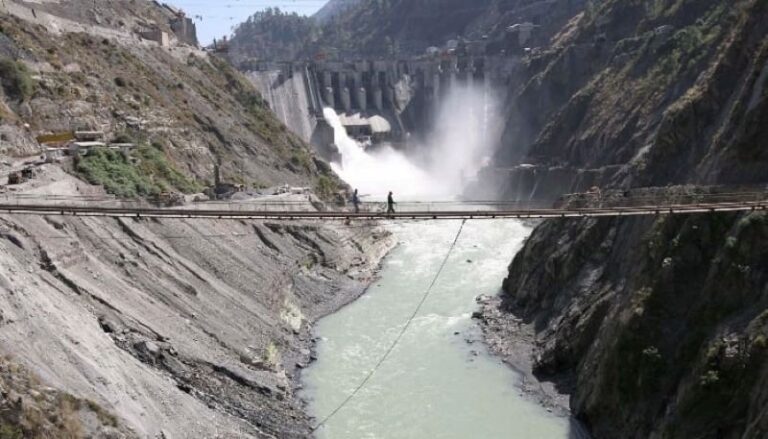
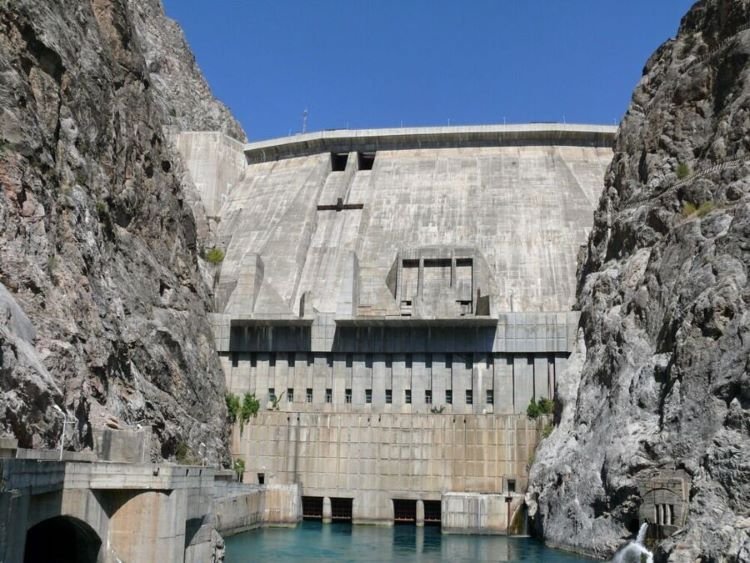
To be built on the upper reaches of the Naryn River in Kyrgyzstan, the Kambarata-1 Hydropower Plant will feature a 256-meter-high dam, a reservoir capacity of 5.4 billion cubic meters, and a generation capacity of 1,860 megawatts. Once operational, it is expected to produce around 5.6 billion kilowatt-hours of electricity annually, making it Kyrgyzstan’s largest hydropower facility and a crucial asset in addressing Central Asia’s growing energy demand.
The project’s successful completion is expected to strengthen energy security, economic integration, and sustainable development across the region, setting a precedent for cross-border infrastructure cooperation in Central Asia.