Islamabad (TDI): Islamabad is set to host crucial “make-or-break” talks between Iran and the United States, with both sides arriving in the Pakistani capital amid heightened tensions and last-minute diplomatic hurdles.
Prime Minister Shehbaz Sharif described the dialogue as a critical opportunity for peace but warned that the process has entered a difficult and decisive phase, where success or failure could shape the future of the conflict.
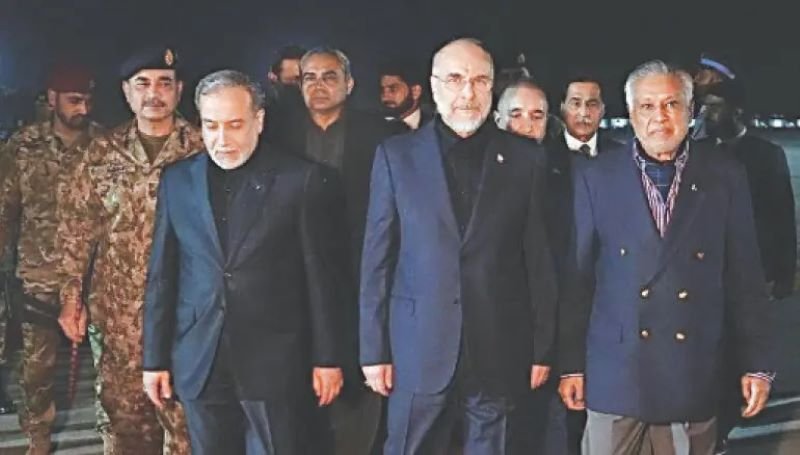
The Iranian delegation, led by Parliament Speaker Bagher Ghalibaf and Foreign Minister Abbas Araghchi, has already arrived in Islamabad. They were received by senior Pakistani officials, including Foreign Minister Ishaq Dar, Speaker National Assembly Ayaz Sadiq, Field Marshal Asim Munir, and Interior Minister Mohsin Naqvi.
Meanwhile, the US delegation, headed by Vice President JD Vance, is expected to arrive shortly, accompanied by senior officials from key American institutions.
The talks nearly collapsed before they began, as Iran insisted it would only participate if Israeli strikes in Lebanon were halted. Tehran also demanded the release of billions of dollars in frozen Iranian assets as a precondition.
Read More: Italian PM Meloni Supports Pakistan’s Efforts in Hosting US-Iran Talks
Intense behind-the-scenes diplomacy involving Pakistan, Iran, the United States, and other international players helped ease tensions. Reports suggest that Israeli strikes paused in key areas such as Beirut and Dahieh, meeting part of Iran’s conditions, though violence has continued in southern Lebanon.
The situation in Lebanon remains a major sticking point. Iran maintains that any ceasefire must include all fronts, including Hezbollah, while the United States and Israel argue that Lebanon is not covered under the current truce. This disagreement continues to threaten the fragile diplomatic process.
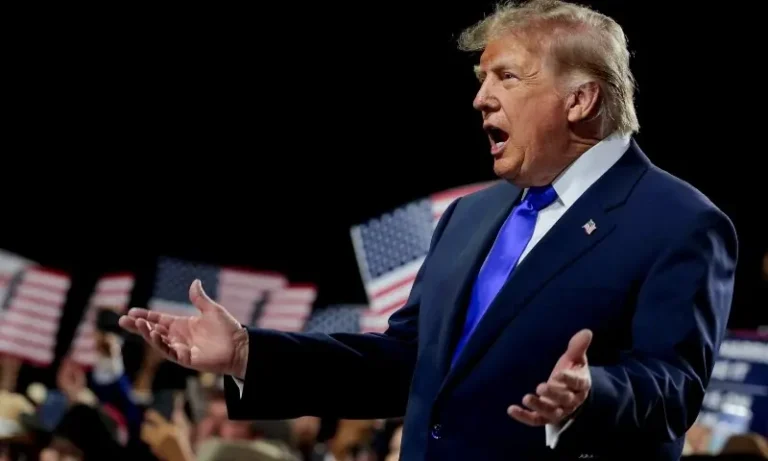
Ahead of the talks, JD Vance expressed cautious optimism, saying the discussions could be productive, while emphasizing that Washington expects serious engagement. However, US President Donald Trump adopted a tougher stance, warning that military action could resume if negotiations fail and criticizing Iran over disruptions in the Strait of Hormuz.
Read More: Shipping Through Hormuz Near Standstill Amid Iranian Route Warnings
Pakistan, which played a key role in arranging the initial ceasefire, has positioned itself as a mediator and is aiming to facilitate a lasting agreement. Prime Minister Shehbaz Sharif reaffirmed Pakistan’s commitment to supporting dialogue and thanked both sides for agreeing to negotiations.
The agenda for the talks is complex. While discussions will be based on Iran’s proposed framework, major differences remain. The United States is expected to push for strict limits on Iran’s nuclear programme, while Iran is seeking full sanctions relief, recognition of its nuclear rights, and access to frozen funds. Other contentious issues include regional conflicts, missile capabilities, and the sequencing of concessions from both sides.