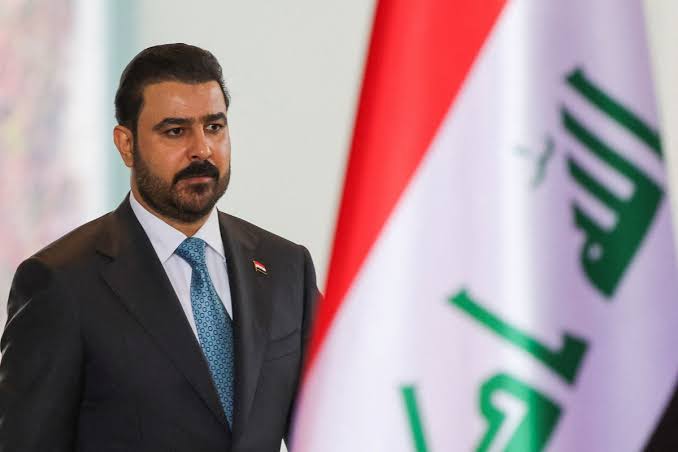
Iraq is seeking to complete the disarmament of armed groups operating outside full state control by June 2027 under a phased government plan, as Baghdad faces pressure to consolidate its authority while the remaining US forces prepare to leave the country.
Iraqi Prime Minister Ali al-Zaidi has set June 30, 2027, as the target for completing the process, extending an earlier timetable that had linked bringing weapons under state authority with the scheduled withdrawal of remaining US-led forces at the end of September.
The revised plan reflects the political and security difficulties Baghdad faces in persuading powerful armed factions, including Iran-aligned groups, to surrender or integrate their military capabilities.
Under the proposed phased approach, armed groups would initially observe a 90-day halt in attacks while US forces would refrain from targeting them.
The process would then move towards weapons being handed over or brought under state authority, with the government seeking to complete the transition by the end of June next year.
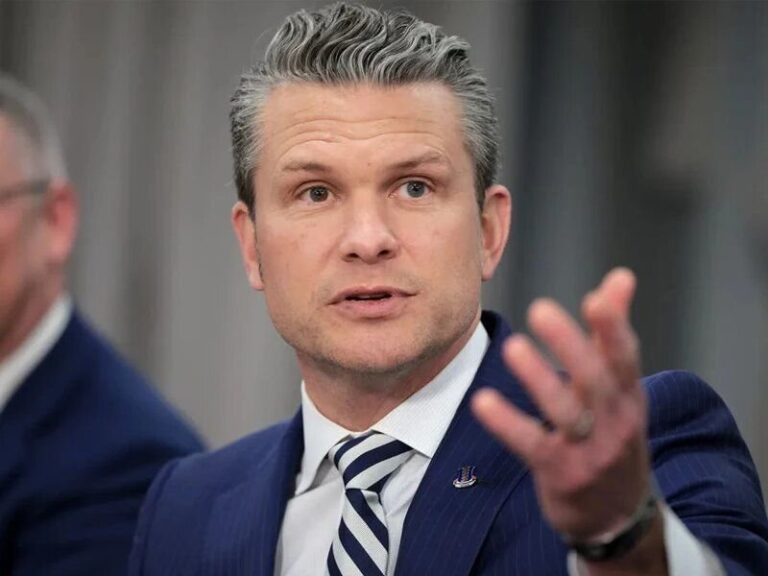
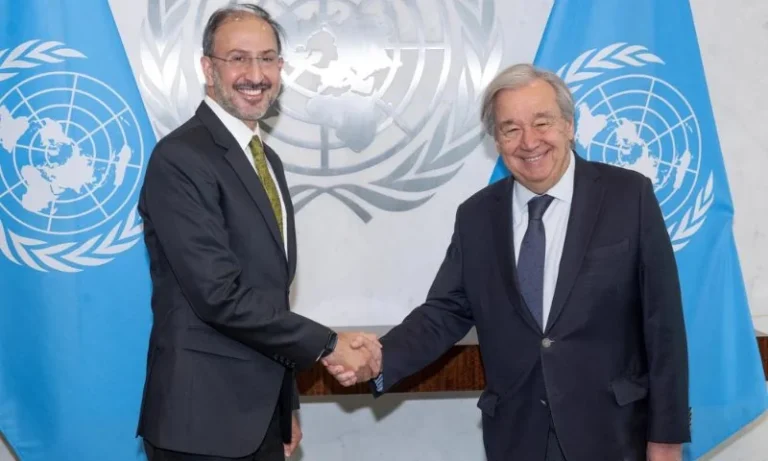
US Secretary of State Marco Rubio discussed the issue with Al-Zaidi on the sidelines of the United Nations General Assembly in New York.
According to the US account of the meeting, the two agreed on the importance of dismantling armed groups operating independently of the state, preventing attacks launched from Iraqi territory and strengthening Baghdad’s sovereignty.
Rubio subsequently warned that Iraq risked fragmentation if independent armed forces continued to operate outside effective government control.
He nevertheless expressed confidence in the Iraqi prime minister’s stated commitment to the process, while acknowledging the scale of the challenge facing Baghdad.
Some armed factions have indicated that their weapons are now under state authority, but resistance remains among more hardline groups.
Kataib Hezbollah and Harakat Hezbollah al-Nujaba, both closely aligned with Iran, have previously linked disarmament to conditions including the departure of foreign forces. The extent to which such groups will ultimately comply with the government’s timetable therefore remains uncertain.
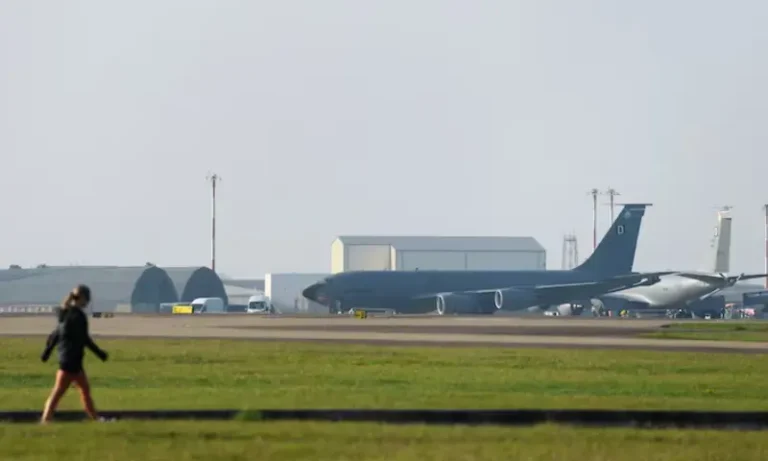
The issue is becoming more urgent because the remaining US military personnel are scheduled to leave Iraq on September 30.
Rubio said there had been no discussion about extending that deadline, meaning Baghdad will increasingly carry responsibility for managing the relationship between formal security institutions and powerful armed factions once the withdrawal is completed.
The challenge goes beyond the physical surrender of weapons. Many of Iraq’s armed groups emerged or expanded during the fight against ISIS and subsequently developed political, economic and institutional influence.
Elements of the Popular Mobilization Forces are formally incorporated into the Iraqi security structure, while individual factions retain varying degrees of autonomy and external relationships.
Baghdad’s June 2027 target therefore represents an attempt to address one of the central questions facing post-war Iraq: whether the state can establish effective control over organized armed force without triggering another internal confrontation.
The departure of remaining US forces may remove one of the principal conditions cited by some factions for retaining their weapons, but it will also test whether the Iraqi government has sufficient political authority to implement the process once external military pressure diminishes.

Anoush Taimur is an International Relations graduate from DHA Suffa University, Karachi, currently based in Doha. Her research interests include Gulf politics, small-state diplomacy, Global South studies and conflict
mediation. Her work examines how states create influence through connectivity, institutions and strategic relationships. She can be reached at [email protected]