Washington (TDI): Iran launched new strikes on the United Arab Emirates on Tuesday, targeting key infrastructure in the region and prompting a strong response from the United States.
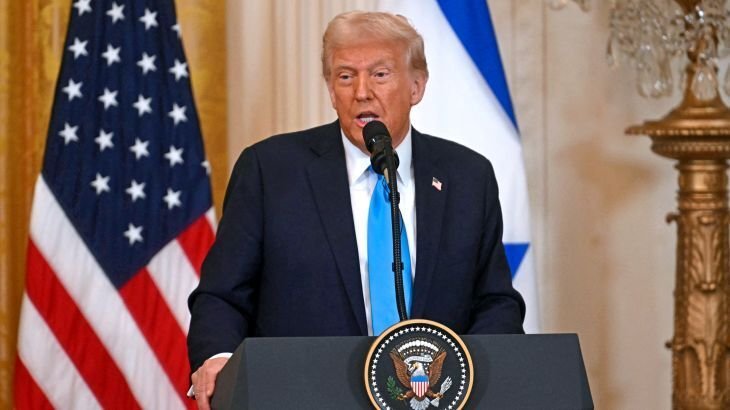
President Donald Trump described the attacks as unexpected, although reports indicate he had been warned of the potential for such retaliation.
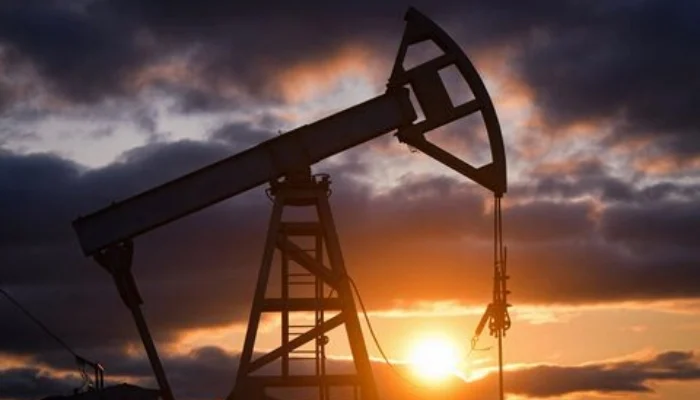
The US-Israeli military campaign against Iran entered its third week, with more than 2,000 casualties reported and no clear end in sight. The Strait of Hormuz remains largely closed, affecting global energy markets and raising concerns about rising oil and gas prices.
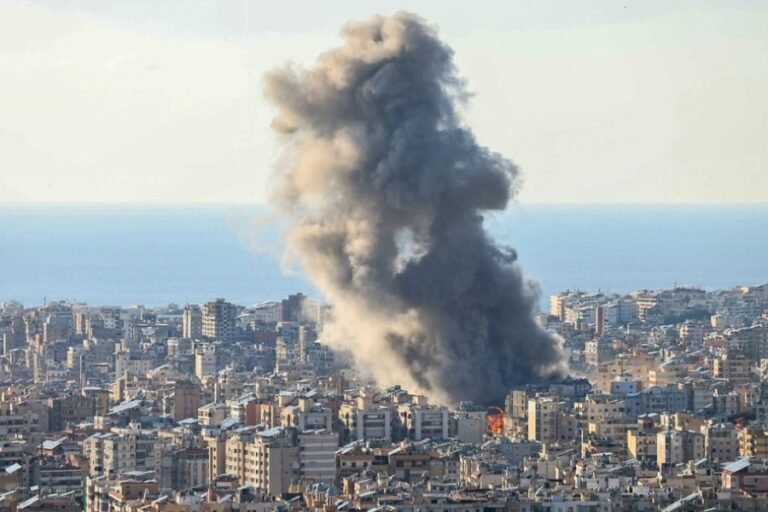
Early Tuesday, Iran carried out missile strikes on Israel, demonstrating its continued capacity for long-range attacks despite sustained bombardment by US and Israeli forces. Israel responded with airstrikes targeting what it described as “Iranian regime infrastructure” in Tehran, as well as Hezbollah positions in southern Beirut. The Israeli military indicated it has prepared plans for at least three more weeks of operations.
Read More: US, Iran Officials Make First Contact Since War: Reports
In Iraq, rockets and at least five drones struck the US embassy in Baghdad’s fortified Green Zone in the early hours of Tuesday. Iraqi security sources described the assault as the most intense since the start of the conflict, though US officials reported no casualties.
Iran also targeted the UAE, temporarily shutting down airspace and hitting an oil facility in Fujairah for a second consecutive day. Debris from an intercepted ballistic missile fell in Abu Dhabi’s Bani Yas area, killing one Pakistani national, while fires at Abu Dhabi’s Shah gas field were reportedly being contained.
Trump said the strikes against multiple Gulf countries, including Qatar, Saudi Arabia, the UAE, Bahrain, and Kuwait, were unexpected. “They weren’t supposed to go after all these other countries in the Middle East. Nobody expected that. We were shocked,” he said on Monday.
However, US intelligence sources said that Trump had been briefed in advance on the potential for Iranian retaliation and the likelihood that Tehran could attempt to close the Strait of Hormuz, a vital channel for global oil and liquefied natural gas shipments, according to media reports.
Read More: Saudi Arabia, UAE Warn of Dangerous Escalation Amid Iranian Attacks
Trump also voiced frustration with some Western allies who have declined to send warships to secure the strait. Several countries, including Germany, Spain, Italy, Japan, and Australia, said they had no immediate plans to provide naval support, citing legal and procedural constraints.
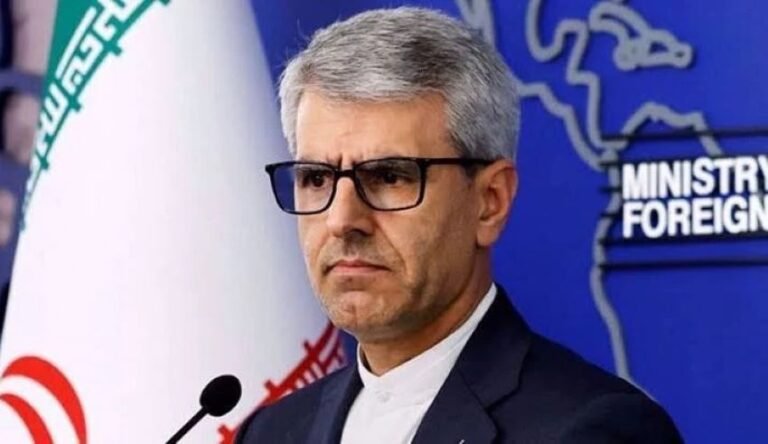
Meanwhile, Iran’s parliament speaker, Mohammad Baqer Qalibaf, dismissed reports that Tehran’s missile capabilities had been degraded. He said Iran’s offensive power, accuracy, and operational experience had improved despite the ongoing strikes against it.