New Delhi (TDI): India has stated that it is “actively working” on measures to ensure that no water from its rivers flows into Pakistan. The remarks from the country’s water minister come after New Delhi suspended the Indus Waters Treaty last year, a key agreement that has governed the sharing of river waters between the two neighbouring countries since 1960.
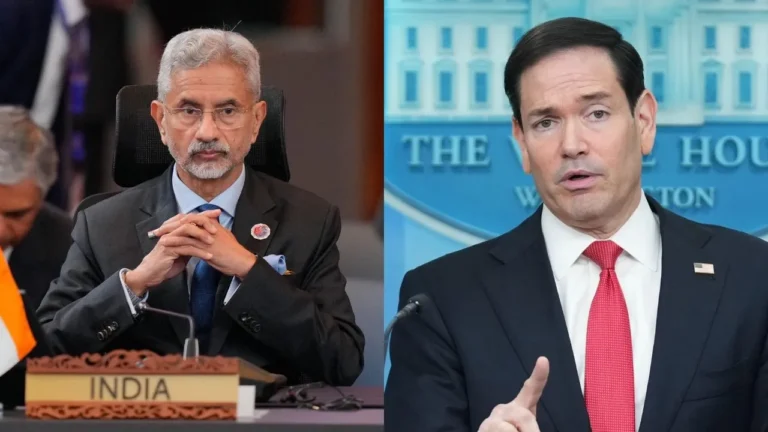
Speaking in a TV interview, Water Minister C.R. Patil said the government is moving forward on instructions from Prime Minister Narendra Modi. He claimed that efforts are underway to ensure that “not a single drop of water” reaches Pakistan in the coming years.
Pakistan has strongly objected to such statements, warning that any attempt to alter the natural flow of cross-border rivers would be treated as an “act of war.” Islamabad maintains that the Indus Waters Treaty remains in force, arguing that there is no provision for a unilateral withdrawal or suspension. Pakistani officials have also accused India of attempting to politicise shared water resources in violation of international commitments.
The Indus river system, which includes six major rivers originating in India and flowing into Pakistan through the disputed region of Kashmir, is a critical water source for hundreds of millions of people, particularly for Pakistan’s agriculture-dependent economy.
Following India’s announcement in May 2025 that it was suspending its participation in the treaty, after accusing Pakistan of involvement in an attack in Indian Illegally Occupied Jammu and Kashmir, tensions over water sharing have further escalated. Pakistan has denied the allegations.
Read More: IWT Dispute: Court Orders India to Share Hydropower Records with Pakistan
In recent weeks, Islamabad has accused New Delhi of trying to “weaponise” water, especially after India announced new initiatives related to the Chenab River, which is partially controlled by India.
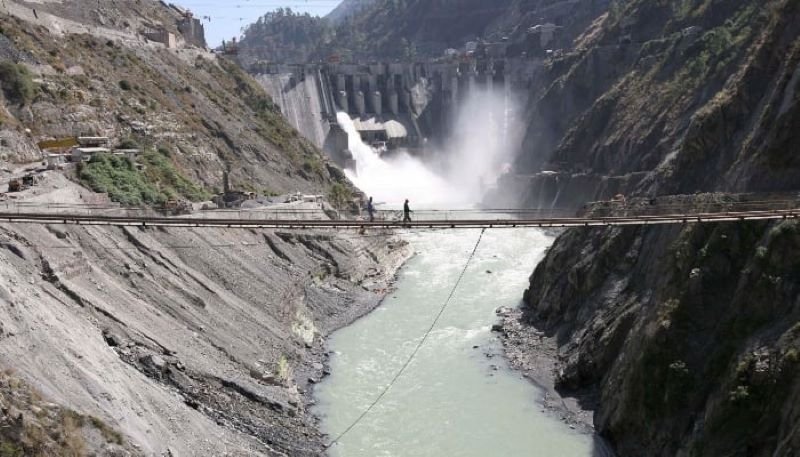
Among these developments is a tender issued by India’s state-owned National Hydroelectric Power Corporation for a proposed tunnel project aimed at transferring water from the Chenab River to the Beas basin. Earlier, India’s power ministry also said it was carrying out sediment removal work at the Salal Hydroelectric Power Station on the Chenab, stating it was being done after the “termination of the Indus Waters Treaty.”
Experts, however, note that India’s current dam infrastructure does not allow for complete blocking or diversion of river flows, and is mainly limited to regulating the timing and volume of water releases.
Read More: Zardari Rejects India’s IWT Violation, Warns Against Weaponizing Water
They further warn that any large-scale diversion projects would require several years to complete before having any real impact. Officials in Indian Illegally Occupied Jammu and Kashmir have also indicated that major construction work is unlikely to begin before mid-2027, with completion potentially taking at least five years.