In the modern era, cultural diplomacy has become a crucial instrument for implementing state foreign policy. States actively employ this tool to promote their national interests and consolidate their positions on the international stage. At its core, cultural diplomacy is grounded in national culture and the spiritual values of society.
It should be noted that states are not direct producers of culture. Their primary role lies in the targeted and efficient utilization of cultural resources to achieve foreign policy objectives, enhance international influence, and protect national interests. In this context, culture represents one of the most significant assets of state diplomacy. States pay considerable attention to preserving, developing, and presenting their cultural values internationally.
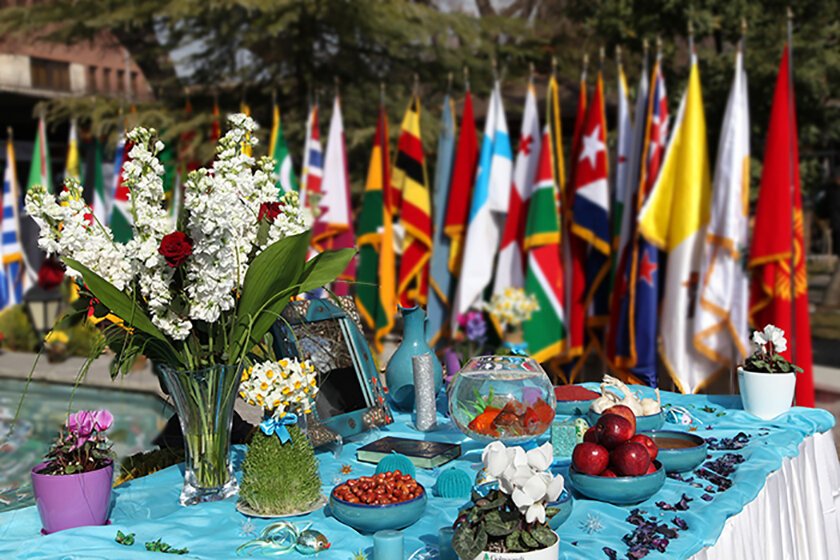
Cultural diplomacy serves as an effective means of influence in international relations and is actively supported by states as a tool for advancing national interests and enhancing international authority. Within this framework, Nowruz plays a pivotal role as an instrument of “soft power,” contributing to the strengthening of friendly relations, mutual understanding, and cultural cooperation between countries.
The international recognition of Nowruz has enabled Tajikistan to present itself globally as an initiator and defender of the universal values embodied by Nowruz. This achievement has strengthened the country’s standing in international organizations and created favorable conditions for the development of regional and international cooperation.
Read More: Nowruz Traditions and Celebrations in Tajikistan
The Foreign Policy Concept of the Republic of Tajikistan (2015) identifies cultural and humanitarian diplomacy as a priority area of the country’s foreign policy. In this document, cultural diplomacy is recognized as a key instrument for ensuring spiritual well-being and preserving the intrinsic cultural and moral values of the Tajik people.
Cultural diplomacy enables Tajikistan to be appropriately represented on the global stage as a country with an ancient culture and civilization, as well as a modern democratic and legal state. It facilitates the expansion of cultural and humanitarian cooperation with countries worldwide, playing a central role in international recognition of both the country and its people.
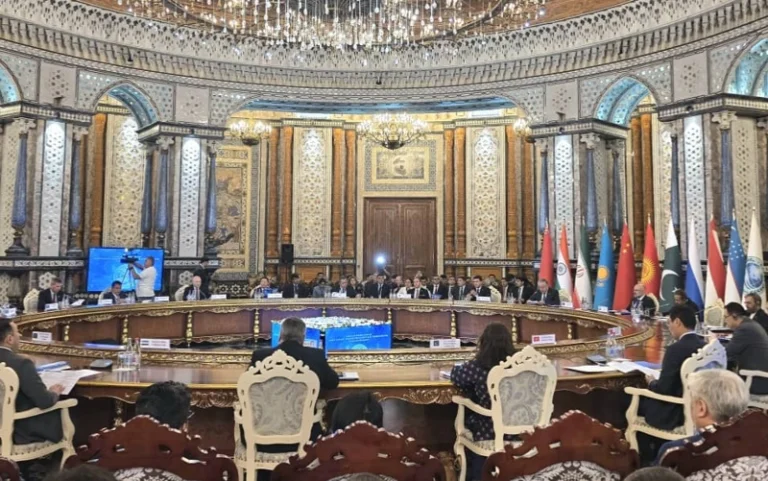
The international celebration of Nowruz in Tajikistan has become a longstanding tradition and plays a significant role in the development of cultural diplomacy. Key events include the International Festival “Nowruz: Cultural Heritage and Globalization” (2025), organized by the city of Dushanbe, and the annual International Forum “Dushanbe Nowruz: Axis of Cultural and Tourism Relations,” which will hold its 5th Forum in 2025.
Expanding the geographic reach of Nowruz diplomacy is an important area of focus. Tajikistan can engage countries in Europe, the Americas, China, and India in international Nowruz events. In 2010, the UN General Assembly adopted a resolution declaring March 21 as “International Nowruz Day.”
In 2023, Tajikistan, together with Turkmenistan, proposed a new UN resolution aimed at strengthening the role of Nowruz in promoting peace and cultural understanding, which was supported by over 100 member states.
Read More: Nowruz: A Pillar of Tajikistan’s Cultural Diplomacy
The prospects for integrating Nowruz into Tajikistan’s foreign policy are highly promising. Nowruz continues to serve as a key element of the country’s soft power, enhancing Tajikistan’s position as a platform for international peace and cooperation forums. Hosting conferences and meetings on peace, security, environmental protection, and sustainable development during Nowruz celebrations aligns seamlessly with the country’s cultural diplomacy strategy.
Examining the strategic role of Nowruz in advancing cultural diplomacy reveals that this ancient holiday holds significant potential for expanding cultural and scientific connections between countries. Nowruz serves as a vital communication bridge, strengthening Tajikistan’s engagement with Tajik- and Persian-speaking communities abroad.
The celebration of Nowruz creates favorable conditions for presenting Tajik folk art, traditions, and creativity at the international level, as well as for further promoting national cultural values. Moreover, Nowruz contributes to attracting foreign tourists and showcasing the country’s cultural and tourism potential.
Overall, in the contemporary international context, Nowruz can be regarded as an effective mechanism for the development of cultural diplomacy. By effectively leveraging its cultural diplomacy potential, Tajikistan can successfully represent its national holidays and rich cultural heritage globally, strengthen its international influence, and enhance the country’s reputation.

Rahmonzoda Azimjon Sherali
Rahmonzoda Azimjon Sherali is a historian and leading researcher at the Institute for the Study of Asian and European Countries, under the National Academy of Sciences of Tajikistan. Holding the academic title of Candidate of Historical Sciences, he brings deep expertise and scholarly insight into the historical and geopolitical dynamics of the region.