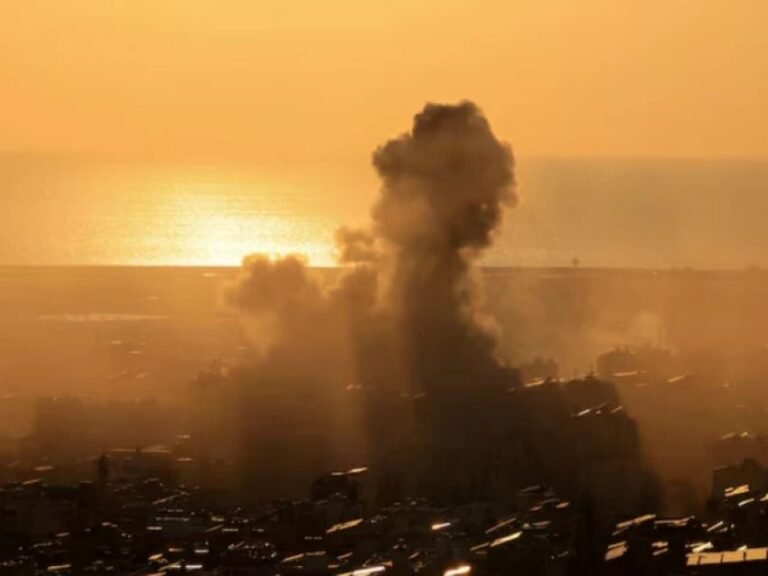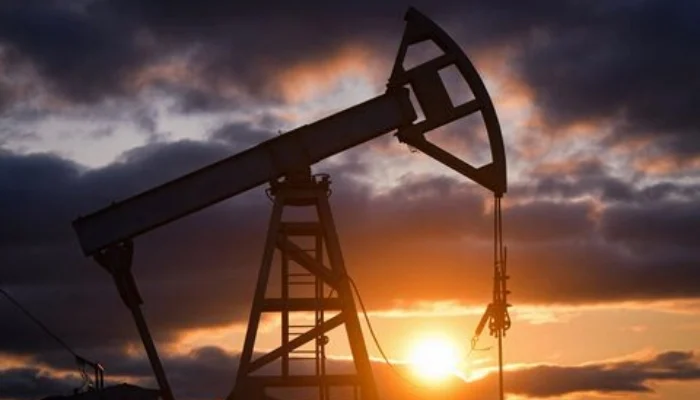
Tehran (TDI): Tensions across the Gulf escalated sharply on Wednesday as military exchanges between Iran and US forces intensified, while diplomatic efforts to revive negotiations remained stalled. The renewed flare-up pushed oil prices higher amid growing concerns over regional stability and energy security.
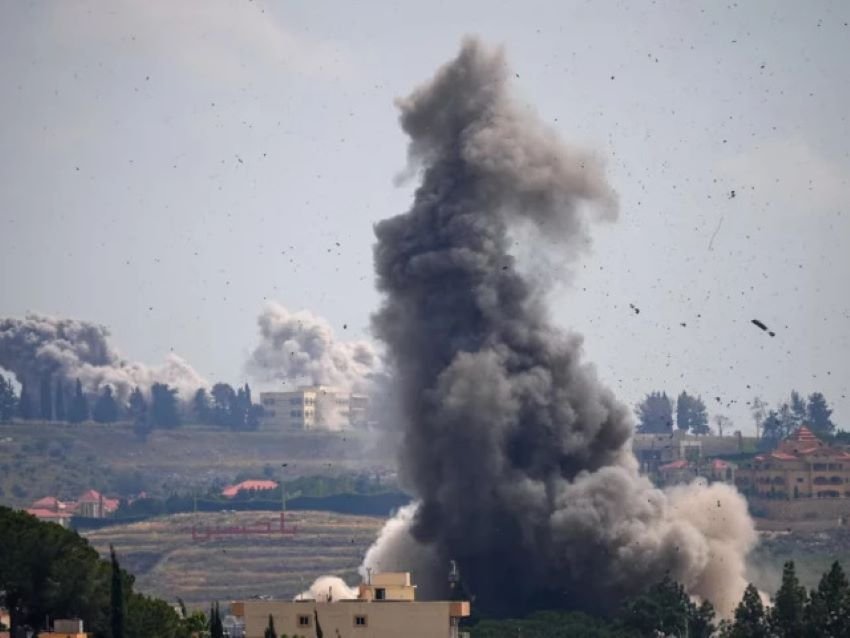
US Central Command said Iranian missile and drone attacks targeting Bahrain, Kuwait, and other regional sites were either intercepted or failed to reach their targets. According to the statement, two missiles aimed at Kuwait broke apart or fell short of impact, while three missiles directed toward Bahrain were intercepted. Several other ballistic missiles reportedly malfunctioned mid-flight.
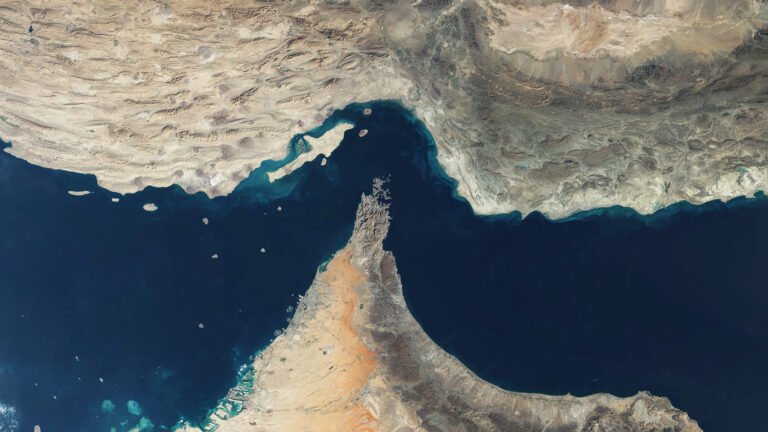
The US military also said it intercepted drones targeting naval vessels and US positions in Kuwait, and carried out retaliatory strikes on Iran’s Qeshm Island near the Strait of Hormuz following attempted Iranian attacks.
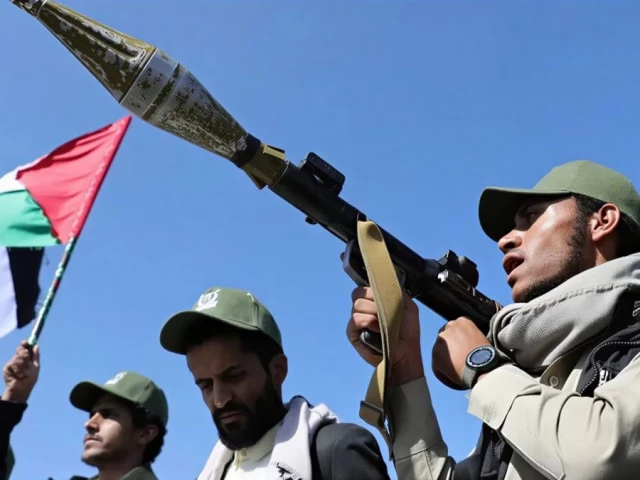
Iranian state media, however, reported a different version of events, claiming that the Islamic Revolutionary Guard Corps (IRGC) had targeted US military assets in Bahrain, including the Fifth Fleet headquarters, as well as other installations in the region using missiles and drones. The IRGC described the strikes as retaliation for what it said was a US attack on an Iranian communications site near Qeshm.
Read More: Iran Calls on UNSC for Enforceable Measures Over Israel Actions
US Central Command maintained that all incoming attacks were neutralized and that American forces remained prepared for further escalation.
The latest exchange adds to more than three months of sustained instability following earlier US and Israeli strikes in Iran. Since then, both sides have engaged in periodic retaliation, while the Strait of Hormuz has seen significant disruption to maritime traffic, contributing to volatility in global energy markets.
Oil prices rose by more than 1 percent in early trading on Wednesday as investors reacted to the renewed tensions and the lack of progress in US–Iran negotiations.
Despite the escalation, US President Donald Trump said diplomatic channels with Tehran remained active, insisting that discussions had continued even in recent days. Iranian media, however, reported a pause in direct communication with Washington, underscoring the uncertainty surrounding the talks.
Read More: Iranian Strikes Damaged 20 US Military Sites: Report
Trump has repeatedly suggested that a broader agreement to end the conflict could be within reach, including provisions related to Iran’s nuclear program and regional security arrangements. Iran, for its part, maintains that its nuclear activities are peaceful and continues to demand sanctions relief and greater control over oil exports and strategic waterways.
US Secretary of State Marco Rubio told lawmakers that sanctions relief would only be considered if Iran agreed to fully abandon nuclear-related activities, while also asserting that the conflict itself had effectively reached its end state, a claim disputed by several US lawmakers.