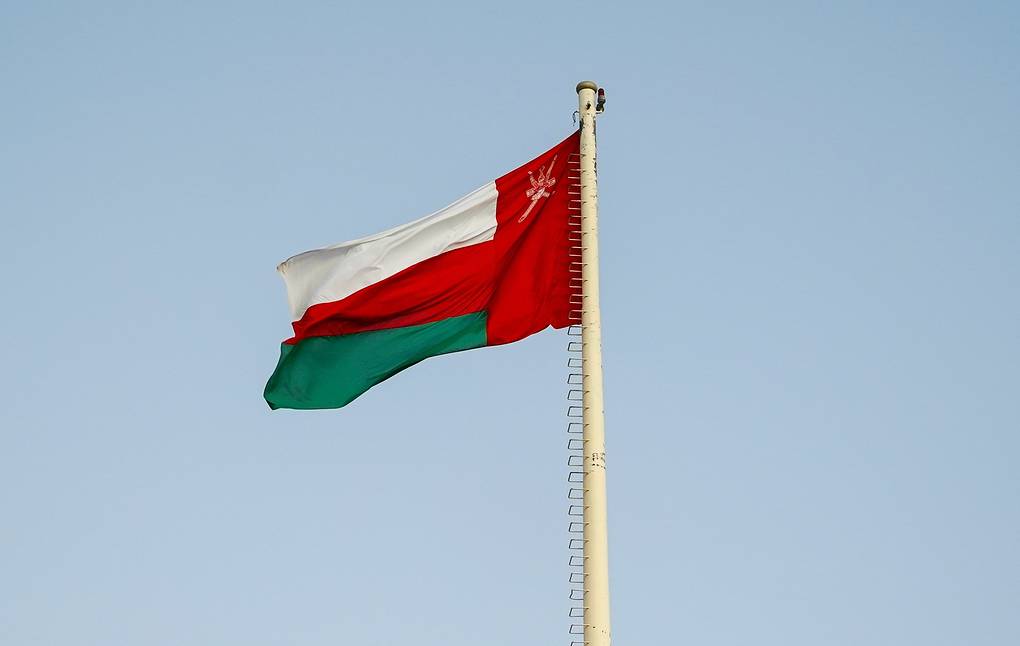
Oman has postponed a planned regional meeting on the future of shipping through the Strait of Hormuz, as differences remain over how a new maritime arrangement should work and what role Iran should have in managing the waterway.
The meeting was expected to bring together Iran and Gulf Arab states to discuss the proposal being developed by Tehran and Muscat, but Omani Foreign Minister Badr Albusaidi said the gathering had been delayed in the interest of building greater consensus.
The postponement is important because the Iran-Oman proposal had started to look like one of the few practical ways of easing the continuing crisis around Hormuz.
Technical discussions have already focused on possible navigation routes and the movement of commercial vessels through the strait, but agreement between Tehran and Muscat is only one part of the process.
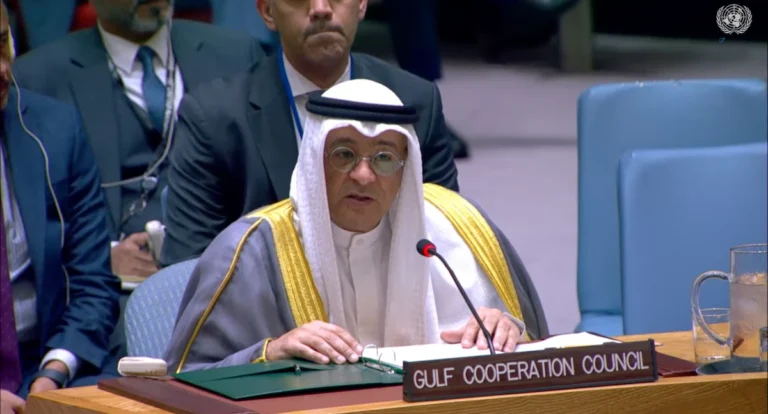
Gulf states also need to be comfortable with any arrangement that affects their energy exports, commercial shipping and wider security. Some governments remain cautious about giving Iran a more formal role in regulating or overseeing passage through a waterway that is central not only to the Gulf but to the global economy.
Read More: Iran, Oman Discuss Temporary Navigation Corridor in Strait of Hormuz
For Oman, this creates a difficult diplomatic balance. Muscat has maintained working relations with Iran while also remaining closely connected to the wider Gulf security architecture.
Its role has therefore been useful in keeping technical and political discussions moving when direct agreement between other actors has been difficult. But any lasting arrangement for Hormuz will eventually need support beyond Oman and Iran.
Saudi Arabia, the UAE, Qatar and other Gulf states all have different relationships with Tehran and different calculations when it comes to maritime security.
The delay does not necessarily mean the talks have failed. In some ways, postponing the meeting may allow more time for governments to narrow their differences before they sit down together.
But it does show that the Hormuz issue has moved beyond a simple US-Iran confrontation. The question now is whether Gulf states themselves can agree on what a workable maritime arrangement should look like and how much influence Iran should be allowed to exercise over it.
For shipping companies, insurers and energy exporters, this matters just as much as any political agreement. A route may exist on paper, but it will only work if the states around the strait trust it enough to use it. Oman can continue to mediate, but reopening Hormuz in a sustainable way may now depend on building a common Gulf position first.

Anoush Taimur is an International Relations graduate from DHA Suffa University, Karachi, currently based in Doha. Her research interests include Gulf politics, small-state diplomacy, Global South studies and conflict
mediation. Her work examines how states create influence through connectivity, institutions and strategic relationships. She can be reached at [email protected]