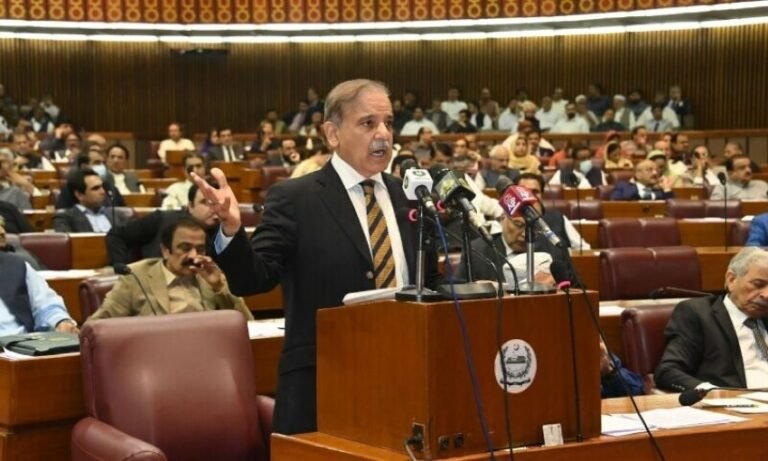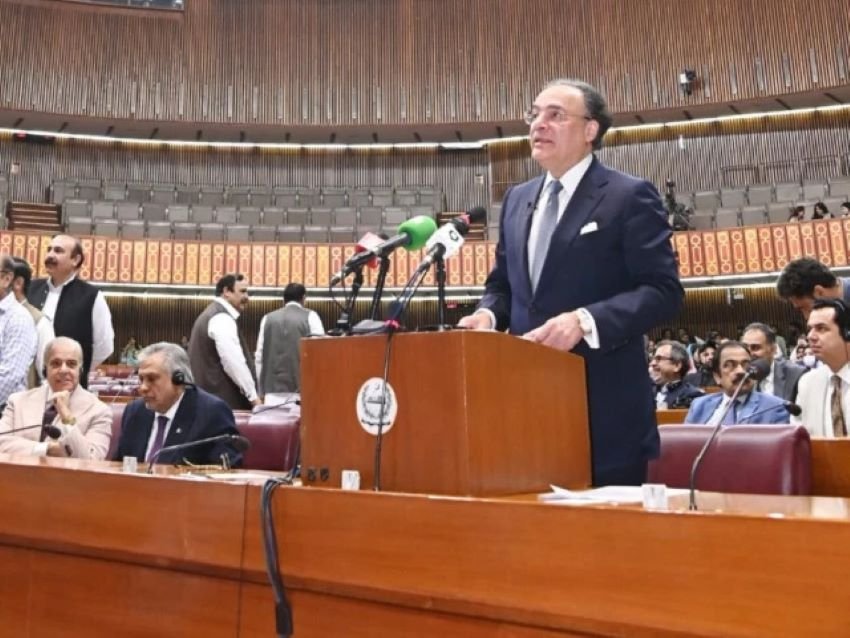
Islamabad (TDI): The federal government on Friday presented a Rs18.8 trillion expansionary budget for the upcoming fiscal year, marking a 20% increase over the revised estimates of the previous year. Finance Minister Muhammad Aurangzeb announced the budget amid expectations of a shift from fiscal consolidation toward growth-oriented spending.
The budget is supported by more than Rs1 trillion in provincial contributions for the first time, while the government has projected a federal deficit of around Rs7 trillion, to be financed largely through domestic and external borrowing.
The government expects $23.4 billion in foreign loans, including $2 billion through Eurobond and Panda bond issuances. The budget proposes significant relief for the salaried class and the real estate sector, while also easing the corporate tax burden. Super tax has been abolished for income up to Rs500 million and reduced to 8% for higher brackets, although it remains at 10% for banks, fertilizer, and oil sector companies.
The salaried class is expected to receive Rs52 billion in tax relief, while the real estate sector has been granted Rs115 billion in concessions. At the same time, the government has introduced new tax measures worth Rs306 billion and enforcement actions worth Rs354 billion to meet revenue targets.
A 5% tax has also been imposed on income from social media platforms, alongside stricter rules barring major asset purchases without declared income sources.
The Federal Board of Revenue (FBR) has been assigned a tax target of Rs15.264 trillion, with the overall revenue target set at Rs20.6 trillion including non-tax income. However, analysts note that the tax-to-GDP ratio is expected to remain around 10.5%, indicating continued structural challenges in revenue generation.
Read More: Pakistan, IMF Agree to Tighten Monetary Policy Ahead of FY2026-27 Budget
More than 43% of the total budget is allocated to interest payments, while pensions, subsidies, and administrative costs consume a large share of remaining resources. Development spending is limited to around Rs1 trillion.
Defense spending has been set at approximately Rs3 trillion, reflecting increased security concerns, particularly in relation to regional tensions. Additional allocations include military pensions and armed forces development programs.
The budget also includes increased funding for infrastructure and water sector projects, which the government links to national security and regional water disputes.
Read More: Aurangzeb, IMF Mission Discuss Budget Planning and Reform Progress
For the first time, three provinces have contributed over Rs1 trillion collectively in grants linked to revenue targets. Punjab, Sindh, and Khyber Pakhtunkhwa will receive significant shares under the National Finance Commission award, though part of these funds will be returned to the federal government under the new arrangement.
Discussions with the International Monetary Fund (IMF) are ongoing regarding tax concessions, particularly in the property sector, where the Fund has expressed reservations.