Luxembourg (TDI): On Monday, the European Union convened foreign ministers and representatives from its member states, as well as countries from the Black Sea region, the South Caucasus, and Central Asia, to strengthen cross-regional cooperation under its Connectivity Agenda.
The meeting brought together Armenia, Azerbaijan, Moldova, Türkiye, Ukraine, and the Central Asian nations of Kazakhstan, Kyrgyzstan, Tajikistan, Turkmenistan, and Uzbekistan.
The focus was on boosting trade, socio-economic development, and resilience by enhancing transport, energy, digital infrastructure, sustainability, and green transition.
Key EU officials, including High Representative Kaja Kallas, Commissioner for Enlargement Marta Kos, and Commissioner for International Partnerships Jozef Síkela, led the discussions.
They outlined a vision to build a comprehensive coordination framework linking the EU with Central Asia via Türkiye and the South Caucasus.
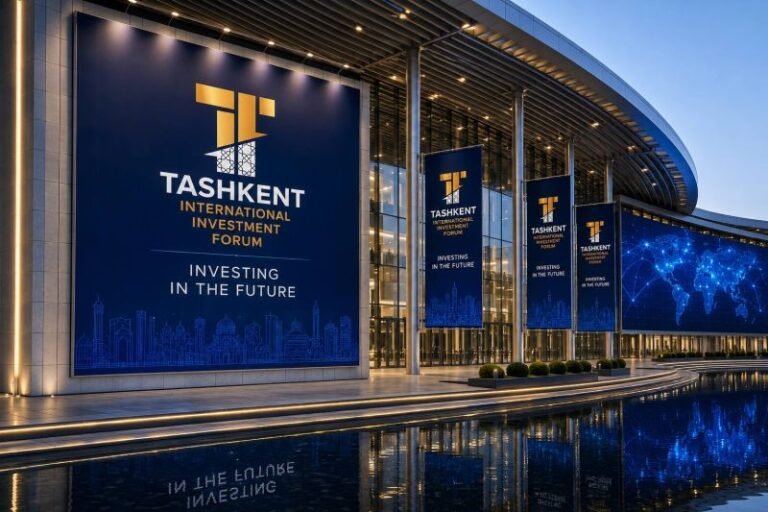
The EU committed to present this framework at the upcoming Investors and Connectivity Forum in Tashkent on 27 November 2025.
The proposed structure will involve participating countries, international financial institutions, private investors, and other stakeholders, aiming to foster investment in key infrastructure corridors and connectivity projects.
Read More: Uzbekistan Rises as Eurasia’s Investment Hub
Security concerns were also high on the agenda. With the ongoing war in Ukraine casting a long shadow over the region, participants acknowledged the strategic importance of the Black Sea.
The EU reaffirmed its willingness to support regional maritime security, counter hybrid threats, assist with coast guard training, support demining efforts, and tackle the challenges posed by shadow fleets operating in the area.
Kaja Kallas cited growing military threats, navigation risks, and cyber disruptions as collective challenges that demand a coordinated regional response.
The meeting was part of a broader EU push to deepen ties with neighboring and regional partners, not only to support stability but also to diversify trade routes, reduce dependencies, and align with climate and digital goals.
For partner countries, it presented a chance to access EU funding and technical support while integrating more closely with European markets and standards.
The group agreed to meet again in one year to assess progress and plan further cooperation. For now, all eyes turn to the Tashkent forum, where the EU’s vision will be tested in terms of its practicality, financing, and ability to deliver real results on the ground.

Established in December 2008, The Diplomatic Insight is Pakistan’s premier diplomacy and foreign affairs magazine, available in both digital and print formats.