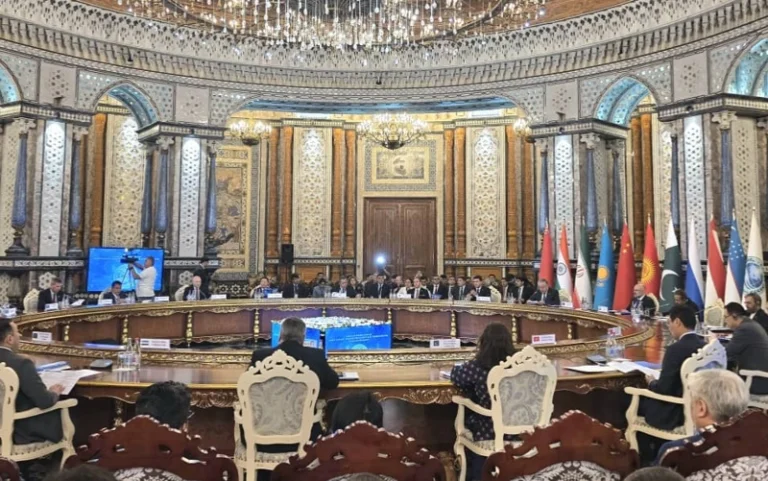
Astana (TDI): The XL meeting of the Organization for Cooperation between Railways Conference of General Directors (OSJD) has officially opened in Kazakhstan’s capital, bringing together top railway officials from across Europe and Asia.
This year’s gathering carries added significance as OSJD marks its 70th anniversary, highlighting decades of cooperation in building and modernizing international rail systems.
Established in 1956, the organization has played a central role in developing a unified legal framework for rail transport while strengthening the competitiveness of overland routes linking East and West.
Held in Astana, which sits at the heart of Eurasia, the meeting underscores Kazakhstan’s growing importance as a transit hub connecting major global markets.
The country sits at the crossroads of key transport corridors that facilitate trade between Asia and Europe, making it an ideal host for discussions on the future of railway cooperation.
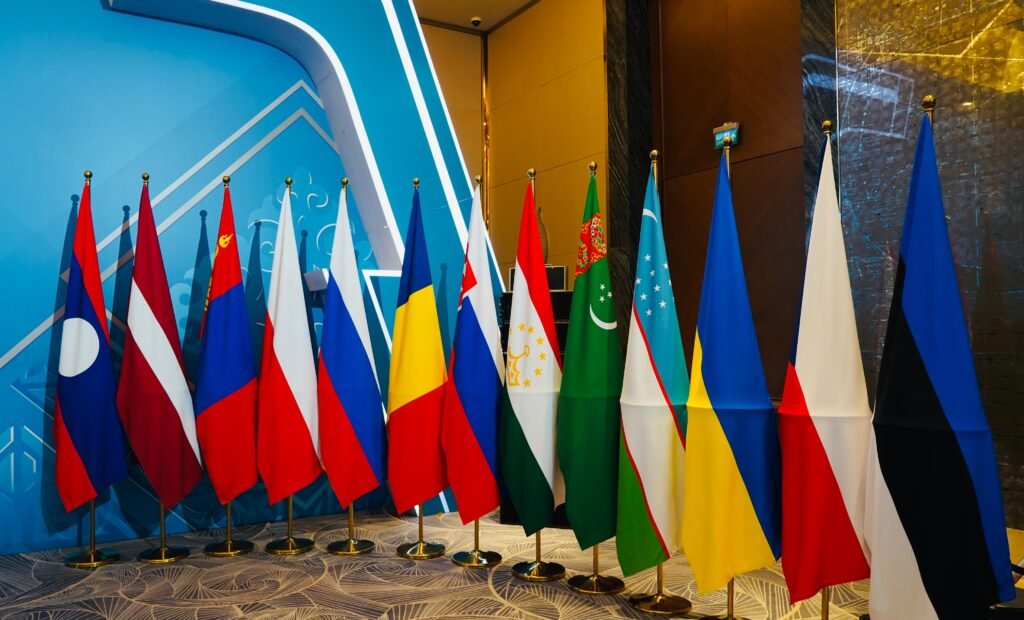
The conference has drawn representatives from around 30 countries, including China, Russia, Hungary, Vietnam, Azerbaijan, Poland, Estonia, Armenia, Georgia, and South Korea.
Read More: From Landlocked to Land-linked: Pakistan as Eurasia’s Southern Springboard
Participants are engaging in high-level talks aimed at improving coordination across borders and enhancing the efficiency of rail networks spanning vast geographic regions.
Central to the agenda are issues such as the development of freight and passenger transportation, modernization of infrastructure, and the integration of digital technologies into railway systems.
Delegates are also addressing the synchronization of transport corridors; a critical step toward reducing transit times and increasing reliability for international shipments.
In addition, the meeting is focusing on workforce development, recognizing the need for skilled personnel to support increasingly complex and technology-driven railway operations.
The outcomes of the conference will shape OSJD’s work program for the coming period, outlining priorities for cooperation and investment.
As global trade patterns evolve and demand for efficient logistics continues to rise, the decisions made in Astana are likely to have lasting implications for the future of rail transport across Eurasia.