ASEAN member countries are encouraging the strengthening of regional energy resilience cooperation through discussions on a joint oil reserve storage mechanism and the development of cross-border electricity networks.
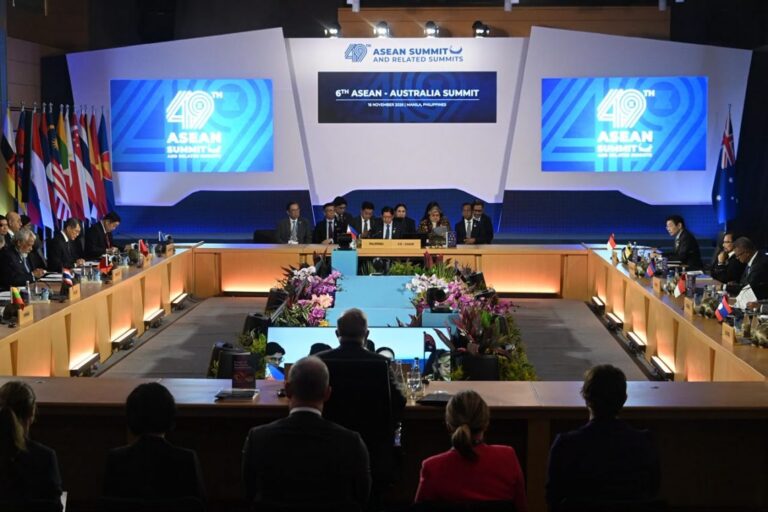
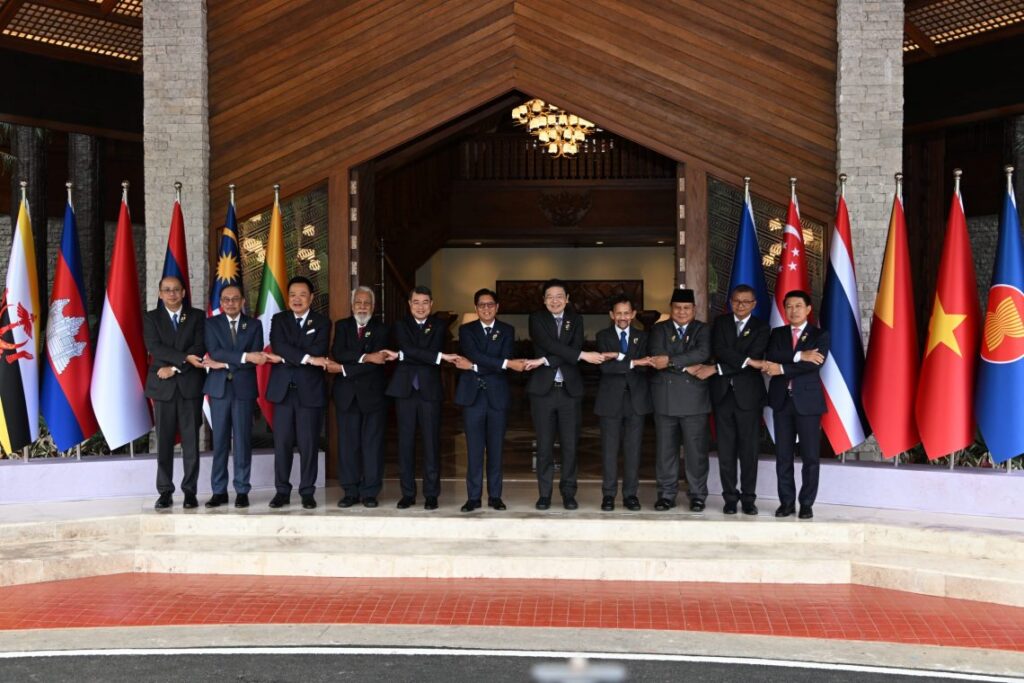
The initiative emerged during the series of the 49th ASEAN Summit in Manila, Philippines, amid global energy supply uncertainties and the impact of conflicts in the Middle East on the region’s economic stability.
On Monday, Philippines’ Trade Secretary, Cristina Roque, said that five countries have expressed their approval of the idea of regional oil reserve storage. The Philippines, Singapore, Indonesia, and Malaysia are among the countries mentioned as supporting the initiative.
Meanwhile, the United Arab Emirates also expressed interest in placing oil reserves in countries with adequate storage facilities.
According to Roque, the mechanism is expected to facilitate ASEAN countries in obtaining oil supplies when there are global distribution disruptions.
The utilization of storage facilities in the region also has the potential to reduce logistics costs and dependence on suppliers located far from Southeast Asia. Economic Research Institute for ASEAN and East Asia (ERIA) is scheduled to present the study results on the mechanism for further consideration.
In addition to regional oil reserves, ASEAN also strengthened electricity interconnection cooperation through the signing of the Enhanced Memorandum of Understanding on ASEAN Power Grid.
The agreement, signed by all ASEAN member countries, serves as the foundation for the development of cross-border electricity networks, including regional electricity trade and transmission infrastructure development.
ASEAN leaders also encouraged the acceleration of its implementation to enhance the reliability of the region’s energy supply.
At the plenary session of the 49th ASEAN Summit,, Philippines’ President Ferdinand Marcos Jr. emphasized the importance of diversifying energy sources, developing renewable energy, and enhancing regional energy connectivity.
These issues have become increasingly important considering the impact of the Middle East crisis on food security, energy prices, and economic activities in Southeast Asian countries.
Meanwhile, a series of meetings on Monday also included the 29th ASEAN–China Summit attended by Chinese Premier Li Qiang.
In the meeting, the leaders reaffirmed their commitment to strengthening the ASEAN–China Comprehensive Strategic Partnership, including through the implementation of the ASEAN–China Plan of Action 2026–2030. Both sides also exchanged views on regional and international developments.
The 49th ASEAN Summit is ongoing until November 17 with an agenda of meetings with several dialogue partners, including the United States, China, Japan, India, South Korea, and Australia. On the last day, the Philippines is scheduled to hand over the ASEAN chairmanship to Singapore.
These various agendas demonstrate ASEAN’s efforts to strengthen collective resilience amid global geopolitical and economic uncertainties.

Iqbal Saputra
Iqbal Saputra is an International Relations graduate. His research focuses on Southeast Asia, ASEAN Security, and Indo-Pacific Studies.