Washington (TDI): A new report submitted to the US Congress has acknowledged that Pakistan gained a clear battlefield advantage over India during the four-day conflict in May, noting that Islamabad relied heavily on advanced Chinese weapons systems throughout the engagement.
According to the assessment, prepared by the US-China Economic and Security Review Commission, Pakistan used several Chinese-built platforms to shoot down Indian aircraft, including the French-made Rafale jets that India often presents as a technological edge over its neighbours.
The confrontation was triggered after India carried out strikes inside Pakistani territory, claiming it was responding to the deadly Pahalgam terrorist attack in IIOJK, where 26 people had been killed. New Delhi falsely accused Islamabad for the incident. Pakistan said Indian strikes targeted civilian areas and resulted in casualties among both residents and security personnel.
Read More: India to Launch $234M Drone Program After Pakistan Clash
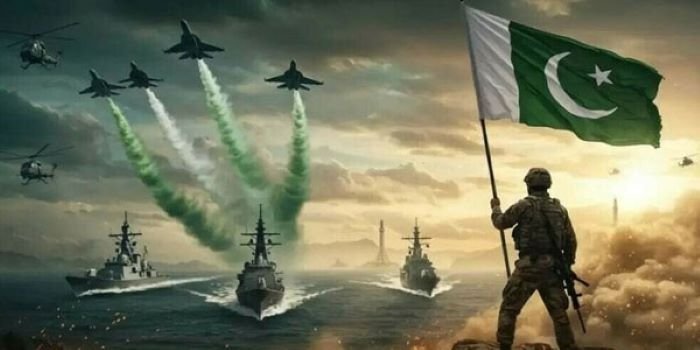
The US report highlights how the conflict became the first real test of a number of Chinese systems in active combat. Pakistan reportedly deployed the HQ-9 long-range air-defense system, PL-15 air-to-air missiles, and J-10C fighter jets, equipment supplied under its expanding defense partnership with Beijing. Islamabad claims that it downed seven Indian aircraft and dozens of drones during the exchange.
Citing these battlefield outcomes, the report states that China quickly moved to use the episode as a demonstration of its growing defense capabilities, offering Pakistan additional platforms soon after the conflict ended. These included 40 next-generation J-35 fighter jets, KJ-500 airborne early-warning aircraft, and ballistic missile defense assets.
The document also draws attention to the scale of the confrontation, noting that both nuclear-armed states struck targets deeper inside each other’s territory than at any time in the past five decades. Pakistan’s response, known as Operation Bunyan-um-Marsoos, reportedly targeted more than 20 Indian military sites across several regions.
Read More: Top Indian Defense Official Admits Loss of Jets in Clash with Pakistan
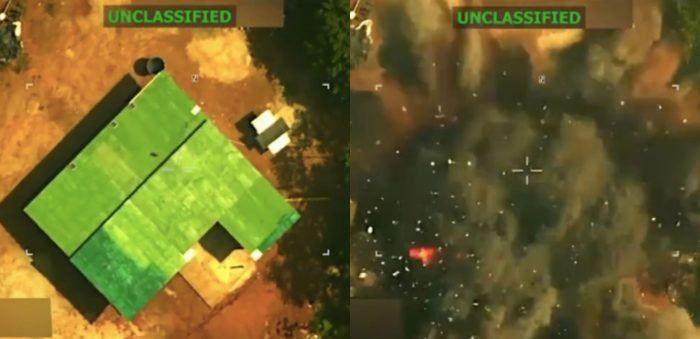
Pakistan’s Air Force also relied on its JF-17 Thunder jets, jointly produced with China, to destroy an Indian S-400 air-defense system in Adampur, using hypersonic missiles, according to Islamabad’s account.
The hostilities ended on May 10 after the United States stepped in to broker a ceasefire, bringing an abrupt halt to what had become one of the most dangerous escalations between the two countries in recent years.