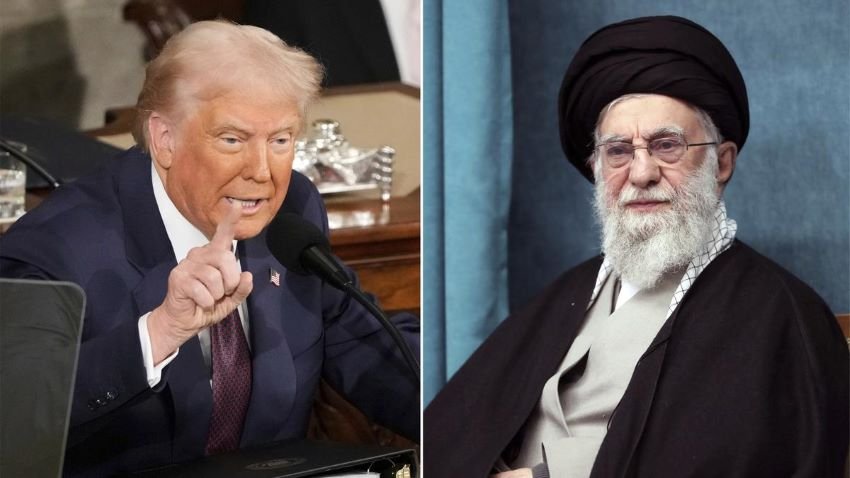
Islamabad (TDI): After days of uncertainty and conflicting signals, talks between Iran and the United States appear to be back on course, following last-minute diplomatic efforts by regional actors.
Iranian Foreign Minister Abbas Araghchi late Wednesday confirmed that negotiations with Washington would take place in Muscat on Friday morning. In a post on X, he said the talks were scheduled for around 10am and thanked Oman for facilitating the arrangements.
A US official also confirmed that preparations were moving ahead, Reuters reported, easing speculation that the negotiations had collapsed.
Doubts about the talks had surfaced earlier in the day after US news outlet Axios reported that discussions were on the verge of falling apart. According to the report, Washington had rejected Tehran’s request to change both the venue and format of the talks.
US officials were quoted as saying that while the request was briefly considered, it was ultimately turned down. “We told them it is this or nothing,” a senior US official said, adding that Iran initially appeared to walk away.
Read More: Iran Requests Venue Shift for US Talks Amid Gulf Tensions
However, Axios later reported that the talks were revived following urgent diplomatic outreach from several Middle Eastern countries. At least nine regional states reportedly contacted the White House at senior levels, pressing the Trump administration not to abandon the meeting.
The talks were reportedly salvaged after sustained lobbying by countries that had originally expected to take part in discussions planned for Turkiye, but were later excluded when the venue was shifted to Oman.
These countries, including Pakistan, Saudi Arabia and Turkiye, have a direct stake in preventing escalation, as any conflict involving Iran would have serious regional repercussions. Their intervention appears to have helped preserve a channel for dialogue and avoid a complete diplomatic breakdown.
Iranian officials, speaking from Tehran, indicated that regional participation was unlikely at this stage, though Qatar’s prime minister may still play a role alongside Omani mediators, Dawn reported.
Reports of a possible collapse gained traction after US Secretary of State Marco Rubio publicly stated that any engagement with Iran would need to cover not only its nuclear program, but also ballistic missiles, regional policies and internal governance.
Read More: Pakistan Invited to Join US–Iran Talks Aimed at Reducing Tensions
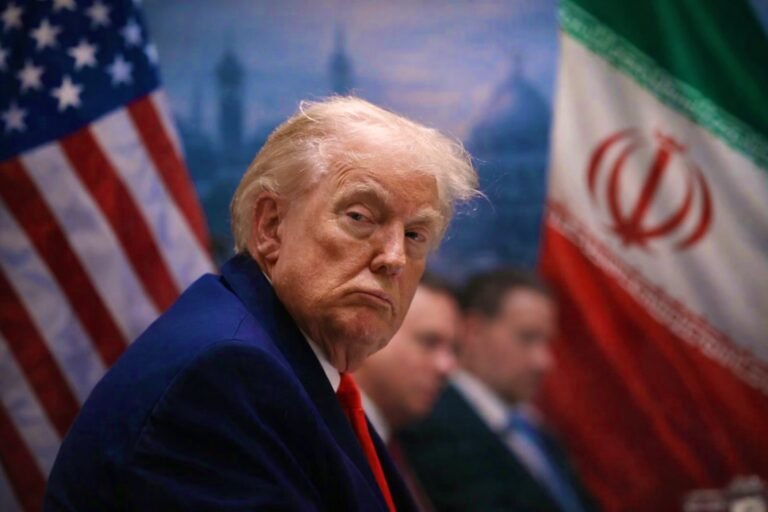
The remarks were widely seen as exposing divisions within the US administration. While President Donald Trump’s envoy, Steve Witkoff, has been exploring a narrower diplomatic opening, Rubio appeared to outline a far broader and more confrontational agenda.
For Tehran, this reinforced concerns that Washington was no longer interested in limited confidence-building measures. Iranian officials viewed the expanded scope not as a basis for talks, but as an attempt to extract upfront concessions.
A senior Iranian official later clarified that the upcoming talks would focus solely on Iran’s nuclear program, stressing that its missile capabilities were “not on the table”.